


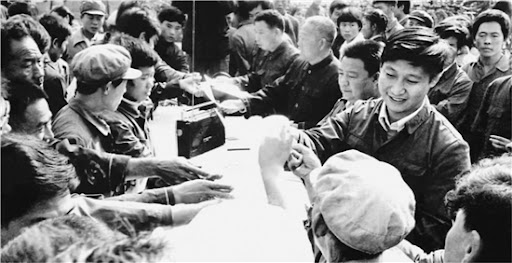
In 2026, China officially entered the 15th Five-Year Plan period. At the start of each planning cycle, amid profound global technological and industrial shifts, reflecting on the past and drawing lessons from history is essential. Over nearly fifty years of economic reform, two trajectories stand out: one began with the “household responsibility system” in Xiaogang Village, Anhui, solving basic food security; the other originated in Yuanqiao Township, Wuxi, Jiangsu, with the “One Contract, Three Reforms” initiative, which propelled rural industrialization and had a profound impact on Chinese modernization.
In Huishan District, Wuxi, the birthplace of the “One Contract, Three Reforms”, the echoes of that history are still vivid. By 1982, four years after Xiaogang Village implemented household contracting, the system was spreading nationwide. In Yuanqiao Township, 18 of 19 production teams contracted land to households, dramatically improving productivity, while the remaining team suffered crop losses due to heavy rains. This contrast prompted the township Party committee to consider whether reform could extend from the fields to factories.
With limited land and abundant labor, agriculture could not absorb all workers. Following the principle of “develop industry around agriculture, promote agriculture through industry,” Yuanqiao Township pioneered collective enterprises. Initially focused on repairing machinery and producing small components, they soon expanded into textiles, chemicals, and machinery. However, these enterprises still operated under agricultural-style management: leaders appointed from above, workers paid equally regardless of effort, and minimal accountability, which stifled vitality. Inspired by a successful individual enterprise contract the previous year, the township explored the idea of factory director responsibility systems.
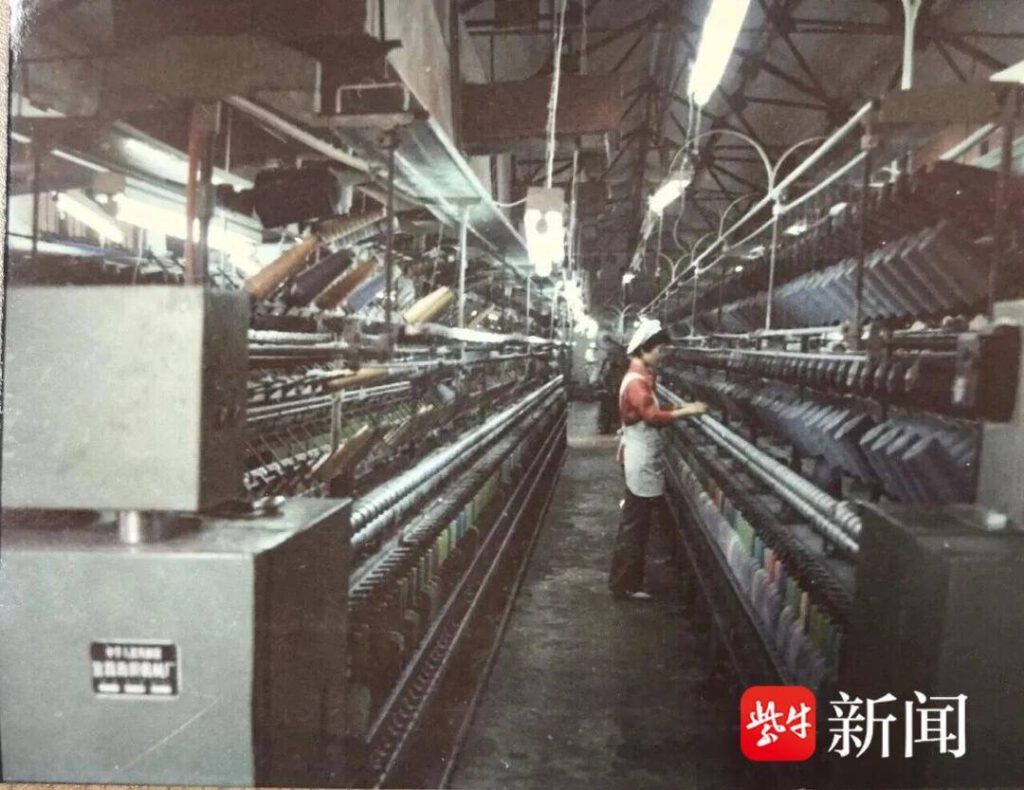
A struggling clothing factory became a pilot for a “fixed profit submission, flexible bonus” system. Factory director Yang Hanbin implemented piece-rate work and performance-based pay, turning the factory profitable within a month. The model extended to other factories, and by March 1983, Yuanqiao Township officially launched the “One Contract, Three Reforms.”
The “One Contract” referred to fully contracting enterprises with specific performance targets, including profits and other economic indicators. Contracts could be signed by an individual, a small team, or the management collectively, selected through self-nomination, appointment, bidding, and democratic election. The “Three Reforms” included: first, replacing the enterprise leader appointment system with a selection-based system; second, replacing fixed worker recruitment with contract-based employment; and third, replacing fixed wages with flexible pay. The reforms immediately activated the local economy, with total agricultural and industrial output in the township rising 74% that year.
The essence of the “One Contract, Three Reforms” was decentralizing management and profit rights to enterprises and workers, aligning responsibilities with rewards, and enabling those capable to benefit. It sparked the rise of southern Jiangsu township enterprises and provided lessons for broader economic reforms. This success relied on individuals: supply chain workers traveled nationwide to secure orders, enduring hardship and forging a resilient spirit; young managers and technical personnel proactively learned modern management practices, invited experts, and solved technical problems, enabling enterprises to survive and grow.
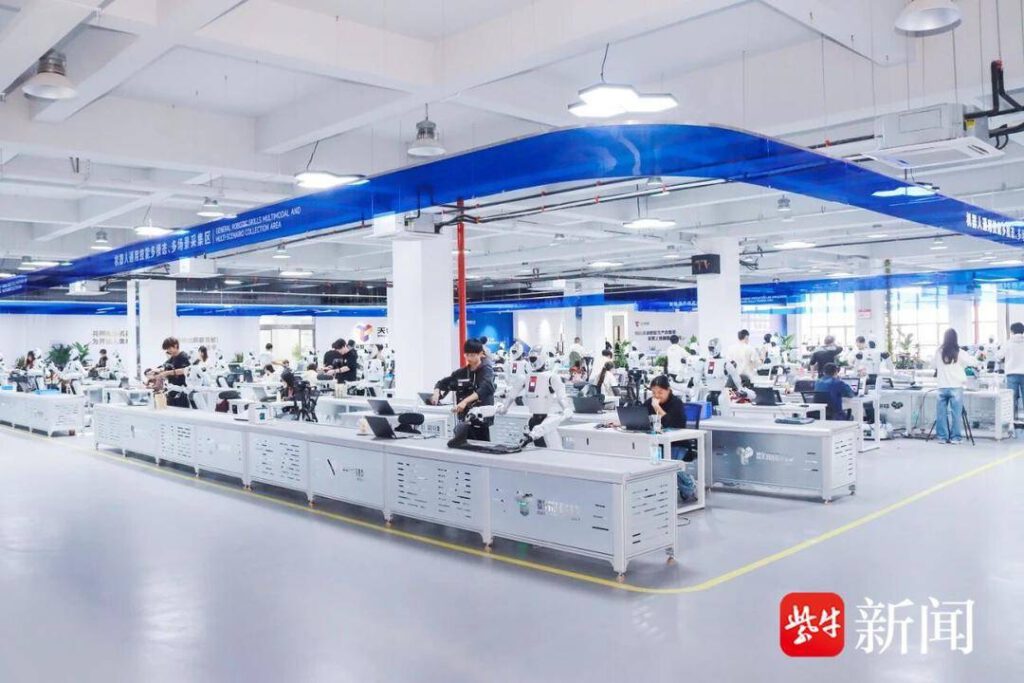
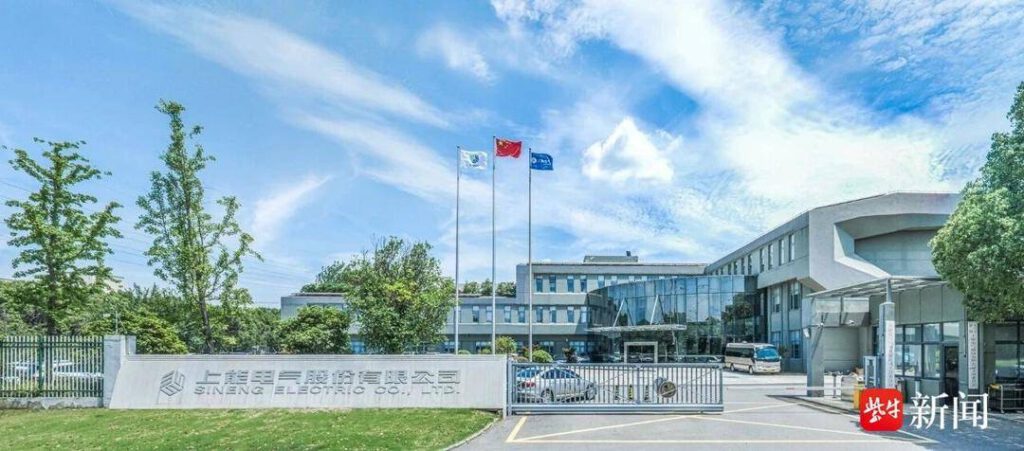
By the 1990s, township enterprises underwent property reforms, transforming from small workshops into leading, innovation-driven companies. China Conveyor, starting from three small houses, entered the automotive equipment sector and later expanded into new energy and embodied intelligent robotics. Si-neng specialized in power electronics and photovoltaic inverters, developing fully domestic solutions and achieving global competitiveness.
Local governments also evolved, fostering new energy, electronics, and biomedicine, strengthening traditional industries, and planning for future sectors such as AI, aerospace, humanoid robotics, and resource recycling. The manufacturing foundation, skilled workforce, and flexible networks from the township enterprise era allowed Huishan to become an industrial magnet, integrating traditional strengths with emerging sectors.
In aerospace, Wuxi Aerospace Industrial Park hosts 330 high-tech enterprises, achieving a 90% local supply rate for critical components within a 50-kilometer radius, forming a full-chain ecosystem. Smart equipment and new energy companies, including LAND SPACE, have emerged as industry leaders. With 1,102 high-tech enterprises and the industrial clusters plus specialized parks model, Huishan’s industrial landscape has matured.
Innovation extends beyond industry to research and talent aggregation. Huishan partnered with universities to establish research institutes, promoting targeted corporate R&D and technology transfer, forming an “academy corridor” that attracts top-tier talent. Financial mechanisms, including industrial mother funds, specialized funds, and virtual capital pools, provide comprehensive support. Functional zone and administrative reforms ensure efficient allocation of land, funds, and projects, enabling strategic development.
Reform has also reshaped urban functions and cultural heritage. The Huishan New City TOD project, high-speed rail hubs, and logistics networks integrate transportation, consumption, industry, and innovation. From the rise of township enterprises to high-tech innovation, and from industrial transformation to urban and cultural development, Huishan’s development genes remain continuous while evolving through practice.
Source: south reviews, wuxi gov, yzwb, our jiangsu