


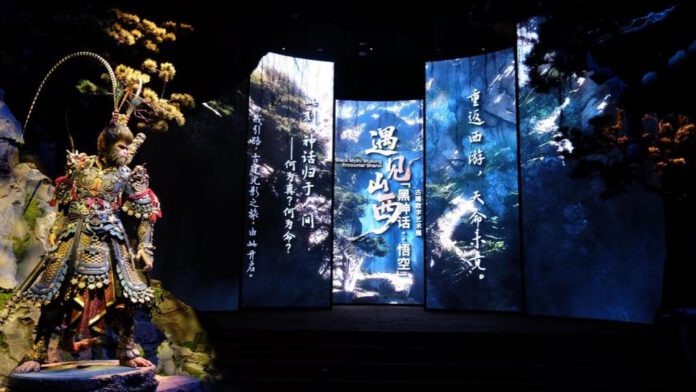
If a video game can reawaken the cultural memory of an entire region, then Black Myth: Wukong offers one of the most compelling recent examples. Built upon the narrative foundation of Journey to the West, the game transforms Chinese mythology into an explorable three-dimensional world. Within this virtual landscape, the visual and spatial logic is deeply rooted in real architectural and cultural heritage, most notably that of Shanxi Province, which serves as one of the most important sources of inspiration.
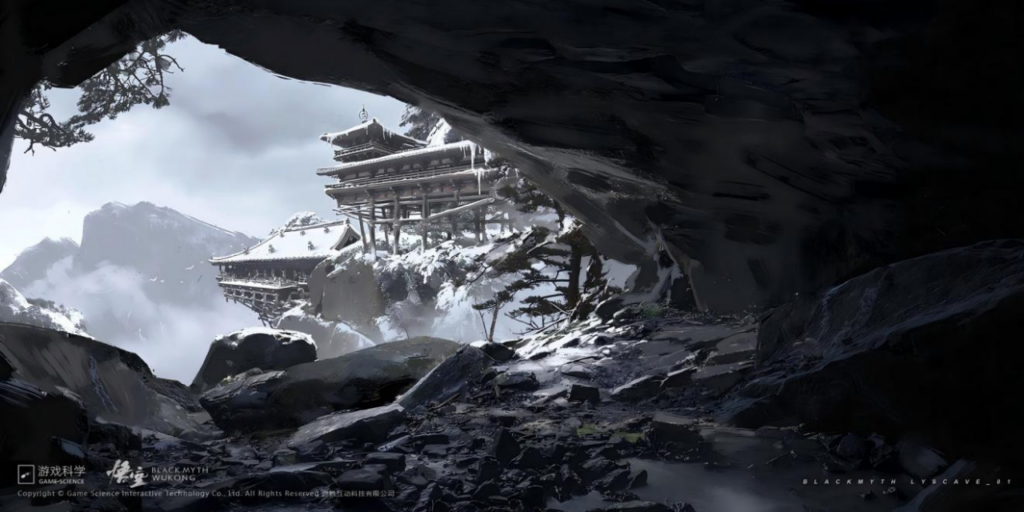
What makes Shanxi particularly significant is not simply the presence of historical landmarks, but the density and continuity of its ancient built environment. Across mountains, valleys, and rural settlements, Shanxi preserves one of the richest collections of ancient wooden architecture in China. This includes temple complexes, pagodas, grottoes, and vernacular structures that collectively form a living archive of Chinese architectural history. In Black Myth: Wukong, many of the game’s most striking spatial compositions: the layered rooflines, upward-curving eaves, dense bracket systems, and vertically compressed temple courtyards echo real architectural principles found in sites such as the Yungang Grottoes, the Mount Wutai, and the legendary Yingxian Wooden Pagoda.
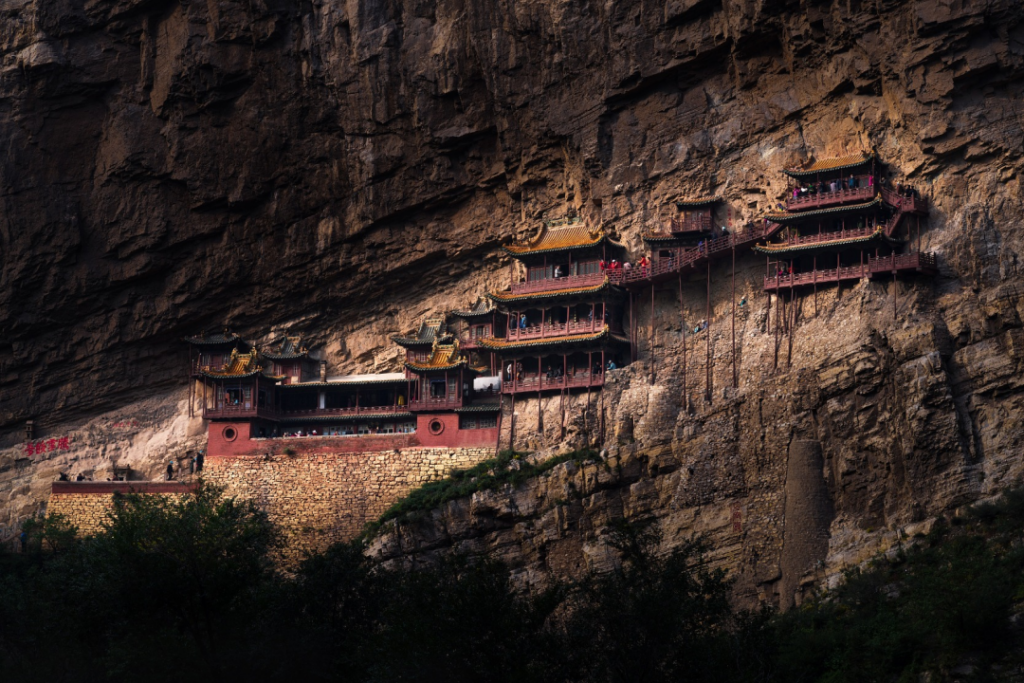
The game’s architectural imagination is particularly indebted to Shanxi’s wooden structural tradition. The complex bracket systems known as dougong, the rhythmic layering of beams and columns, and the characteristic sweeping roofs are not decorative inventions but translations of real structural logic developed over centuries. In temples such as the Foguang Temple, this system reaches a level of sophistication that blends engineering precision with aesthetic expression, creating buildings that feel simultaneously weighty and airborne. In the game, this duality becomes a key visual language, structures appear grounded in material reality while also possessing a mythic, otherworldly lightness.
Equally influential is Shanxi’s religious and sculptural heritage. Sites like the elaborate polychrome sculptures of Xixiaotian Temple (Xixiaotian Temple) and the vast mural program of the Yongle Palace (Yongle Palace) provide not only iconographic references but also a visual grammar of divinity, dense compositions of deities, ritual scenes, and cosmological order. These traditions help shape how the game constructs its own mythological spaces: not as abstract fantasy, but as systems rooted in historical religious aesthetics.
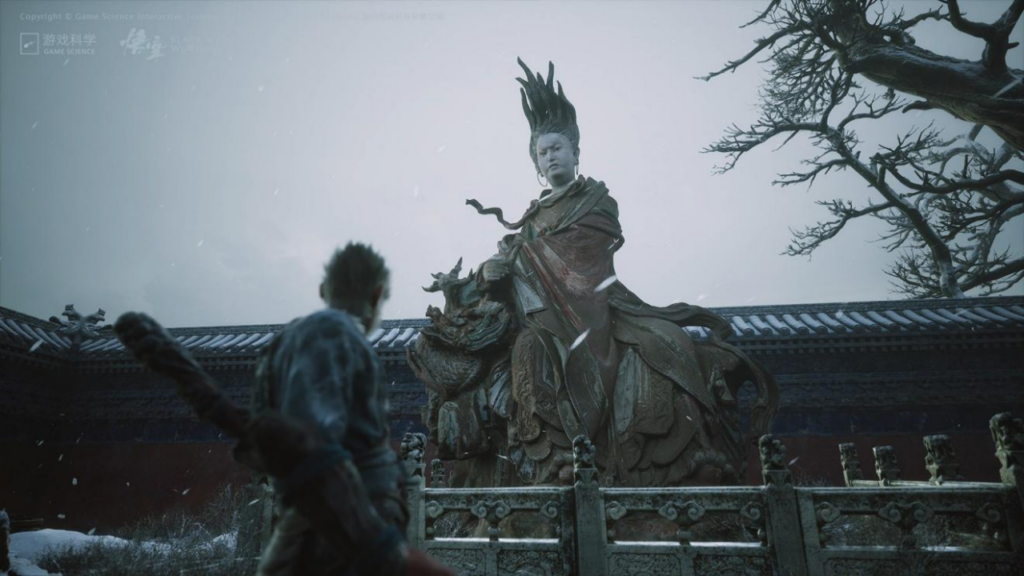
Through this interplay, Shanxi is no longer merely a backdrop or filming location. It functions as a cultural reservoir, a deep archive of spatial imagination that the game extracts, reinterprets, and reassembles. As players move through environments inspired by cliffs, temples, grottoes, and pagoda forests, they are not simply experiencing fictional design, but engaging with reconfigured echoes of real heritage landscapes.
This digital reinterpretation has had a broader cultural consequence. In recent years, Shanxi tourism has undergone a perceptible shift in how it is perceived and experienced. Visitors increasingly arrive not only as sightseers but as participants in a cultural narrative they have already encountered in digital form. The transition from virtual familiarity to physical encounter creates a layered form of recognition: ancient architecture is no longer passive scenery but something already “known,” yet waiting to be rediscovered in reality.
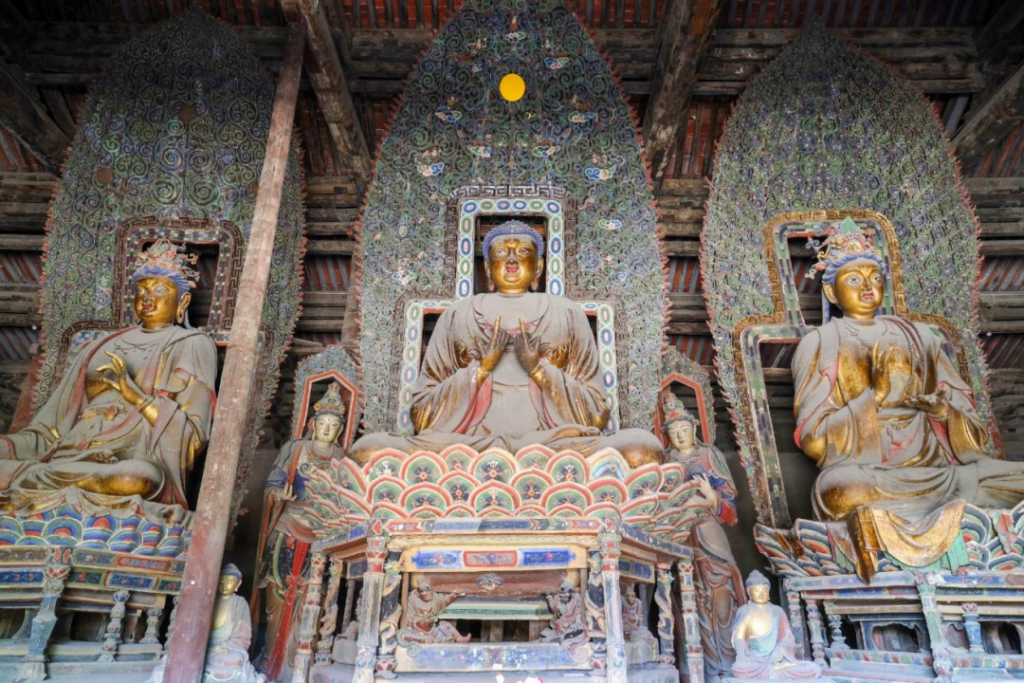
As a result, Shanxi’s cultural identity is gradually being reframed. Rather than being seen only as a repository of ancient relics, it is increasingly understood as a foundational landscape of Chinese architectural aesthetics and mythological imagination. Sites such as Yungang Grottoes, Mount Wutai, Yingxian Wooden Pagoda, and Foguang Temple are no longer isolated heritage points, but interconnected nodes within a larger cultural system, one that links religion, architecture, craftsmanship, and storytelling across centuries.
In this evolving perception, tourism in Shanxi is also changing in character. The emphasis is shifting from passive observation toward interpretive engagement. Ancient buildings are approached less as static objects and more as readable texts; landscapes are experienced not merely visually but narratively. This transformation reflects a broader trend in cultural tourism, where meaning and memory increasingly matter as much as physical presence.
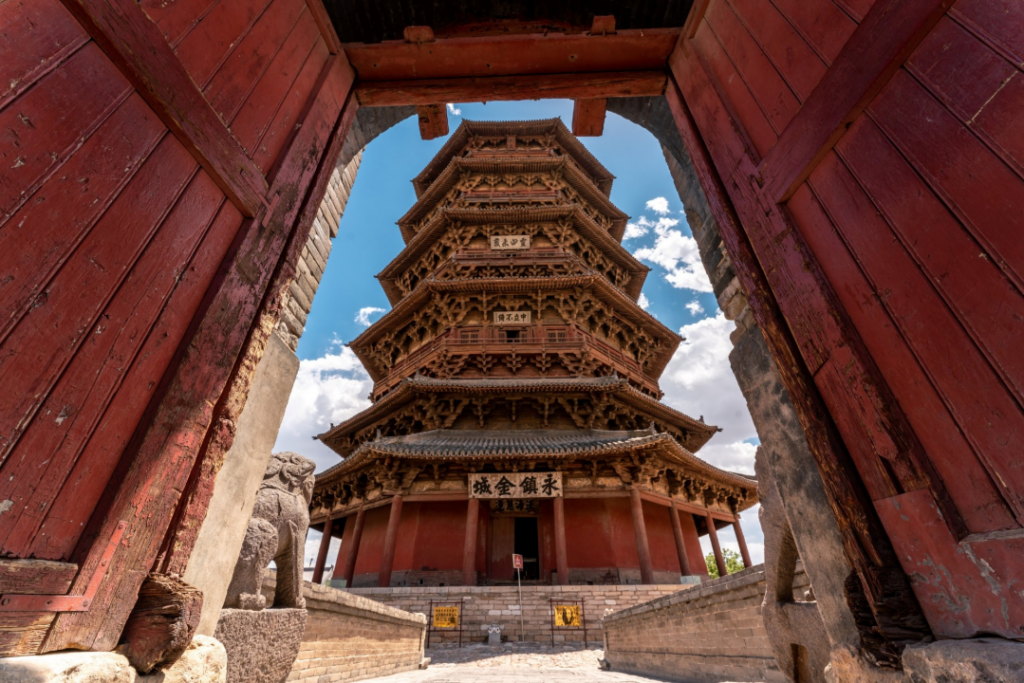
Ultimately, the significance of Black Myth: Wukong lies not only in its global success as a game, but in the cultural feedback loop it has helped reveal. Historical architecture provides the original template; digital media reconstructs and amplifies it; global circulation redistributes it; and, in turn, physical travel reactivates it. Within this loop, Shanxi emerges as a particularly powerful example of how heritage can move between reality and imagination without losing its depth.
What visitors encounter today in Shanxi is therefore not only a collection of ancient structures, nor merely the afterimage of a virtual world, but a layered cultural experience shaped by both. It is in this continuous dialogue between the real and the imagined that Shanxi’s architectural heritage gains renewed vitality and where its significance extends far beyond history into the evolving landscape of contemporary culture.
Source: shanhe tinktank, ourchinastory, china daily, xinhua, zijing