


Shanxi Province, located in northern China on the Loess Plateau, is widely regarded as one of the most important birthplaces of Chinese civilization. For many international visitors, Shanxi may not be as globally recognizable as cities like Beijing or Shanghai, yet it offers something equally valuable: a remarkably well-preserved window into traditional Chinese culture. Because so many ancient buildings, temples, and historical towns remain intact, Shanxi is often considered as an open-air museum of ancient China. Travelers who wish to understand the deeper roots of Chinese history, architecture, religion, and daily life will find Shanxi an ideal destination.
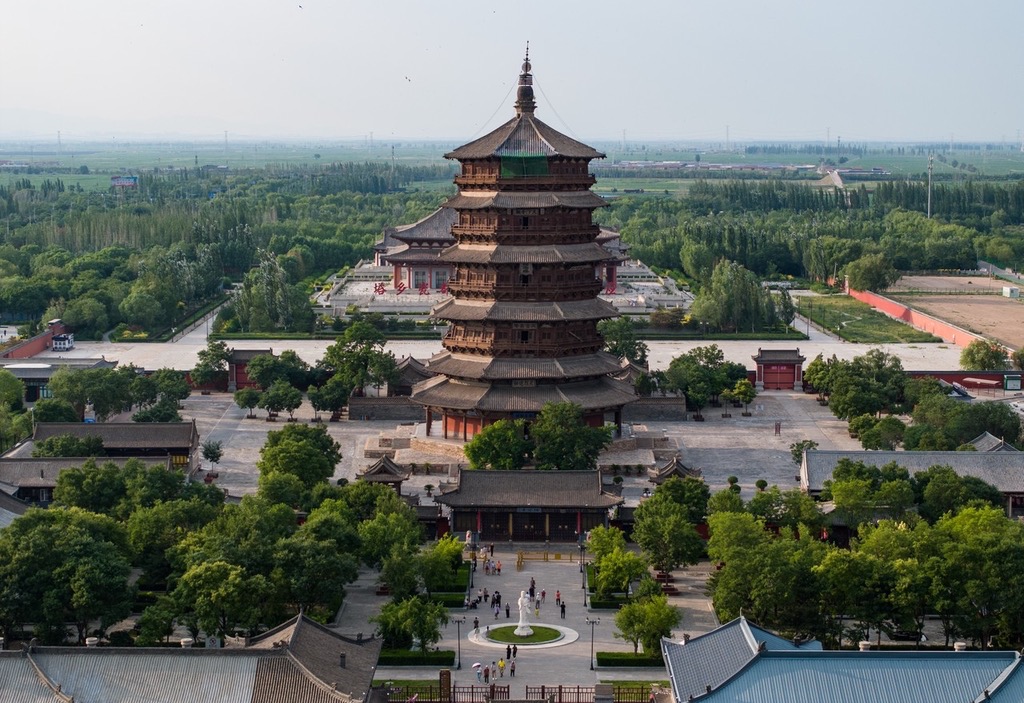
One of Shanxi’s most impressive characteristics is its extraordinary collection of ancient architecture. In fact, many of the oldest surviving wooden buildings in China are located in this province. A striking example is the Yingxian Wooden Pagoda, built in 1056 during the Liao Dynasty. It is the oldest and tallest surviving wooden pagoda in the world. Remarkably, the structure was constructed almost entirely without metal nails, relying instead on complex wooden joinery techniques developed by ancient Chinese craftsmen. Despite earthquakes and centuries of weathering, the tower has remained standing for nearly a thousand years, demonstrating the advanced engineering knowledge of traditional Chinese builders.
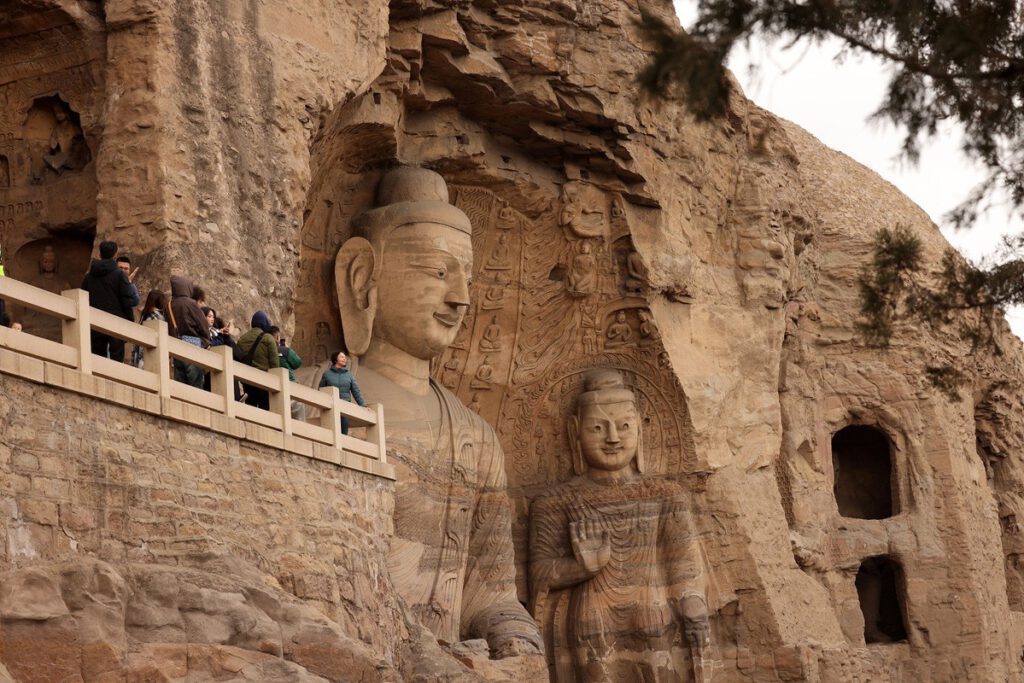
Another architectural and artistic treasure is the Yungang Grottoes in the city of Datong. Carved into sandstone cliffs during the 5th century, these grottoes contain tens of thousands of Buddhist statues and reliefs. The sculptures vary in size from small figures to giant Buddha statues several meters tall. The artistic style reflects a fascinating mixture of cultural influences, including Indian Buddhist art, Central Asian styles, and early Chinese aesthetics. Because of this cultural fusion, the site is considered an important historical record of the cultural exchanges that took place along the ancient Silk Road.
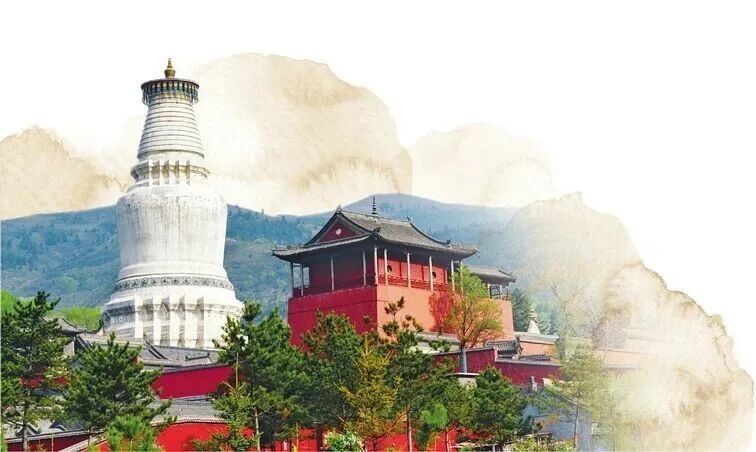
Religion has also played a significant role in shaping Shanxi’s cultural landscape. One of the most important religious sites in China is Mount Wutai, located in northern Shanxi. Known as one of the Four Sacred Mountains of Chinese Buddhism, it is traditionally believed to be the earthly residence of Manjusri, the Bodhisattva of Wisdom. The mountain area contains dozens of ancient temples, monasteries, and pilgrimage routes. Every year, Buddhist pilgrims from across China and other parts of Asia travel here to pray and meditate. The architecture found here reflects a combination of Han Chinese and Tibetan Buddhist traditions, making it a unique cultural and spiritual center.
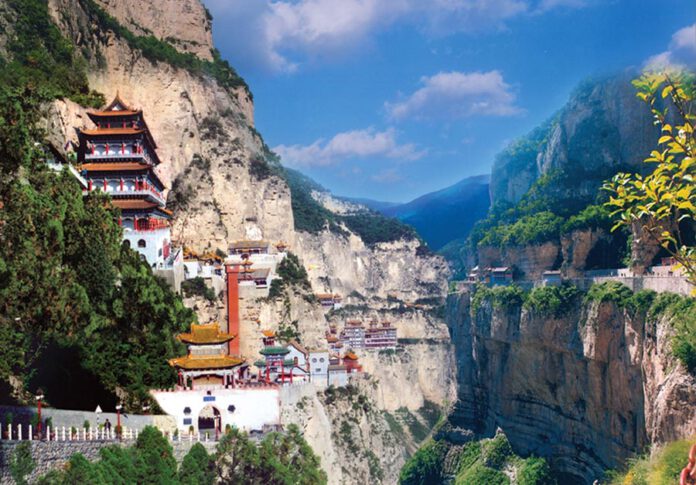
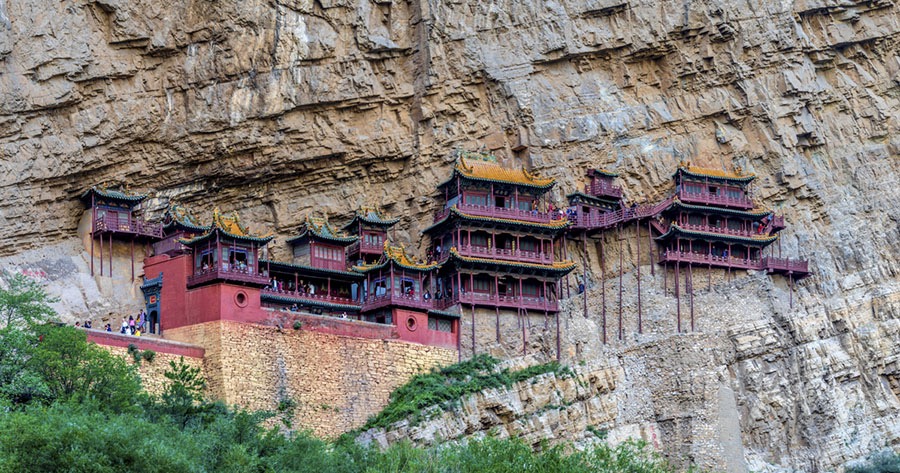
Not far from Mount Heng stands another remarkable structure, the Hanging Temple. Built into a vertical cliff face more than 1,500 years ago, this temple appears to float above the ground. Wooden pillars support the buildings, which cling to the rock wall in a dramatic and seemingly impossible position. The temple is particularly unique because it combines elements of three major Chinese philosophical traditions: Buddhism, Daoism, and Confucianism. This coexistence reflects the long-standing Chinese belief that different philosophies can harmoniously exist together.
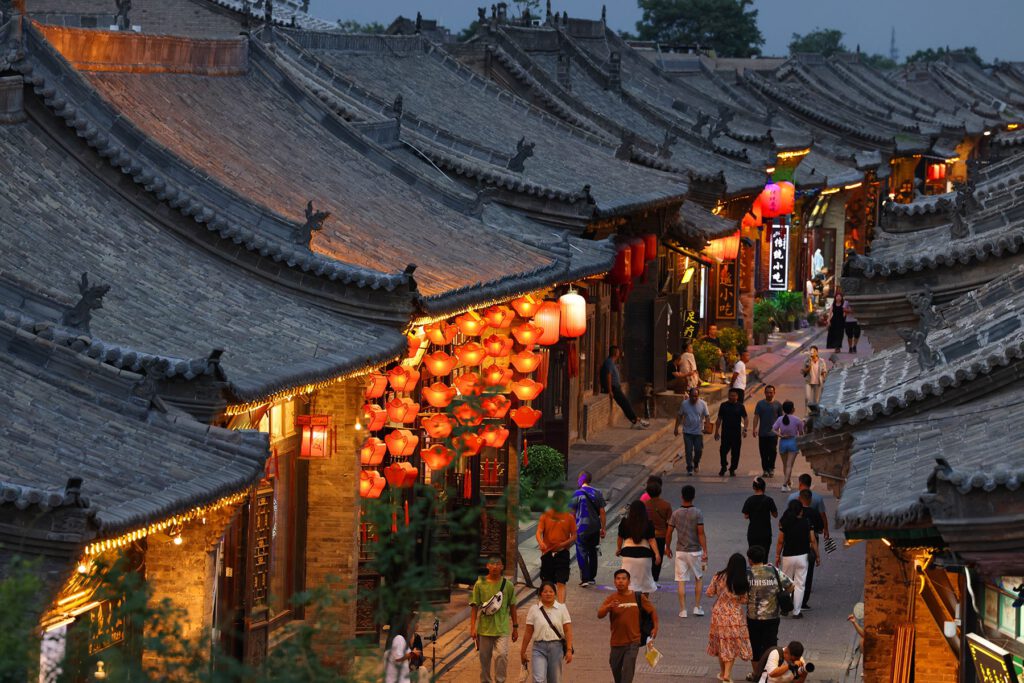
For visitors interested in urban history and traditional commerce, Pingyao Ancient City is one of the most fascinating destinations in China. This well-preserved city dates back more than 2,700 years and still retains its complete city walls, traditional streets, temples, and residential courtyards from the Ming and Qing dynasties. Walking through Pingyao feels like stepping back in time. The city was once the financial center of China during the 19th century. It was here that the earliest Chinese banking institutions, known as “piaohao,” were established. These early banks created a nationwide money-transfer network that supported merchants traveling across the country. Because of this financial innovation, Shanxi merchants, known as the Jin merchants, became one of the most powerful business groups in Chinese history.
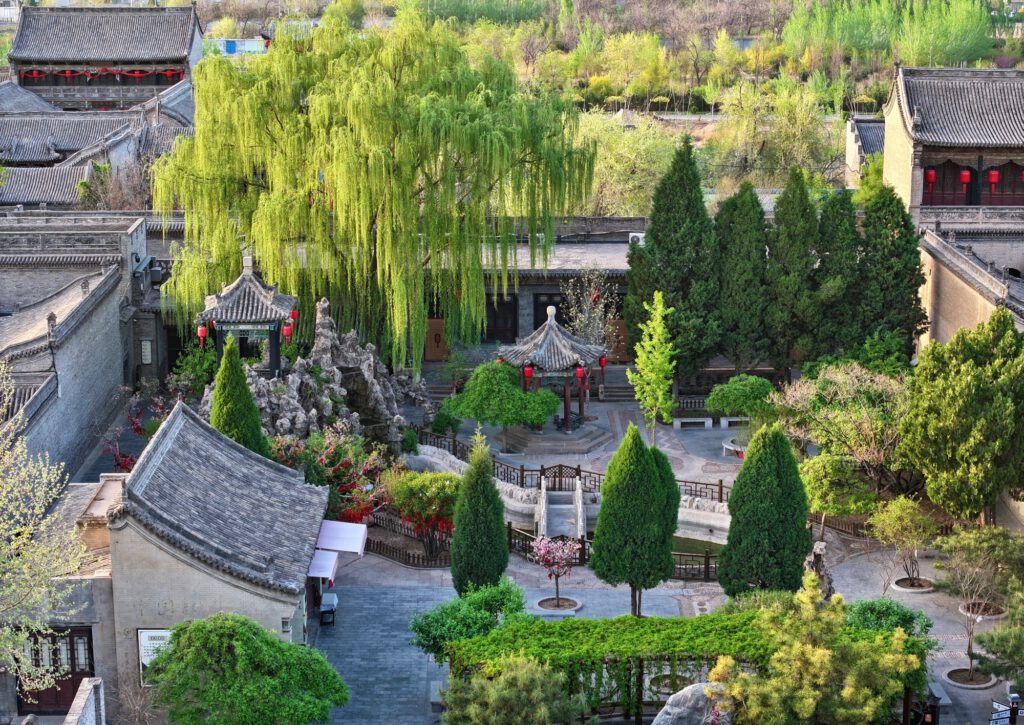
The wealth accumulated by these merchants can still be seen in the region’s famous courtyard mansions. Two of the most representative examples are the Qiao Family Compound and the Wang Family Compound. These large residential complexes consist of multiple interconnected courtyards arranged along strict symmetrical layouts. The architecture reflects the hierarchical structure of traditional Chinese families, where different generations and branches of the family lived in separate sections of the compound. Decorative carvings in brick, wood, and stone depict symbols of prosperity, moral teachings, and traditional stories. For many visitors, these mansions provide a vivid glimpse into the lifestyle and values of wealthy Chinese merchant families during the imperial era.
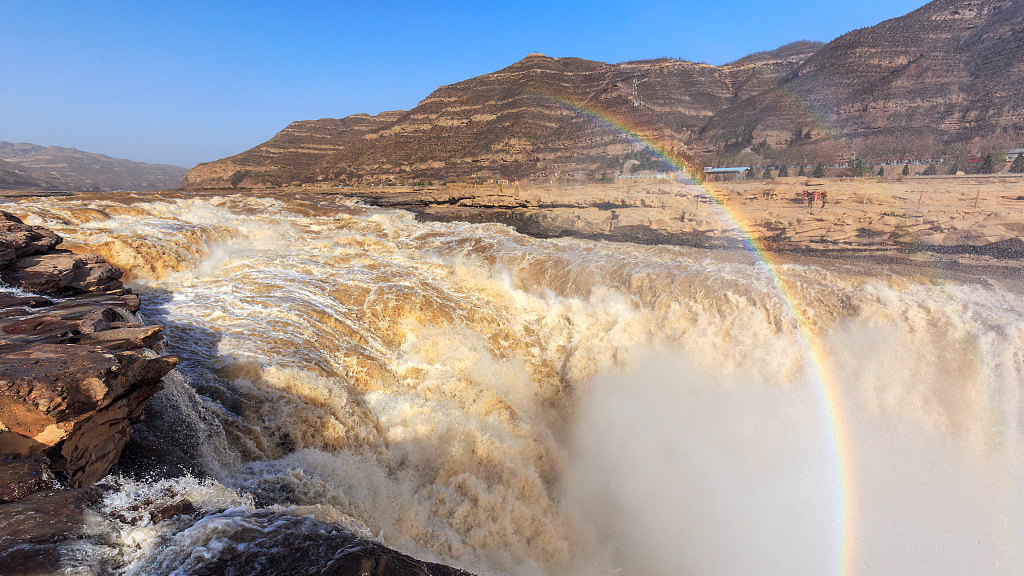
In addition to cultural heritage, Shanxi is home to dramatic natural landscapes. One of the most famous is the Hukou Waterfall, the largest waterfall on the Yellow River. Unlike many waterfalls that are known for their height, Hukou is famous for its immense power. The river suddenly narrows as it flows through a steep canyon, forcing massive volumes of water through a tight opening. The roaring sound and rising mist create a spectacular scene that many Chinese people associate with the strength and perseverance of the nation. Another natural landmark is Mount Heng, one of the Five Great Sacred Mountains of China. The mountain has long been a place for religious ceremonies and spiritual cultivation, as well as a strategic military location due to its rugged terrain.
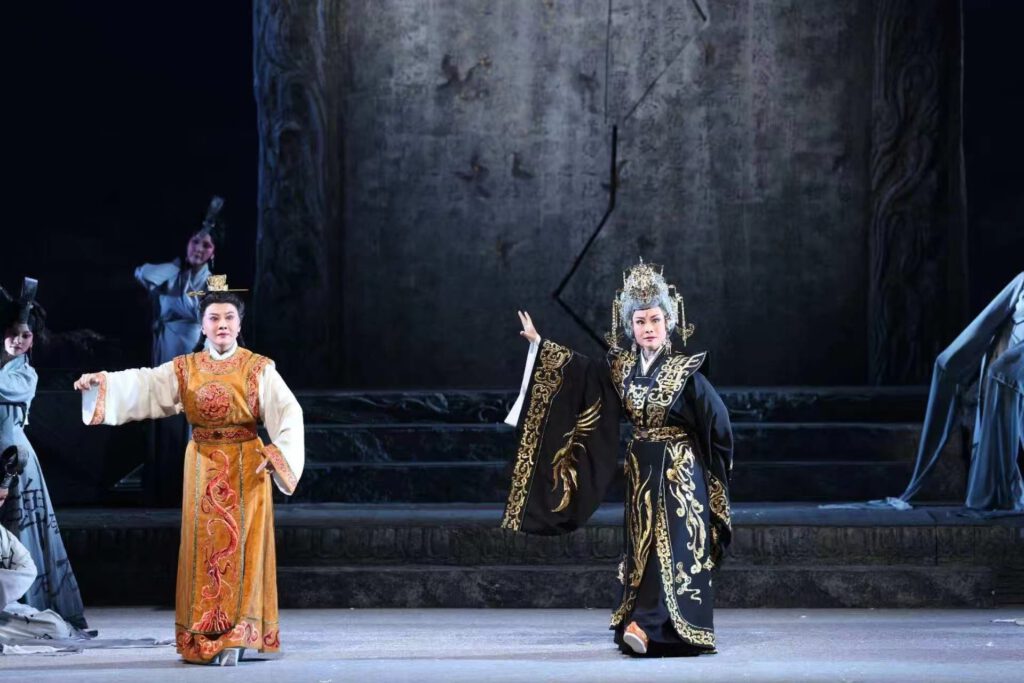
Shanxi’s cultural experience extends beyond architecture and landscapes to include vibrant folk traditions. The province is considered one of the birthplaces of Chinese opera. Local opera styles such as Jin Opera are still performed today, featuring elaborate costumes, distinctive vocal techniques, and stylized movements. Traditional festivals often include lively drum performances, lion dances, and community celebrations that reflect the region’s strong sense of cultural identity. Another important folk art is paper-cutting, a traditional handicraft widely practiced in rural areas. Intricate red paper designs are often displayed during festivals and weddings, symbolizing happiness, prosperity, and good fortune.
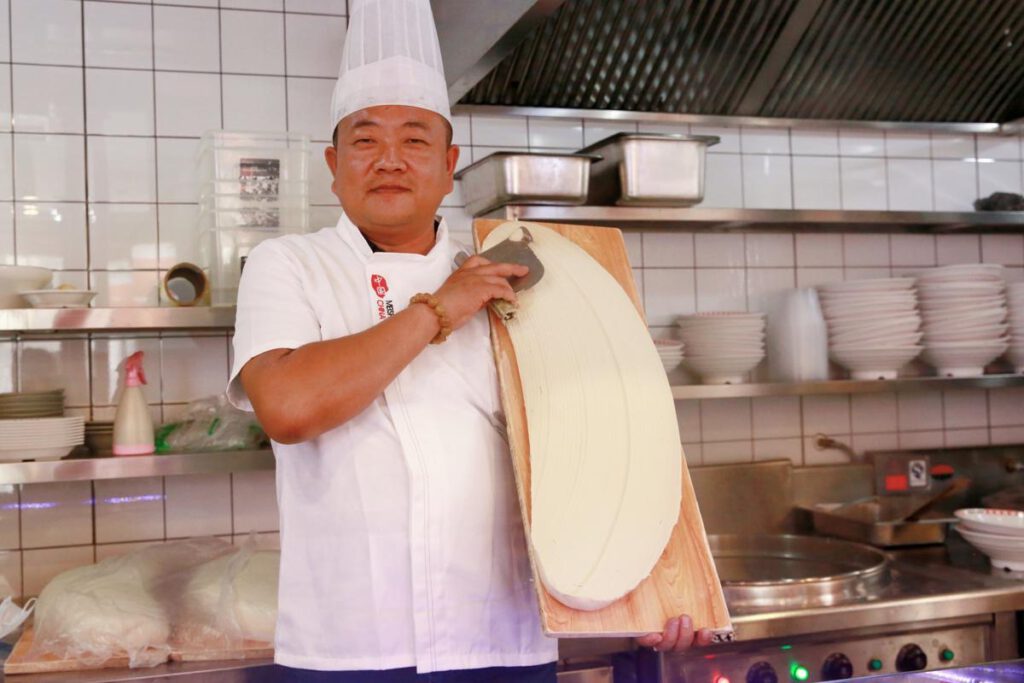
Food culture is another highlight of traveling in Shanxi. The province is famous throughout China as the “home of noodles.” Because wheat grows well in the region’s climate, local people have developed an extraordinary variety of wheat-based dishes. Among the most famous is knife-cut noodles, where dough is sliced directly into boiling water with a special blade, creating thick, chewy noodles with an irregular shape. Other varieties include hand-pulled noodles, oat noodles, and small pasta-like shapes known as “cat-ear noodles.” Shanxi cuisine is also known for its use of vinegar, particularly the region’s famous aged vinegar, which has been produced for hundreds of years and adds a rich, tangy flavor to many dishes.
Shanxi’s greatest strength as a travel destination lies in its authenticity and depth. While many modern tourist destinations focus primarily on entertainment or spectacle, Shanxi offers visitors an opportunity to experience the genuine historical and cultural foundations of China. Ancient temples, preserved city streets, traditional family compounds, religious pilgrimage sites, and local culinary traditions together form a living cultural landscape. For international travelers seeking to move beyond the surface of modern Chinese cities and truly understand the historical roots of Chinese civilization, Shanxi provides an unforgettable journey into the heart of China’s past.
Source: Xinhua, China Daily, CGTN, CNR