


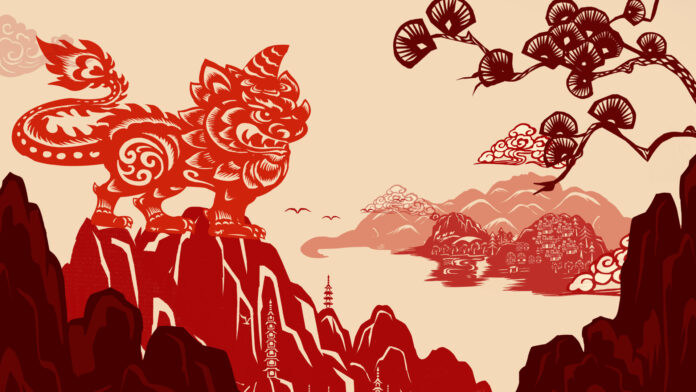
The Spring Festival, traditionally known as the Chinese New Year, Great Year, is the most important and grand traditional festival of the Chinese nation. The Spring Festival originated from the Shang Dynasty (Yin period) rituals of worshipping gods and ancestors at the turn of the year.
It is one of the oldest, largest, and most lively traditional festivals in China. Traditionally, the festival begins from the eighth day of the twelfth Chinese Calendar month or the twenty-third day of the twelfth Chinese Calendar month and continues until the fifteenth day of the first Chinese Calendar month (Lantern Festival), with New Year’s Eve and the first day of the Chinese Calendar year as its peak. Over time, various regions of China have developed diverse customs and cultural practices during the Spring Festival.
In Northeast China, food customs are particularly notable. In Heilongjiang, dumplings often contain coins or, nowadays, peanuts or nuts, symbolizing good fortune for whoever finds them. On the fifth day of the first Chinese Calendar month, people eat dumplings in a tradition called “breaking the fifth,” symbolizing the removal of bad luck and the warding off of evil. In Jilin, families wear new clothes and hold ancestral worship ceremonies on New Year’s Eve, offering incense and food to ancestors and then gathering for a sumptuous family feast. Midnight is marked by firecrackers, offerings to gods, and children paying respects to elders, who give them red envelopes. In Liaoning, families light “longevity lanterns” on New Year’s Eve, keeping them burning throughout the night until the Lantern Festival, symbolizing health and longevity.
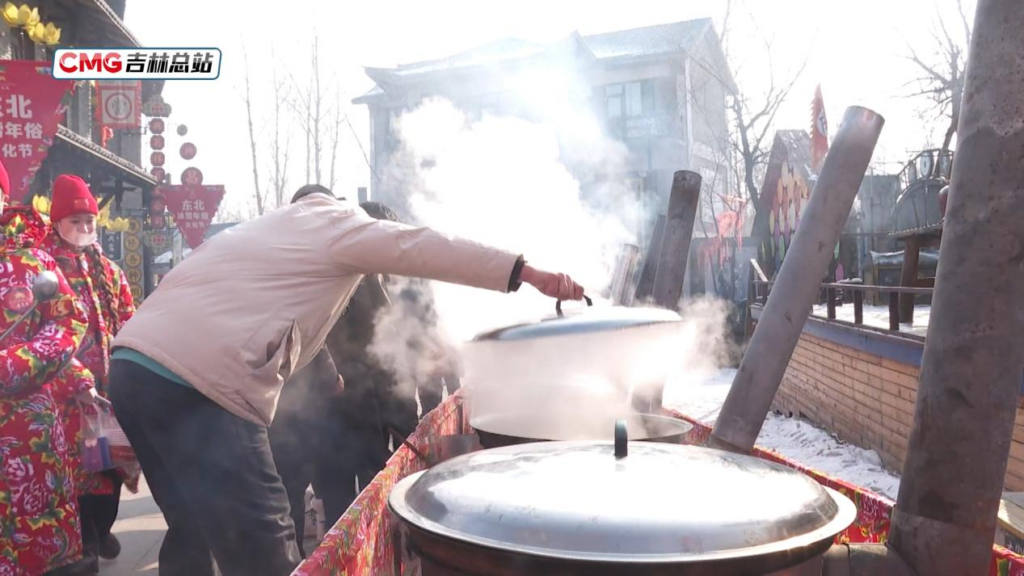
In Northwest China, regional customs are equally lively. In the Xihai Gu area of Ningxia, communities hold large-scale “Shehuo” performances with drums and gongs, creating a festive atmosphere. Ethnic groups in Xinjiang celebrate a spring festival called “Nowruz,” aligned with the vernal equinox, marking the return of spring. In Hami, Uyghur farmers conduct the “sprout-planting ritual,” growing a plate of green sprouts and parading it through the village in song and dance. In Qinghai, people traditionally shaved their heads and cleaned their homes before the New Year, decorated their doors with couplets, and prepared symbolic ornaments. Debts were collected before the New Year but could not be demanded once Spring Festival decorations were up, reflecting a desire for harmony and a fresh start.
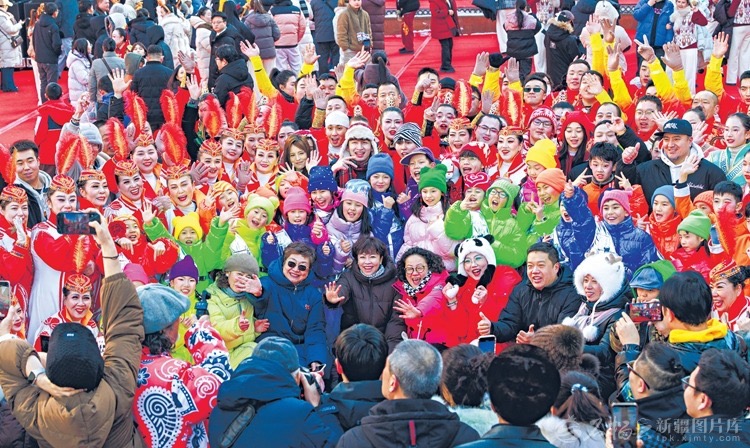
In North China, Beijing has many distinctive New Year customs. Residents practice “stepping on the year,” scattering sesame stalks on the ground to symbolize growth and longevity. Visiting temple fairs, such as those at Changdian, Dongyue Temple, and Baiyun Temple, is also popular. In Tianjin, families celebrate “staying up” on New Year’s Eve with a reunion dinner and fireworks. Various local customs exist across Hebei, Shanxi, and Inner Mongolia, from throwing hats in Handan to lighting “prosperity fires” in Shanxi or performing traditional Mongolian rites in Inner Mongolia, including wearing new clothes, paying respects to elders, and offering prayers to the sky.
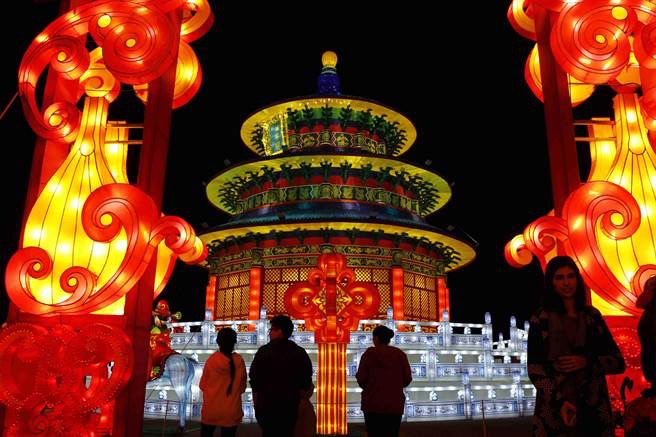
In Central China, customs vary even within provinces. In rural Hubei, New Year’s meals differ by family surname: some families eat early morning, others at noon or late evening. Hunan families begin the day by worshipping heaven, earth, household gods, and elders, then go out to pay New Year visits. Food traditions include dishes like chicken, fish, and meat, often sprinkled with red chili powder to symbolize abundance. Henan families dress in new clothes, light firecrackers, and perform ancestor worship, while children receive red envelopes. In Jiangxi, New Year’s Eve feasts are intentionally left with leftover dishes, symbolizing surplus year after year, with rituals involving serving tea to ancestors before eating.
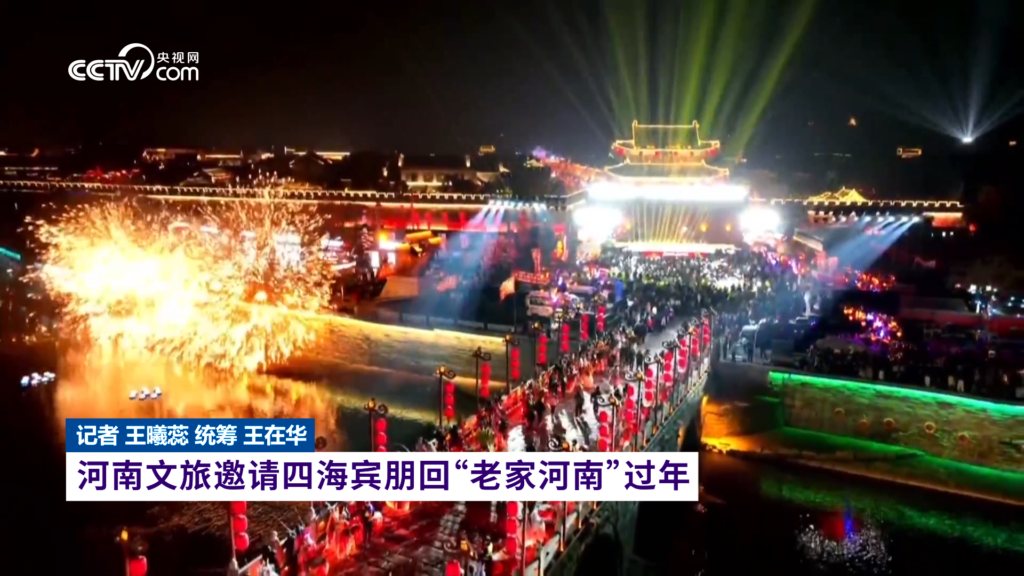
In East China, Shandong families light red candles to illuminate rooms and place paper window decorations to drive away darkness. In Jiangsu, Suzhou residents place water chestnuts in meals to symbolize “digging up treasures,” and green olives are added to tea for good fortune. Anhui’s New Year’s Eve dinner is rich, and families “stay up” chatting until dawn. Zhejiang people burn sky lanterns and beat drums to celebrate agricultural blessings. In Fujian, residents worship the Jade Emperor and prepare “spring meals” symbolizing abundance. In Shanghai, preparations begin on the twenty-third day of the twelfth lunar month, including sending off the Kitchen God, house cleaning, buying couplets, and preparing food. Families gather on New Year’s Eve for reunion dinners and stay up to welcome the new year.
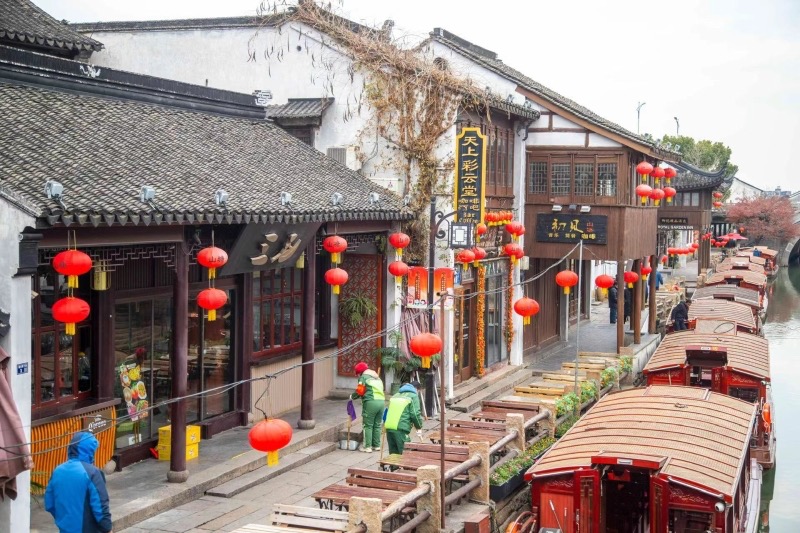
In South China, Guangdong families give children red envelopes or oranges when paying New Year visits. In Guangxi, the Zhuang people fetch “new water” for the household and perform playful imitations of livestock sounds, followed by festive performances like chicken and ox dances. Hainan residents call the festival “doing the year,” observing vegetarian customs on the first day in some areas as a form of spiritual respect.
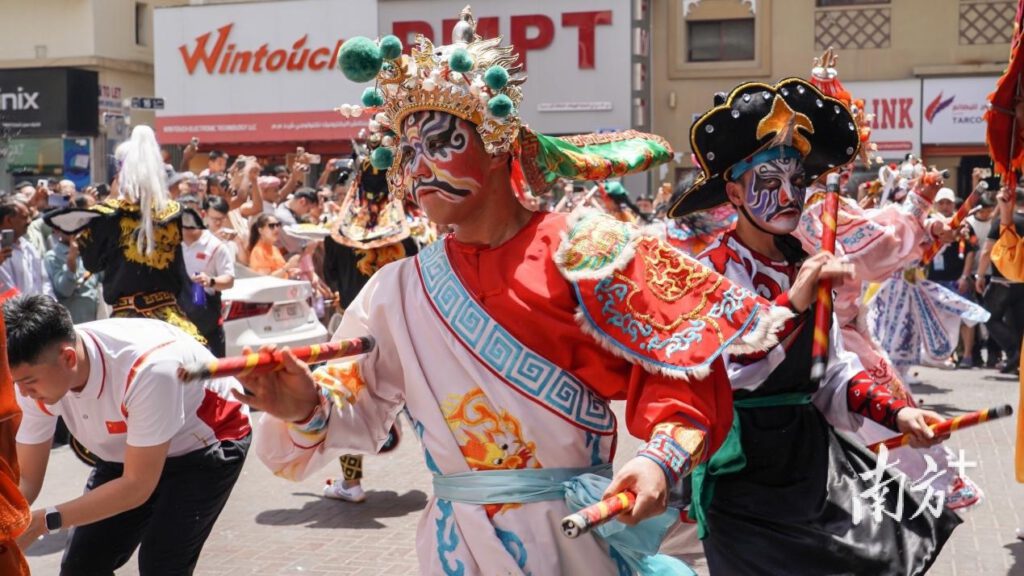
In Southwest China, Sichuanese households hang colorful lanterns, perform dragon and lion dances, and hold elaborate celebrations. In Kunming, leftover dishes from New Year’s Eve are cooked into “long dishes” to be eaten until the Lantern Festival, symbolizing continuity and abundance. Sugarcane is displayed at doorways to represent growth and sweetness in the year ahead. In multi-ethnic Guizhou, festivities include folk songs, flute and drum performances, bullfights, and lantern dances. In Tibet, families replace old curtains, decorate with new flags, and prepare a porridge with various items hidden inside symbolizing predictions of fortune, followed by burning a symbolic witch to drive away evil spirits. In Chongqing, reunion dinners center on glutinous rice balls, representing family unity, with particular quantities conveying different blessings, and certain activities are avoided to preserve household fortune.
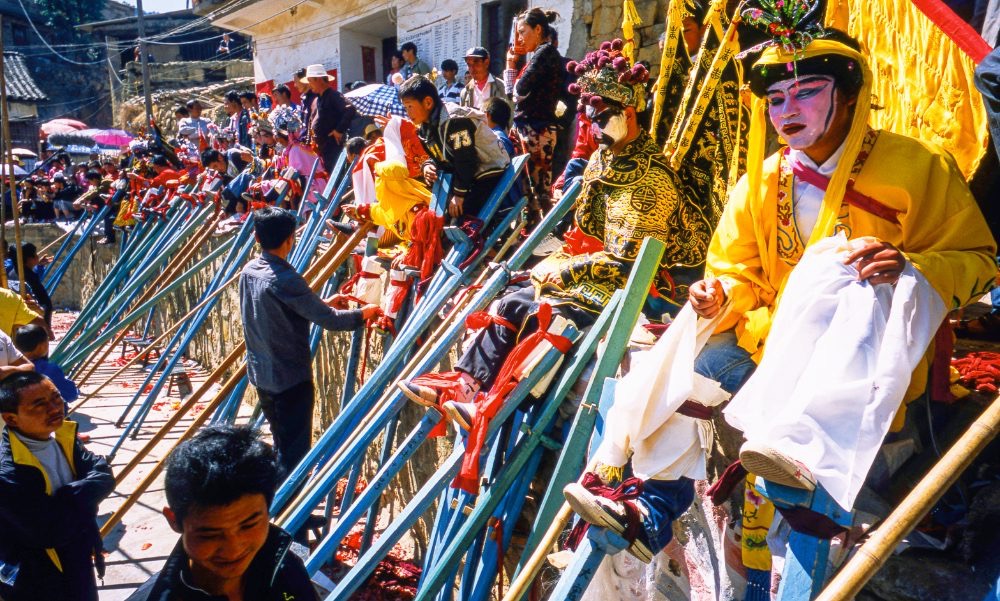
In Hong Kong, families eat reunion dinners and then visit flower markets, with children eagerly receiving red envelopes called, symbolizing luck and prosperity. In Macau, people stay up, visit flower markets, and give red envelopes, while celebrating the first day of the new year with “opening-year” meals. In Taiwan, families post spring couplets, worship ancestors, and set off fireworks, with New Year’s Eve feasts featuring fish balls, meatballs, chicken, and various cakes and fried snacks, each symbolizing family unity, prosperity, and longevity.
Across China, although customs differ from region to region, the common themes of the Spring Festival are bidding farewell to the old year, worshipping ancestors, family reunion, and praying for a happy, prosperous new year. These rich traditions reflect the long history of Chinese culture and the universal hope for a better life.
Source: the paper, cmg, ts, china times, 2500sz, foshanplus, ccc paris