


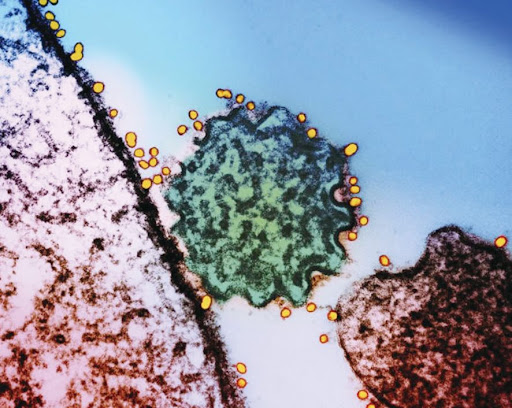
An outbreak of Nipah virus in India’s eastern state of West Bengal has once again pushed one of the world’s deadliest emerging pathogens into the spotlight. Several confirmed cases have been reported, more than 100 people are under quarantine, and neighboring countries including Thailand and Nepal have tightened health screening measures for travelers arriving from India. Though the scale of the outbreak remains limited, the ripple effects have been immediate, underscoring how quickly regional health threats can acquire international significance.
According to the World Health Organization, Nipah virus is a zoonotic pathogen that can be transmitted to humans from infected animals, most commonly fruit bats or pigs, or through food contaminated with their saliva, urine or excreta. In rare cases, human-to-human transmission can also occur. The clinical picture is alarming: infection can lead to acute respiratory illness and fatal encephalitis. There is currently no licensed vaccine and no specific antiviral therapy approved for Nipah virus infection. Mortality rates vary between 40% and 75%, depending on local surveillance capacity and clinical care, and the incubation period can stretch up to 45 days, complicating containment efforts.
Against this sobering backdrop, new research from China has drawn attention. Scientists from the Wuhan Institute of Virology, working with partners including the Shanghai Institute of Materia Medica and biotechnology firm Vigonvita, reported in the journal Emerging Microbes & Infections that the oral nucleoside drug VV116 demonstrates significant antiviral activity against Nipah virus in preclinical studies. VV116, a broad-spectrum antiviral candidate co-developed by Vigonvita and Junshi Biosciences, is designed to target viral RNA-dependent RNA polymerase (RdRp), a key enzyme required for viral replication.
Laboratory experiments showed that both VV116 and its active metabolite inhibited replication of different Nipah strains, including the Malaysia (NiV-M) and Bangladesh (NiV-B) variants. In a lethal-dose hamster model, oral administration of 400 mg/kg improved survival to 66.7% and significantly reduced viral loads in target organs such as the lungs, spleen and brain. Researchers described the findings as the first evidence supporting VV116’s therapeutic potential against Nipah virus, suggesting it could one day serve not only as a treatment but also as a prophylactic option for high-risk groups such as healthcare and laboratory workers.
Still, caution tempers optimism. Industry experts note that the current data remain preclinical; extensive clinical trials would be required before any real-world use. That path is costly, time-consuming and fraught with uncertainty, particularly for a sporadic but high-fatality virus like Nipah. The pathogen first emerged in 1998 in Malaysia, where 265 cases of acute encephalitis were recorded between 1998 and 1999, resulting in 105 deaths and heavy economic losses. Since then, periodic outbreaks in South and Southeast Asia have kept global health authorities on alert.
VV116 itself has had a complex commercial trajectory. Originally developed for COVID-19, it received approval in China and in Uzbekistan as Mindvy® for treatment of SARS-CoV-2 infection. In 2023, milestone payments and royalties from a cooperation agreement with Junshi Pharma drove Vigonvita’s annual revenue above 200 million RMB, with VV116 accounting for the overwhelming majority. Yet as COVID-19 receded and antiviral demand cooled, sales momentum waned. The drug secured broader approval in China in early 2025, but its market outlook appeared diminished compared with the pandemic peak.
Seeking to revive its commercial and clinical prospects, the company has pivoted toward other RNA viruses. A Phase II clinical trial of VV116 for respiratory syncytial virus (RSV) infection was completed in China in September 2025, and in December the firm granted Simcere Pharmaceutical exclusive rights in Greater China to develop, manufacture and commercialize VV116 for RSV and human metapneumovirus (HMPV). Company disclosures have also highlighted inhibitory activity against Zika virus and Nipah virus, positioning VV116 as a potential multi-indication antiviral platform rather than a single-disease product.
Parallel to therapeutic research, diagnostic preparedness has intensified. China’s newly revised Frontier Health and Quarantine Law, implemented in 2025, includes Nipah virus in its list of notifiable pathogens subject to inspection. Although no human or animal infections have been reported domestically, authorities have advised vigilance without panic, urging the public to follow official guidance and avoid unnecessary travel to affected areas such as West Bengal.
Rapid and accurate laboratory diagnosis remains central to outbreak control. In recent days, several Chinese in vitro diagnostics companies have announced Nipah-related testing capabilities. Liferiver emphasized early nucleic acid detection to compensate for the virus’s non-specific early symptoms. Hybribio reported development of a fluorescence PCR-based test kit suitable for port quarantine and disease surveillance. Daan Gene has similarly launched a Nipah nucleic acid test. Meanwhile, Wondfo Biotech introduced multiple product formats, including molecular point-of-care testing compatible with its proprietary platforms, and Autobio Diagnostics offers automated extraction and real-time PCR systems designed to deliver streamlined “sample in, result out” workflows.
Together, these developments reflect a broader shift in China’s life sciences sector. Once largely focused on the domestic market, Chinese pharmaceutical and diagnostics firms are increasingly positioning themselves as contributors to global health security. By investing in broad-spectrum antivirals, scalable PCR platforms and rapid-response manufacturing capacity, they are building toolkits that can be mobilized not only for national needs but also for international outbreaks. In an era when pathogens cross borders with ease, such capacity has global implications.
Nipah virus remains a formidable threat, highly lethal, zoonotic, and capable of silent spread during its long incubation period. Whether VV116 or other candidates will ultimately prove effective in humans is an open question. Yet the convergence of drug repurposing, translational research and diagnostic innovation offers a glimpse of how the next generation of outbreak response may look: faster, more coordinated and more international. In that effort, the expanding role of Chinese companies, both in therapeutics and in diagnostics, illustrates how scientific collaboration and industrial readiness can become shared assets in the worldwide fight for public health.
Source: yicai, yahoo, the paper, hkej, sina, hua shang news