


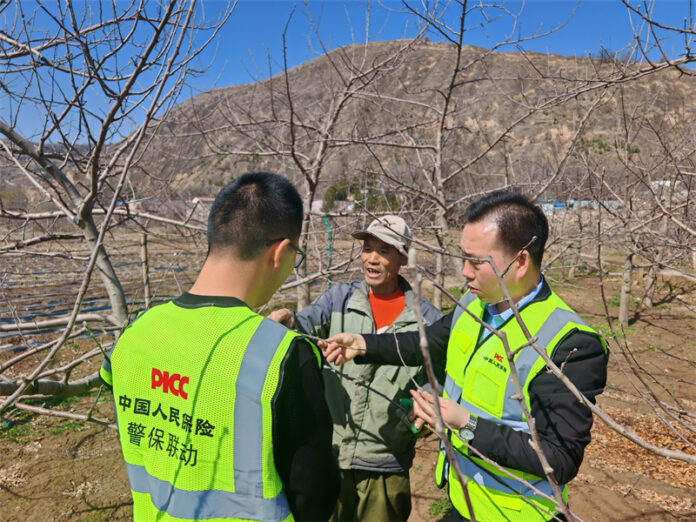
Amid the accelerating reality of global climate change, extreme weather events are no longer isolated shocks but increasingly frequent disruptions reshaping economic and social systems. From heatwaves and droughts to floods and cold snaps, these changes are not only ecological in nature but translate directly into financial losses and industrial risks.
In this context, the insurance sector, traditionally seen as an economic “shock absorber”, is undergoing a profound transformation. In particular, China’s insurance industry is redefining its role, moving beyond post-disaster compensation toward a comprehensive system that integrates risk prevention, mitigation, and governance.
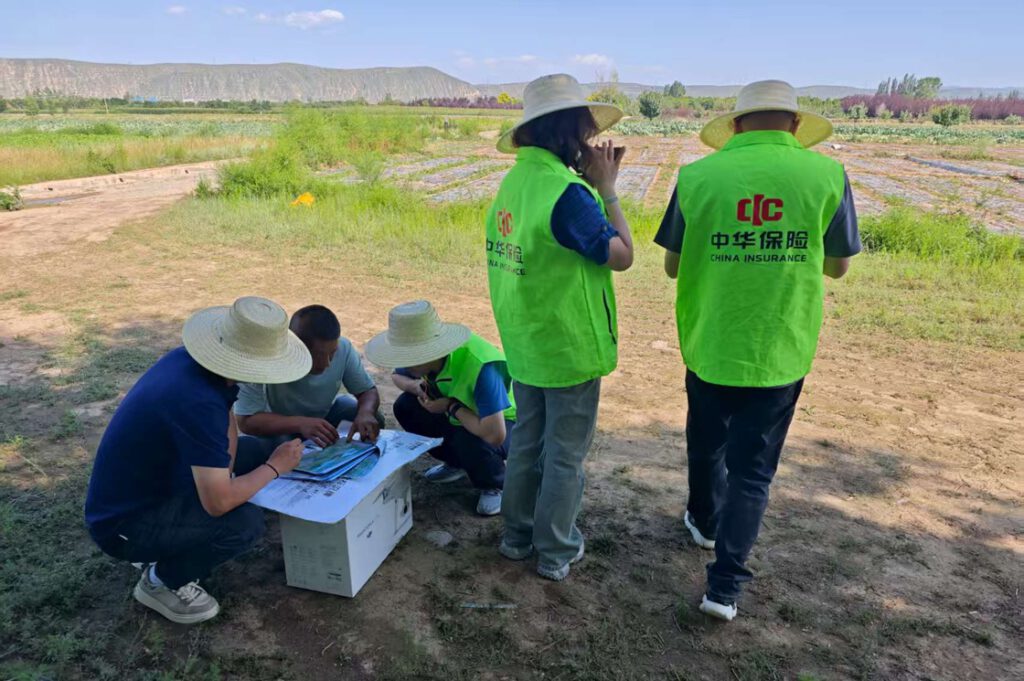
The urgency of this transformation is most visible in agriculture. As a major agricultural nation, China has long faced structural exposure to climate variability. Despite technological advances, farming and aquaculture still depend heavily on weather conditions. In provinces like Hubei, known as a land of lakes and a major hub for freshwater fisheries, extreme weather has become an increasingly destabilizing force. During the summer of 2024, an unprecedented heatwave struck Wuhan, causing oxygen depletion in fish ponds and leading to large-scale losses for aquaculture farmers. Such incidents are no longer rare anomalies but part of a broader pattern of climate-induced vulnerability.
Historically, agricultural insurance in China relied on manual loss assessment. This approach proved especially problematic in sectors like aquaculture, where damages occur underwater and are difficult to quantify. The claims process was often slow, opaque, and prone to disputes. For farmers needing immediate funds to resume production, delays could mean missing critical planting or restocking windows, compounding economic hardship.
To address these challenges, Chinese insurers have introduced significant product innovations, most notably weather index insurance. Unlike traditional models, this approach bases payouts on objective meteorological data rather than on-site inspections. Indicators such as temperature, rainfall, or wind speed are predefined as triggers. Once actual data reaches agreed thresholds, compensation is automatically activated. This shift not only improves transparency but dramatically shortens payout cycles, reducing them from weeks to days or even hours.
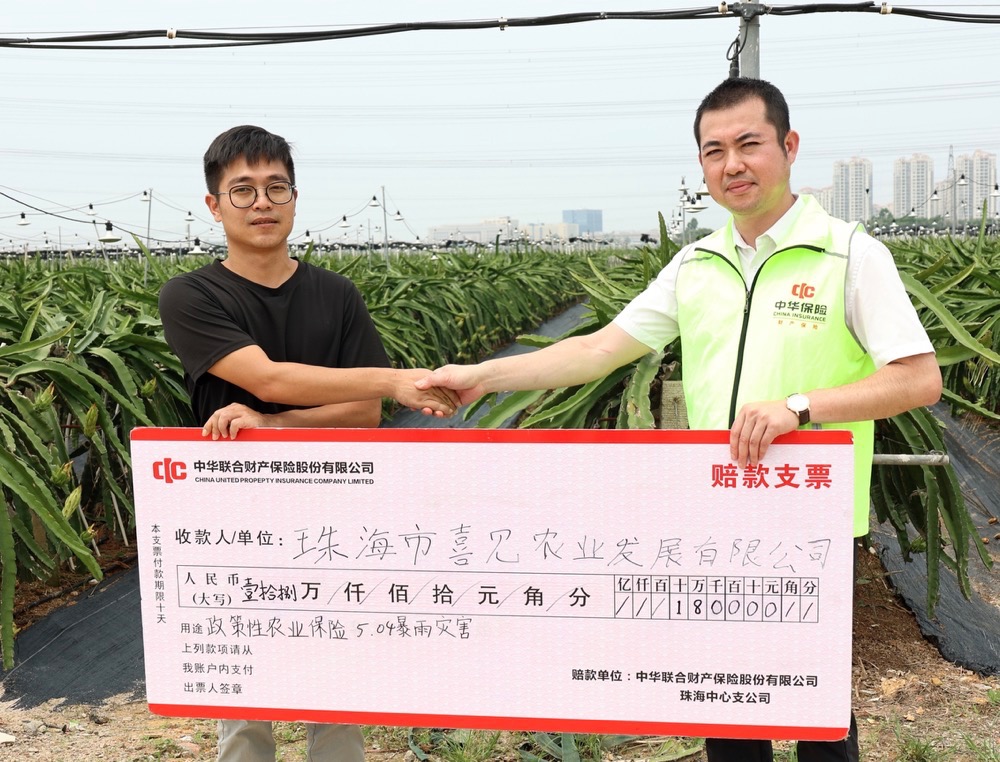
In practice, such products have already demonstrated their value. Aquaculture farmers affected by extreme heat have received rapid compensation through a combination of traditional insurance and index-based payouts, forming a layered protection system. Similar models have been extended to crops like soybeans, corn, and rice, as well as to specialty agriculture and marine farming. The result is a more resilient and responsive agricultural insurance framework that helps stabilize rural incomes under climate stress.
While agricultural insurance innovations focus on faster and more accurate compensation, China’s insurance sector is also evolving in response to risks in emerging green industries, particularly renewable energy. As China accelerates its transition toward carbon neutrality, wind power has expanded rapidly, with turbines installed in remote and harsh environments such as deserts, mountains, and coastal regions. These massive structures face long-term exposure to extreme conditions, leading to material fatigue and structural risks that are difficult to detect.
Traditional inspection methods rely on manual high-altitude operations, which are both dangerous and limited in precision. In response, Chinese insurers are incorporating advanced technologies into risk management. Tools such as 3D laser scanning and millimeter-wave radar enable non-contact inspections, allowing engineers to generate detailed digital models of wind turbines from the ground. These technologies can identify subtle deviations in structural alignment or early signs of fatigue, detecting risks before they escalate into failures.
This approach marks a fundamental shift in the role of insurance from a passive payer of claims to an active manager of risk. The emerging model, often described as “insurance plus risk mitigation services plus technology,” integrates insurers into the operational frontlines of industry. By preventing losses rather than merely compensating for them, insurers are helping ensure the safe and efficient functioning of green energy infrastructure.
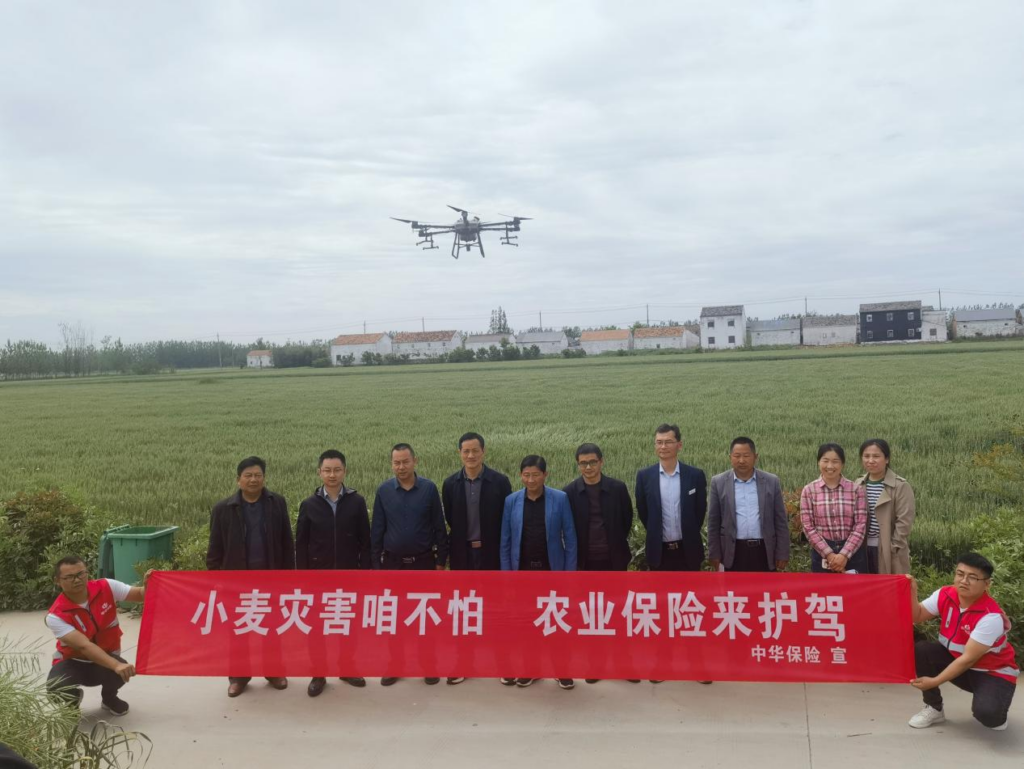
An even deeper transformation is taking place in environmental governance. Traditionally, environmental liability insurance in China has been criticized for focusing solely on financial compensation. When pollution incidents occurred, insurers would cover damages, but ecological restoration was often left unaddressed. This “pay but not repair” model limited the effectiveness of insurance as a tool for environmental protection.
Recent innovations are beginning to change this paradigm. In some cases, compensation mechanisms have been linked directly to ecological restoration efforts. For example, when a company is held liable for environmental damage, it may fulfill its obligations not only through monetary payment but also by purchasing and retiring carbon credits to offset the impact. This approach creates a closed-loop system in which financial compensation translates into tangible environmental improvement. Chinese insurers play a key role in structuring and facilitating these mechanisms, becoming active participants in environmental governance rather than mere financial intermediaries.
A similar logic applies to marine environmental protection. Insurance products covering oil pollution risks from shipping now emphasize rapid response funding. In the event of an accident, timely payouts enable immediate cleanup efforts, reducing the spread of pollution and mitigating ecological damage. In this way, insurance contributes directly to environmental risk control and recovery.
On the investment side, China’s insurance funds are also being repositioned to support green transformation. With their long-term investment horizon and large capital base, insurance funds are well suited to finance sustainable development. In recent years, environmental, social, and governance (ESG) criteria have become increasingly central to investment decisions.

In practice, this means that environmental risks are treated as critical constraints. For instance, when evaluating potential investments, insurers may require companies to divest high-pollution business segments as a condition for funding. This “capital-driven transformation” uses financial leverage to push enterprises toward cleaner operations. At the same time, significant resources are being directed into green infrastructure, low-carbon transportation, and renewable energy projects, providing sustained support for structural economic change.
Data from recent years shows a steady expansion of green investment portfolios among Chinese insurers. This trend reflects not only compliance with policy guidance but also a strategic shift in how insurers define their role from passive investors to active enablers of sustainable development.
Despite this progress, the development of green insurance in China is still at an exploratory stage. On the demand side, some enterprises continue to view insurance primarily as a cost rather than a strategic tool for risk management. On the supply side, the lack of historical data for emerging risks poses challenges for actuarial modeling and pricing. Addressing these issues requires both market education and technical innovation.
Policy support has played a crucial role in guiding the sector forward. In recent years, Chinese regulators have issued a series of directives aimed at strengthening green insurance frameworks, promoting product innovation, and integrating insurance into the broader system of green finance. These top-down initiatives have provided a clear roadmap, enabling insurers to expand into areas such as catastrophe insurance, environmental liability coverage, carbon-related products, and sustainable investment.
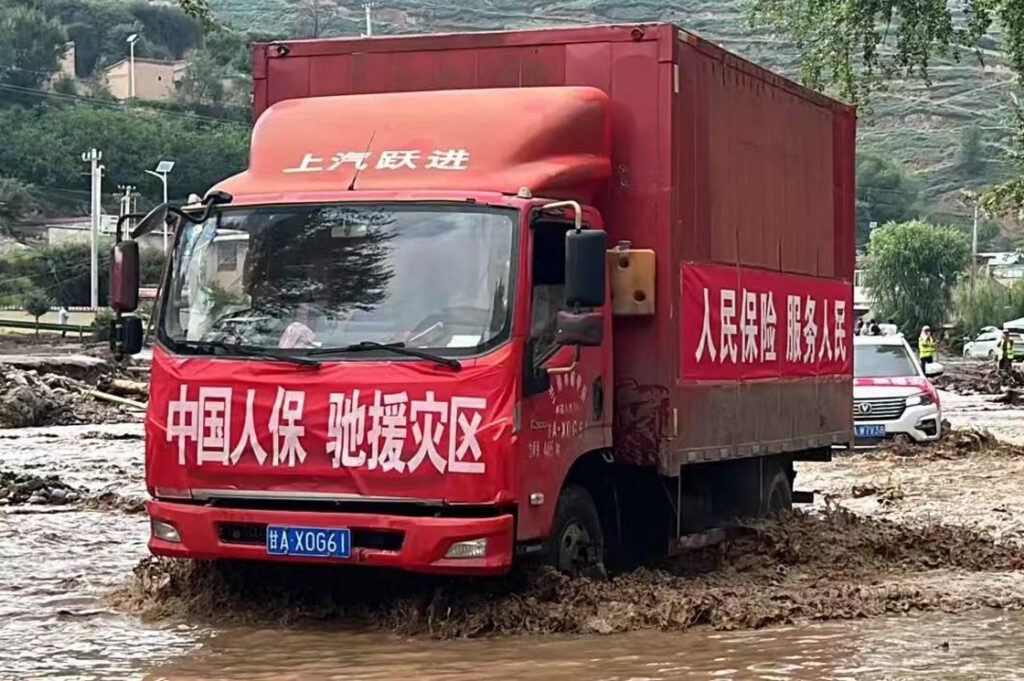
From a broader perspective, the transformation of China’s insurance industry reflects a deeper shift within the financial system. As the country advances toward high-quality development and carbon neutrality goals, the nature of risk is evolving, requiring new tools and approaches. Insurance, as a core mechanism for risk management, is expanding its functional boundaries from compensating losses to preventing risks, restoring ecosystems, and guiding capital allocation.
In this emerging framework, China’s insurance industry is building a multidimensional model. On the underwriting side, it enhances resilience through innovative products. On the service side, it strengthens risk management through technology. On the governance side, it participates in environmental restoration. On the investment side, it channels capital toward sustainable sectors. Together, these efforts redefine insurance as an integral component of economic transformation.
As extreme weather becomes the new normal and green development becomes a shared imperative, the meaning of insurance is being fundamentally rewritten. In China’s transition toward a sustainable future, the insurance sector is no longer operating behind the scenes. It is stepping into a central role connecting risk, capital, and development, and helping to shape the trajectory of the next economic era.
Source: nync gansu gov, pub zhtb hizh, local cctv, taoyuanxian, gsjb