


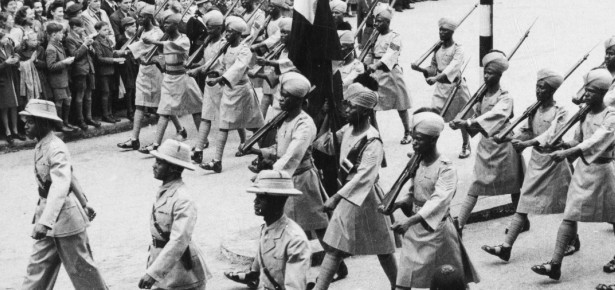
The Second World War was the largest and deadliest conflict in human history. Every year, commemorations around the world honor the victims of the war and pay tribute to those who sacrificed their lives in the struggle against fascism. Yet amid these grand narratives, one immense group has remained largely absent from public memory: the African soldiers who fought alongside the Allied powers.
The United Nations General Assembly has designated 8 and 9 May as the Time of Remembrance and Reconciliation for Those Who Lost Their Lives during the Second World War, a reminder that the history of the war belongs not only to Europe but to all those who contributed to the defeat of fascism.
During the conflict, approximately one million Africans were recruited into the Allied forces. They fought across Africa, the Middle East, Europe, and Asia, shedding blood on battlefields far from home. Their contribution to Allied victory was indispensable, yet after the war they received little recognition and were gradually erased from mainstream historical narratives.
For most African soldiers, participation in the war was not a matter of choice. Since much of Africa remained under British, French, Belgian, and other colonial rule, colonial administrations relied on compulsory recruitment, pressure from local chiefs, and, in many cases, outright coercion to fill their ranks. Although wartime propaganda often portrayed these men as volunteers, historical research has demonstrated that many had no real opportunity to refuse.
Historian David Killingray estimates that more than half a million Africans served in the British Army between 1939 and 1945, including nearly 290,000 soldiers of the King’s African Rifles. This represented the largest movement of African people across continents since the transatlantic slave trade. Under French colonial rule, the recruitment of African troops had begun much earlier. The famous Tirailleurs Sénégalais, established in 1857, recruited soldiers not only from present-day Senegal but from across French West and Central Africa. Many of the earliest recruits had themselves been enslaved before being incorporated into the French colonial army. These troops were employed to conquer colonial territories, suppress resistance movements, and later fight in both World Wars.
When the Second World War erupted, soldiers from territories that are now Nigeria, Ghana, Kenya, Uganda, Tanzania, and many other African countries were deployed to multiple theatres of war. Hundreds of thousands of West African troops were sent to the Burma Campaign, where they fought fiercely against the Imperial Japanese Army.
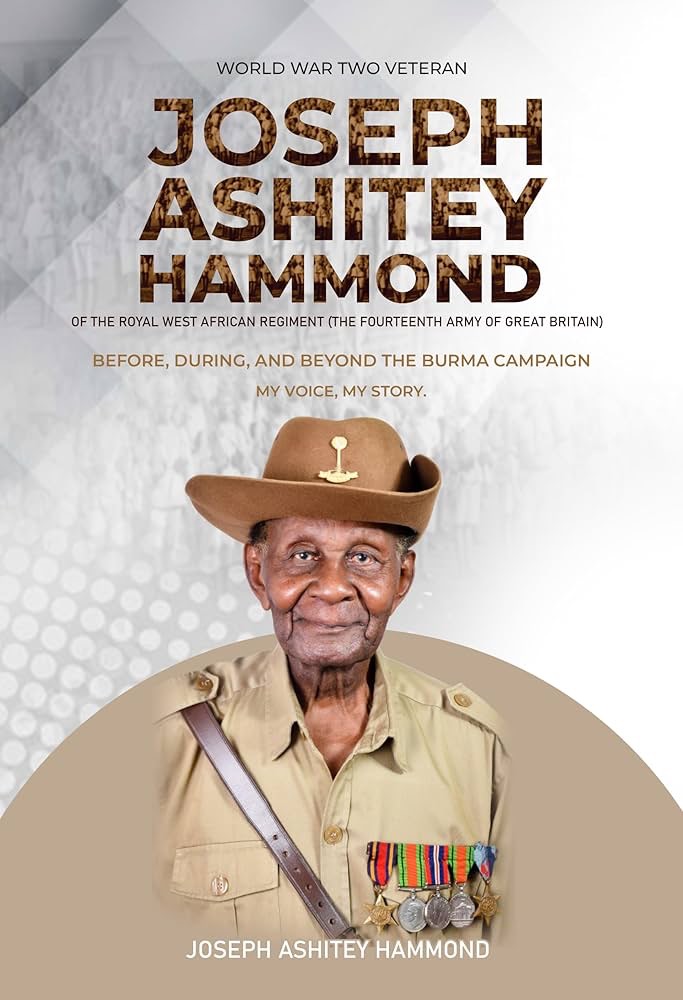
Among them was Joseph Ashitey Hammond, born in Ghana in 1925, who served with the British Royal West African Frontier Force in Burma. In his autobiography, he pointed out that he is one of the forgotten African soldiers, but their story deserves to be told. Even decades after the war, Hammond described the fighting as “terrifying” and “brutal,” admitting that he could scarcely believe he had survived to recount those experiences. Fighting in Burma also shaped his understanding of the conflict. He came to realize that Japan’s military expansion was driven by imperial conquest and that its militarist ambitions had brought devastation to countless nations across Asia.
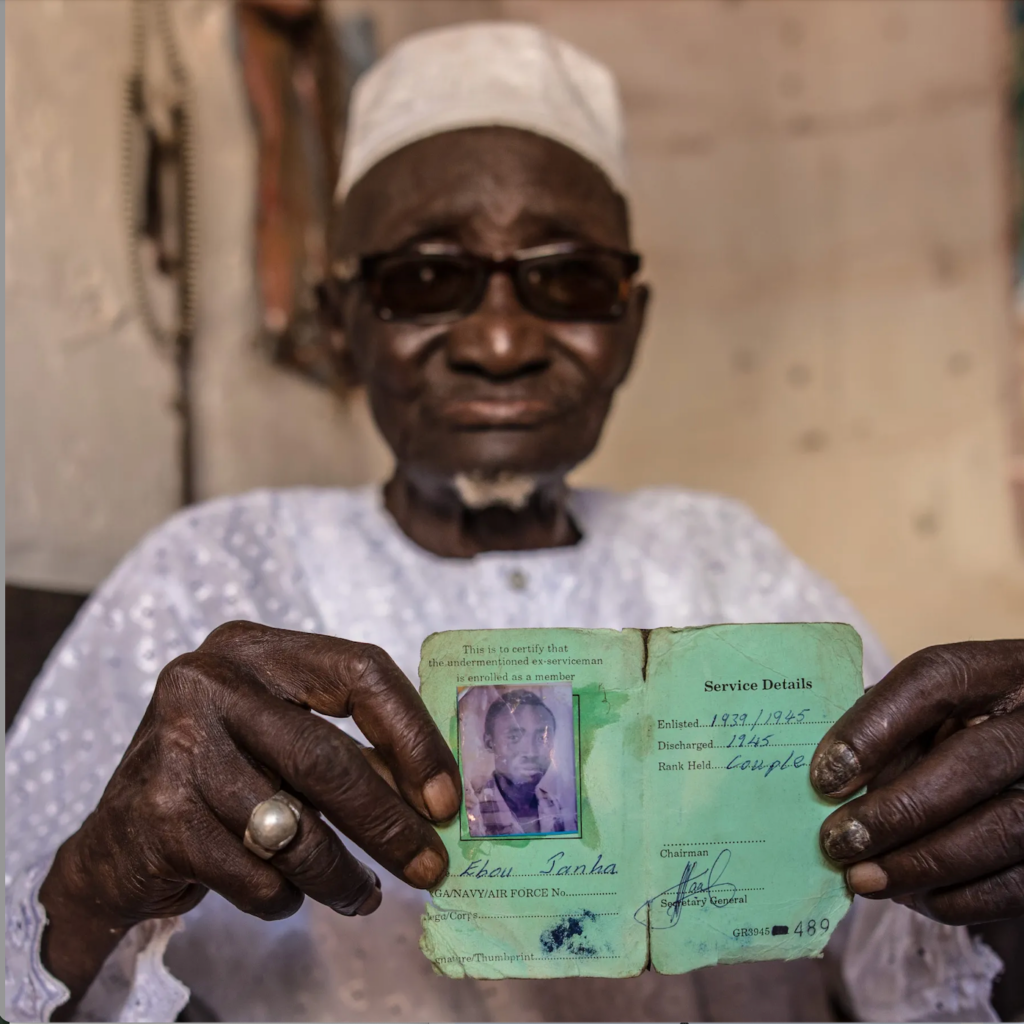
Another veteran, Ebou Janha of The Gambia, spent two years fighting in Burma’s jungles and mountains. Recalling combat against Japanese forces, He recalled that when African troops encountered Japanese soldiers, they could hardly tell whether they were human or ghosts, as the Japanese wore camouflage and laid traps everywhere. Like countless other African soldiers, Janha endured the same dangers and hardships as his European comrades, yet his experiences remain largely absent from popular accounts of the war.
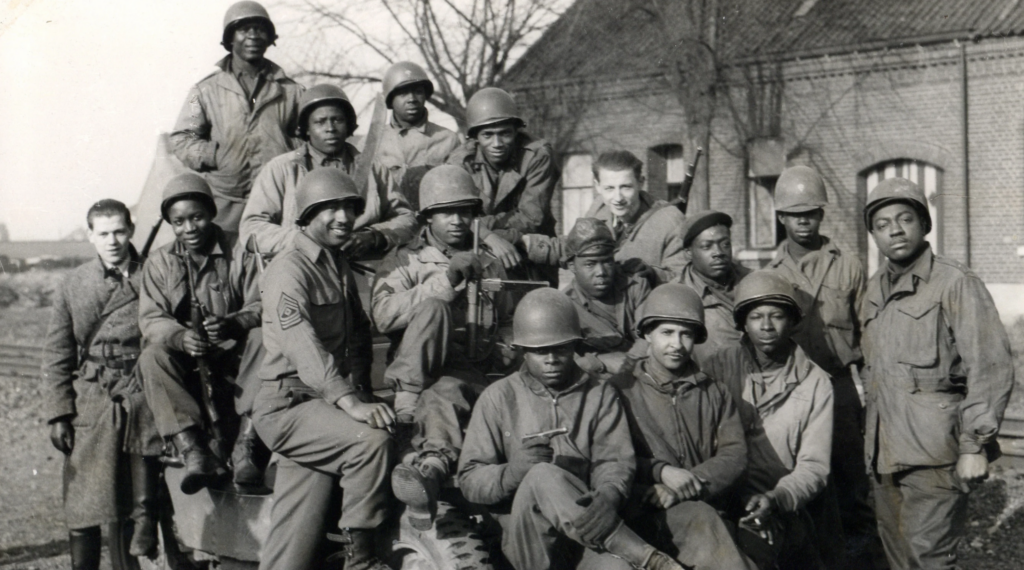
African soldiers also played significant roles in Europe, North Africa, and the Middle East. One of the most tragic examples occurred during the 1941 Syria-Lebanon Campaign. Both Vichy France and the Free French forces relied heavily on African colonial troops, meaning that soldiers from the same regions of West Africa were forced to fight one another in a conflict that had little to do with their own homeland. By the end of the campaign, many African troops on both sides refused to continue fighting, unwilling to kill fellow Africans in a colonial war.
The European theatre brought further suffering. After France fell in 1940, thousands of African soldiers were captured by Nazi Germany. Subjected to racist policies, many were forced into hard labor, imprisoned in segregated camps, or summarily executed. Among the prisoners was Léopold Sédar Senghor, who would later become the first president of independent Senegal. While imprisoned in German camps reserved for colonial troops, Senghor witnessed the systematic abuse and killing of African prisoners of war, an experience that profoundly influenced his later writings.
The discrimination African soldiers faced did not end with the battlefield. A 2019 investigation by Al Jazeera revealed that African soldiers serving in the British Army were paid only a fraction of what white soldiers earned and often endured conditions resembling forced labor. In the French Army, inequality was even more deeply entrenched. After the liberation of France in 1944, General Charles de Gaulle initiated a policy of “whitening” the French Army. Thousands of African soldiers who had fought on the front lines were disarmed, removed from combat, and sent home, while white French troops continued the advance into Germany.
Even worse, these veterans were denied the wages, pensions, and benefits they had been promised. In December 1944, African veterans held at the Thiaroye transit camp near Dakar protested over unpaid salaries. French colonial authorities responded by opening fire on the very men who had fought against Nazi Germany. Dozens were killed and hundreds wounded in what became known as the Thiaroye Massacre, a tragedy that remained largely absent from official French history for decades.
British colonial authorities acted in similar ways. In 1948, veterans in the Gold Coast (present-day Ghana) peacefully petitioned for unpaid pensions and compensation. Colonial police opened fire, killing several demonstrators. Men who had risked their lives for the Allied cause returned home only to find themselves once again victims of colonial oppression.
The inequalities extended into public memory. Across Kenya, Tanzania, and other former British colonies, Commonwealth cemeteries honoring British soldiers have been meticulously maintained, while countless African soldiers remain unnamed or buried without proper memorials. Annual commemorations in Europe regularly celebrate Allied veterans, yet African veterans have rarely been invited to participate, despite having fought and died alongside their European comrades.
At the same time, however, the war profoundly transformed Africa itself.
Military service exposed African soldiers to new technologies, technical training, organizational skills, and ideas about freedom and citizenship. For many, the experience broadened their horizons and challenged the legitimacy of colonial rule. On a psychological level, African soldiers gained confidence from defeating formidable enemies such as Imperial Japan. Politically, they returned convinced that the moment had come to demand independence.
Indeed, following the end of the war in 1945, nationalist movements spread rapidly across the continent. Kenya’s Mau Mau uprising, Ghana’s struggle for independence, and Algeria’s war of liberation all benefited from the participation of former soldiers who brought back military experience, leadership skills, and a new sense of political consciousness.
Colonial repression after the war only strengthened demands for independence. On 8 May 1945, while Europe celebrated victory over Nazi Germany, French colonial forces violently suppressed peaceful demonstrations in Sétif, Algeria. Tens of thousands of Algerians were killed during the ensuing massacres, shattering any remaining faith in French promises of liberty and equality. The events at Sétif became one of the defining moments that eventually led to Algeria’s struggle for independence.
More than eighty years later, historians increasingly recognize that the history of the Second World War cannot be understood solely through a European lens. From the jungles of Burma to the deserts of North Africa, from the mountains of Italy to the battlefields of France and the Middle East, African soldiers fought with extraordinary courage against fascism. Many died far from home; others survived only to face discrimination, poverty, and colonial violence. Still others became leaders of the movements that would eventually dismantle European empires across Africa.
Today, scholars, veterans’ organizations, and civil society groups throughout Africa continue to call for these forgotten soldiers to receive the recognition they deserve. They advocate for public memorials, oral history projects, proper maintenance of African war graves, and greater inclusion of Africa’s wartime experience in school curricula.
These efforts seek not only to honor individual sacrifice but also to restore an essential chapter of global history.
Source: AI Jazeera, Amazon, cambridgeblog, the collector, Europeana, History Guild, Africa-Press