


From clean water flowing from rural wells to modern agricultural technologies introduced in the fields; from improved medical services in hospitals to Chinese-invested enterprises contributing to export diversification, cooperation between China and Zimbabwe continues to expand across multiple areas of economic and social development. Over the years, China has supported Zimbabwe in improving livelihoods and strengthening its capacity for independent development through infrastructure construction, agricultural technology assistance, healthcare cooperation, trade and investment, and personnel training. These efforts have delivered tangible benefits to people in both countries.
China-Zimbabwe cooperation is rooted in a longstanding friendship and a shared commitment to development. On September 3, 2024, witnessed by the two countries’ heads of state, the governments of China and Zimbabwe signed a cooperation plan aligning the Belt and Road Initiative with Zimbabwe’s Vision 2030. The plan identified key areas for cooperation, including infrastructure, trade and investment, industrial development, the digital economy, green development, energy and resources, science and technology, agriculture, healthcare, education, and people-to-people exchanges, establishing a clearer framework for practical bilateral cooperation.
On August 6, 2025, the two countries signed an economic and technical cooperation agreement and exchanged letters concerning a new batch of Chinese food assistance to Zimbabwe, further advancing bilateral cooperation. Zhou Ding, China’s ambassador to Zimbabwe, noted that the comprehensive strategic cooperative partnership between the two countries continues to deepen, bringing tangible benefits to their peoples. China will continue to support Zimbabwe in achieving Vision 2030 and advancing its socioeconomic transformation.
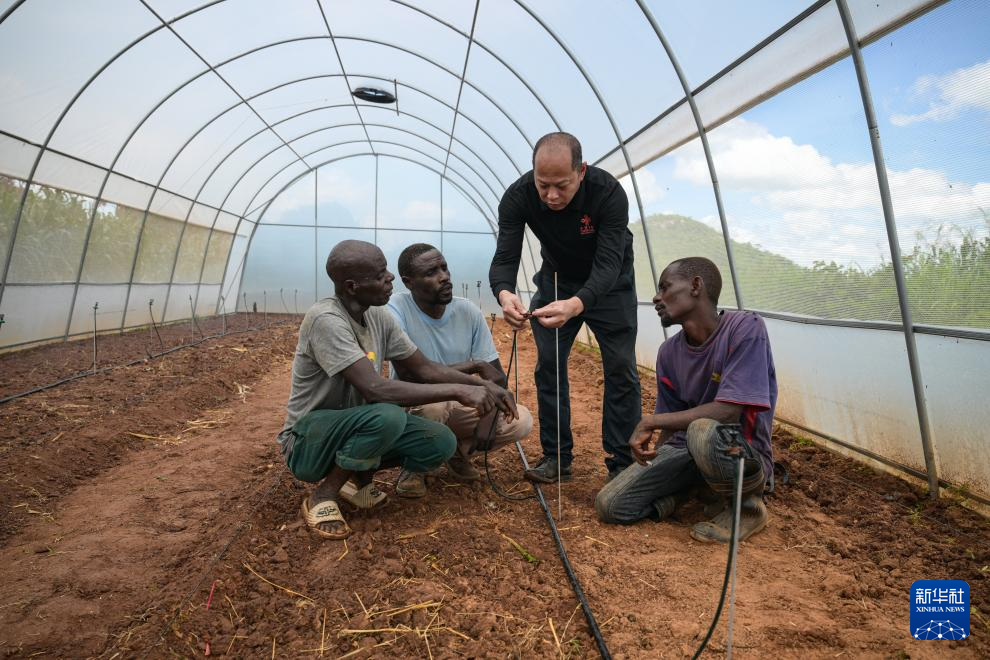
Agriculture is a major pillar of Zimbabwe’s economy and people’s livelihoods, as well as a key area of China-Zimbabwe cooperation. In response to challenges such as inadequate agricultural infrastructure, recurrent droughts, limited irrigation, and livestock diseases, Chinese agricultural experts have tailored technical assistance to local needs. Their efforts have helped establish a sustainable development approach centered on infrastructure improvement, technical training, and cooperative development.
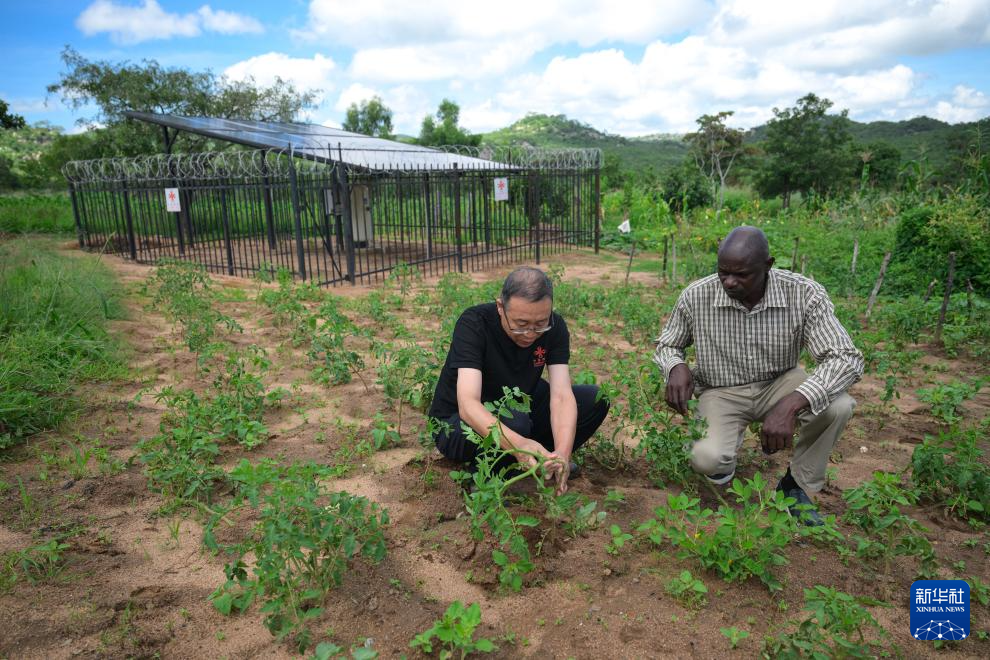
In Zindi Village, located in the Shamva District of Zimbabwe’s Mashonaland Central Province, a China-Zimbabwe agricultural cooperation demonstration village project was launched in 2024. The project initially focused on access to water and irrigation. By drilling wells, installing solar-powered pumps, and laying water pipelines, the team established an irrigation system capable of supplying 55,000 liters of water per day.
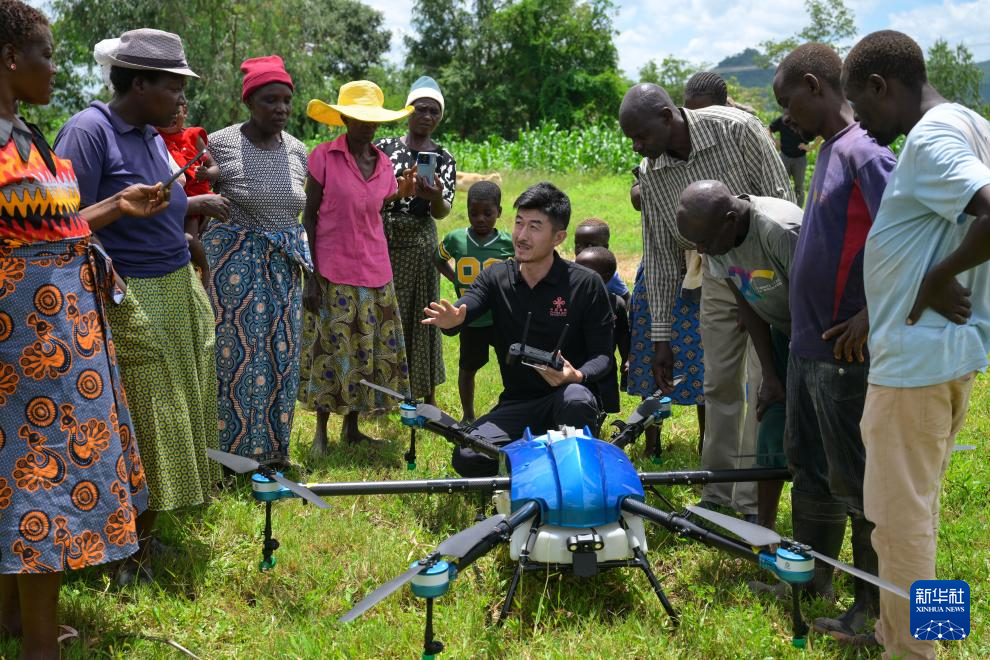
The reliable water supply has improved living conditions and enabled previously difficult-to-cultivate land to be brought back into production, supporting the growing cultivation of maize, sweet potatoes, and vegetables. Chinese experts have also provided guidance on the proper use of organic fertilizers, greenhouse seedling cultivation, and poultry farming. They have helped establish agricultural machinery service teams and village management groups while training local personnel to manage daily operations and maintain infrastructure. By integrating crop production, livestock farming, and infrastructure management, the village is gradually developing a more stable agricultural production system.
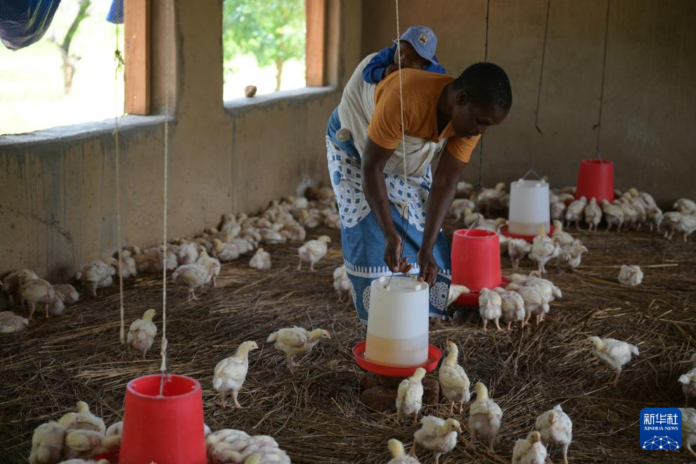
Similar efforts can be seen in poverty reduction demonstration villages. In Mashonaland West Province, the Chinese agricultural expert team has helped establish a poultry incubation center known as the “Hope Chicken House.” By providing training in poultry farming and incubation, developing local technicians, and establishing farmers’ cooperatives, the team has helped rural households expand poultry production. The incubation center can process 3,000 eggs at a time and supply more than 2,000 chicks each month, creating opportunities for local farmers to scale up their operations.
One member of a poultry farming cooperative, said that she currently earns approximately US$320 per month from poultry farming, improving her household income. The Chinese experts have also helped build a standardized cattle dipping facility that supports dipping, disease prevention, immunization, and sampling. Serving approximately 800 cattle across seven neighboring villages, the facility helps reduce disease risks and supports the development of local livestock farming.
China’s Juncao technology has opened up new opportunities for Zimbabwe’s agricultural and livestock sectors. Launched in February 2025, the Chinese-assisted Juncao technology project introduced drought-resistant, high-yield grass varieties to help address feed shortages and increase rural incomes. In just over a year, the technology had been promoted across nine provinces, with 69 demonstration sites established, nine major universities involved, and 187 households cultivating edible mushrooms as demonstration farmers.
For livestock farmer Obert Chinahamo, who raises more than 300 cattle, Juncao has eased feed shortages during dry periods. For mushroom grower, cultivating edible mushrooms using mushroom-growing kits provided through Chinese assistance generates an additional average income of approximately US$100 per month. The project also plans to expand a circular development model integrating Juncao cultivation, livestock farming, mushroom production, and organic fertilizer, while exploring applications in soil and water conservation and mine-site ecological restoration. These initiatives offer further technological options for sustainable agricultural development in Zimbabwe.
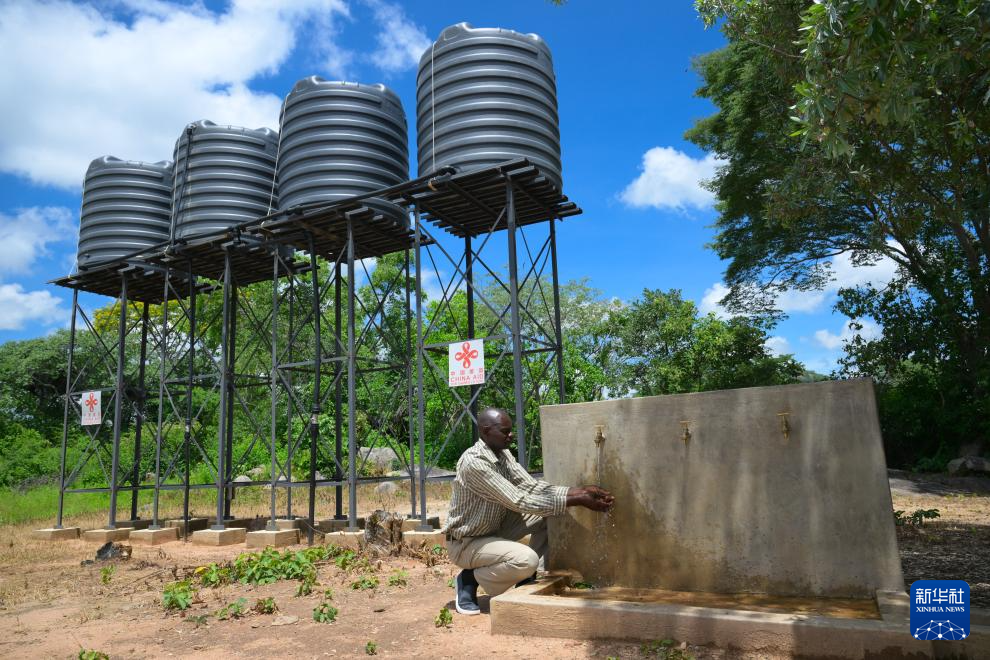
Rural water access and infrastructure development are also important components of China-Zimbabwe cooperation. On June 12, 2026, a Chinese-funded project to drill 300 wells in Zimbabwe was officially handed over to the Zimbabwean side. Launched in July 2024, the project covered Zimbabwe’s Midlands, Manicaland, Masvingo, and Mashonaland East provinces, among other areas. It provides more reliable sources of clean water for household use and agricultural production while helping improve sanitation and reduce the risk of waterborne diseases.
Meanwhile, the China-Zimbabwe Friendship Well Project, launched in 2023, has drilled eight wells and directly benefited approximately 30,000 people. A well at Marimba Park Council Primary School has resolved drinking-water difficulties for more than 1,500 students and teachers. With improved access to water, the school has also cultivated spinach, tomatoes, onions, and other vegetables for its canteen. According to reports, China has drilled more than 1,000 wells in Zimbabwe over the past decade or more, helping more than 400,000 Zimbabweans gain easier access to safe, clean drinking water. From rural communities to school campuses, these projects address immediate needs while creating better conditions for agriculture, public health, and rural development.
Healthcare cooperation has also expanded into clinical treatment, professional training, and medical personnel development. Since 2022, People’s Hospital of Hunan Province has partnered with Parirenyatwa Group of Hospitals, one of Zimbabwe’s largest public hospital institutions, in respiratory and critical care medicine to strengthen local diagnostic and treatment capabilities.
Through the provision of medical equipment, training in standardized clinical procedures, and practical instruction, Chinese medical professionals have helped their Zimbabwean counterparts improve the management of conditions such as sepsis and respiratory failure. People’s Hospital of Hunan Province has sent respiratory specialists to Zimbabwe for five consecutive years and established a remote medical center with its local partners.
Through online consultations, Chinese and Zimbabwean doctors have developed treatment plans for patients with complex conditions, while more than 300 local healthcare professionals have received training. This cooperation supports individual patients while extending medical knowledge and clinical skills to primary healthcare facilities, helping strengthen Zimbabwe’s healthcare capacity over the long term.
Officials from Zimbabwe’s Ministry of Agriculture have noted that Chinese experts have made important contributions to rural poverty reduction and agricultural development, with participating farmers reporting increased incomes. The Zimbabwean government has also repeatedly expressed its appreciation for China’s longstanding support and its expectation that bilateral cooperation will continue to deepen.
From irrigation facilities in rural fields to remote medical consultation platforms in hospitals and investment projects supporting local industries, China-Zimbabwe cooperation continues to translate bilateral ties into tangible development outcomes.
Source: xinhua, ydyl, paper people, imsilkroad