


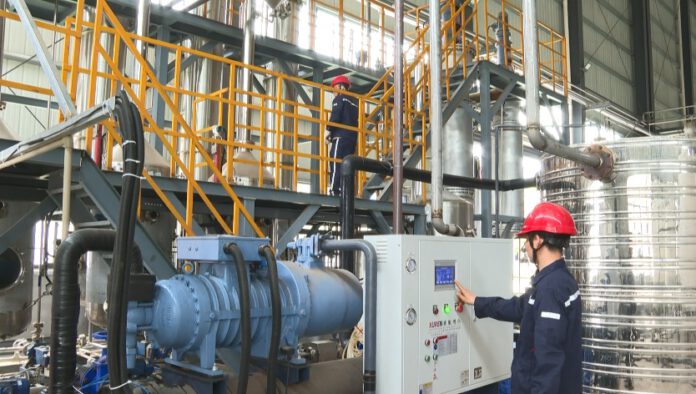
Traditionally, reeds have been mainly used for papermaking and other conventional applications. However, advances in synthetic biology and biomass refining are transforming these common wetland plants into valuable renewable resources for low-carbon industries. From biodegradable bioplastics and bio-based resins to carbon-fibre composites and battery materials, reeds are finding new applications in advanced manufacturing, creating opportunities to reduce dependence on fossil-based raw materials.
The low-carbon potential of reeds begins with their nature as a non-food biomass resource. Conventional plastics are primarily derived from petroleum, a non-renewable fossil resource, and can persist in the environment for decades after disposal. Some biodegradable plastics, meanwhile, are produced using food crops such as corn. Although these materials offer environmental benefits, their production can involve relatively high costs and competition with food resources.
Reeds and agricultural straw provide an alternative. Through innovative biomass refining and synthetic biology technologies, cellulose, hemicellulose and lignin contained in reeds can be separated and converted into valuable industrial feedstocks, including cellulose-based polylactic acid (PLA) and enzymatically hydrolysed lignin.
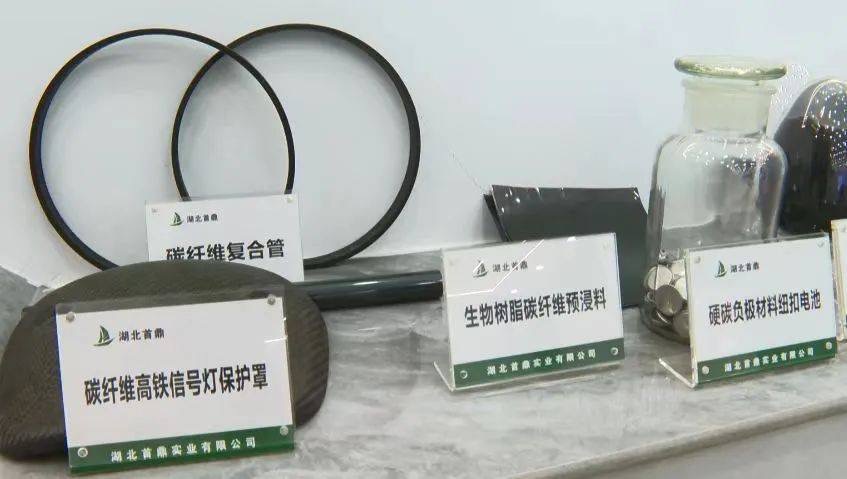
These materials can then be used to manufacture bioplastics, bio-based resins and other advanced materials. By replacing part of the petroleum-based feedstock with renewable non-food biomass, this approach reduces reliance on fossil resources while avoiding direct competition with food production.
One of the most direct applications is biodegradable bioplastics. The production process begins with the pretreatment and refining of reed biomass. Cellulose and hemicellulose are broken down into fermentable sugars, including glucose and xylose, which are then converted into lactic acid through microbial fermentation.
Using polymerisation technology, the lactic acid is transformed into polylactic acid (PLA), which can be processed into disposable tableware, agricultural mulch films and other plastic products. Under suitable conditions, PLA can biodegrade, offering an alternative to conventional petroleum-based plastics.
Cost competitiveness is essential to the wider adoption of biodegradable plastics. According to figures previously disclosed by the relevant companies, reed-based bioplastics can be priced at just over RMB 10,000 per tonne, compared with approximately RMB 40,000 per tonne for some conventional food-based bioplastics at the time of reporting.
This significant cost advantage could make bio-based plastics more accessible to the market. As production scales up, reed-derived materials have the potential to approach the price levels of conventional petroleum-based plastics, creating a more commercially viable pathway for reducing plastic pollution.
Beyond bioplastics, reeds also offer considerable potential in the production of high-performance materials. Through biomass refining, lignin can be extracted and converted into highly active enzymatically hydrolysed lignin, which serves as a feedstock for bio-based resins. Compared with conventional petroleum-derived epoxy resins, these bio-based alternatives can offer advantages in environmental performance and certain mechanical properties. According to company disclosures, the volatile organic compound emissions generated during the production of its bio-based epoxy resin are only 1% of the limit specified in the relevant national standard for epoxy resins, while carbon dioxide emissions can be reduced by more than 25%.
Bio-based resins can also be combined with carbon fibre to produce high-performance composite materials for applications in drones, aerospace, rail transportation, sporting goods and high-pressure composite cylinders. For example, the application of these materials in drones has reportedly improved overall structural performance by 12% and strength by 17% at the same take-off weight. In badminton rackets, the compressive strength of carbon-fibre composites made with bio-based resin can increase by 66%. Certain jointly developed hydrogen storage cylinders have also achieved explosion resistance 1.6 times and fatigue performance twice the levels required by national standards.
These applications demonstrate that reed-derived materials are no longer limited to low-value consumer products. They can enter advanced manufacturing supply chains, potentially replacing some petroleum-based resins and imported high-performance materials. This creates opportunities to reduce the fossil resource footprint of industrial production while strengthening the domestic supply of advanced materials.
The low-carbon value of reeds extends beyond individual products to the development of an integrated industrial chain, covering biomass collection, refining and downstream material manufacturing. Shishou, Hubei Province, is home to approximately 30,000 mu of reed wetlands. By attracting biotechnology and advanced materials companies, the city is transforming its reed resources into bioplastics, bio-based resins and other high-value products. Related companies have established pilot-scale biomass refining facilities and are expanding towards larger industrial production capacities. In Anxiang County, Hunan Province, a new ecological reed-based synthetic biology project with a planned annual capacity of 50,000 tonnes of new materials has also been launched.
The transformation of reeds illustrates how biotechnology can reshape the way natural resources are used in modern industry. By converting renewable biomass into biodegradable plastics, bio-based resins and advanced composite materials, this approach offers an alternative to conventional fossil-based manufacturing.
Source: sina, hubei gov cn, changde gov, kechuangfuwu, nyncj wuhan, cnhubei