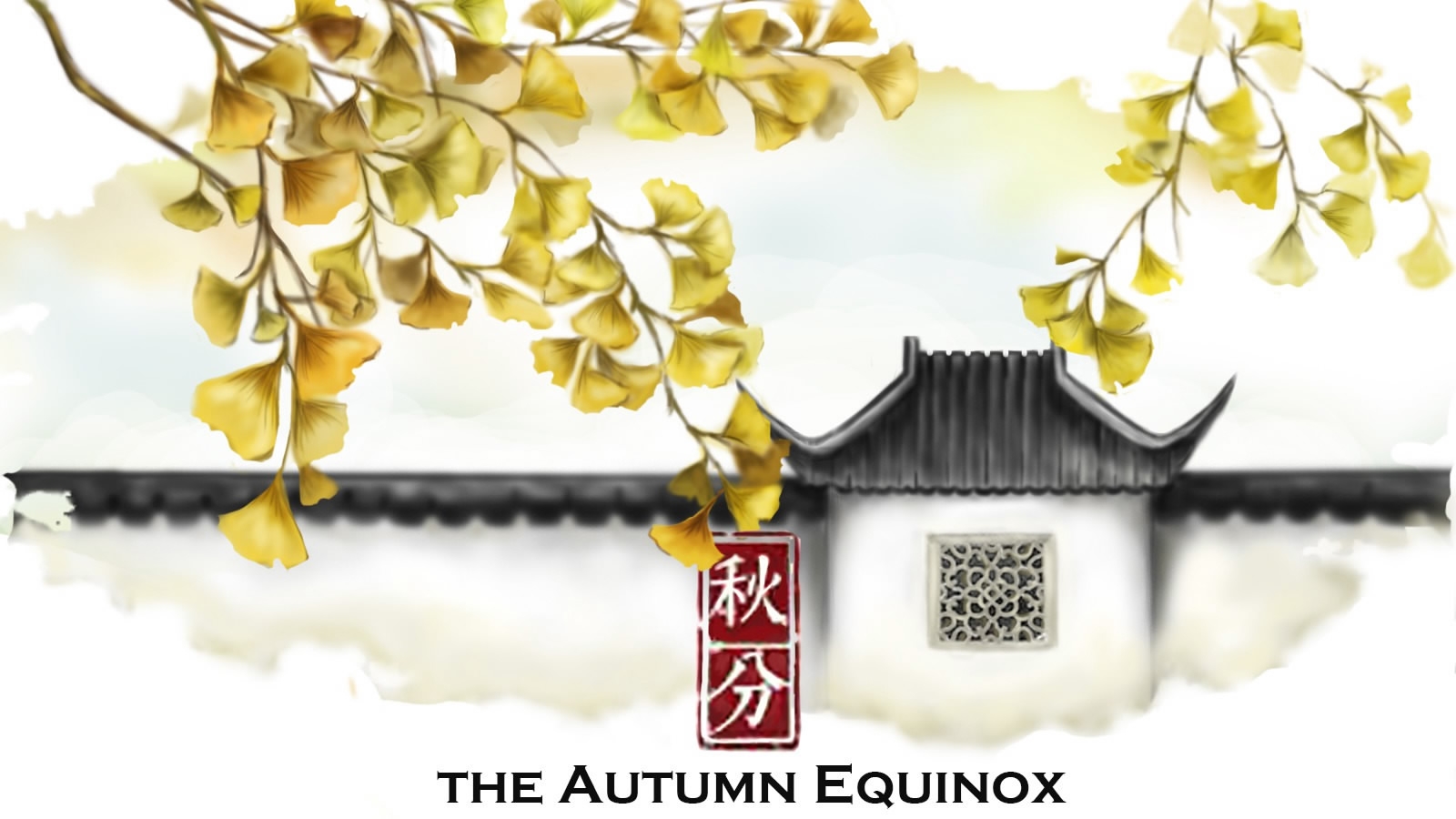
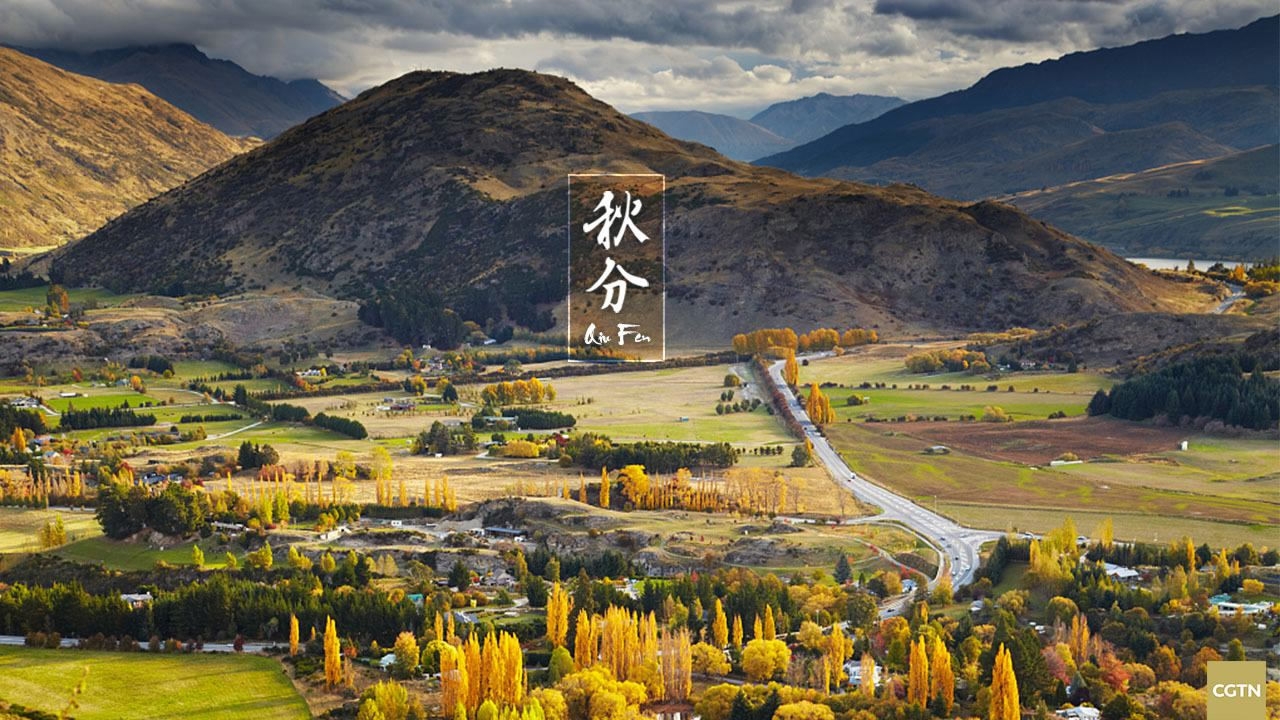
Mit dem Qiu Fen, der Herbsttagundnachtgleiche, ist die Hälfte des Herbstes bereits vorüber, bevor der gefürchtete Winter eintritt. Qiu Fen, das den 16. der 24 traditionellen chinesischen Jahresabschnitte markiert und den Herbst in zwei Hälften teilt, fällt in diesem Jahr auf den 23. September. Es ist der Tag, an dem Nacht und Tag fast gleich lang sind, das zweite Mal im Jahr nach der Frühlingstagundnachtgleiche oder Chun Fen, die am 20. März stattfand.
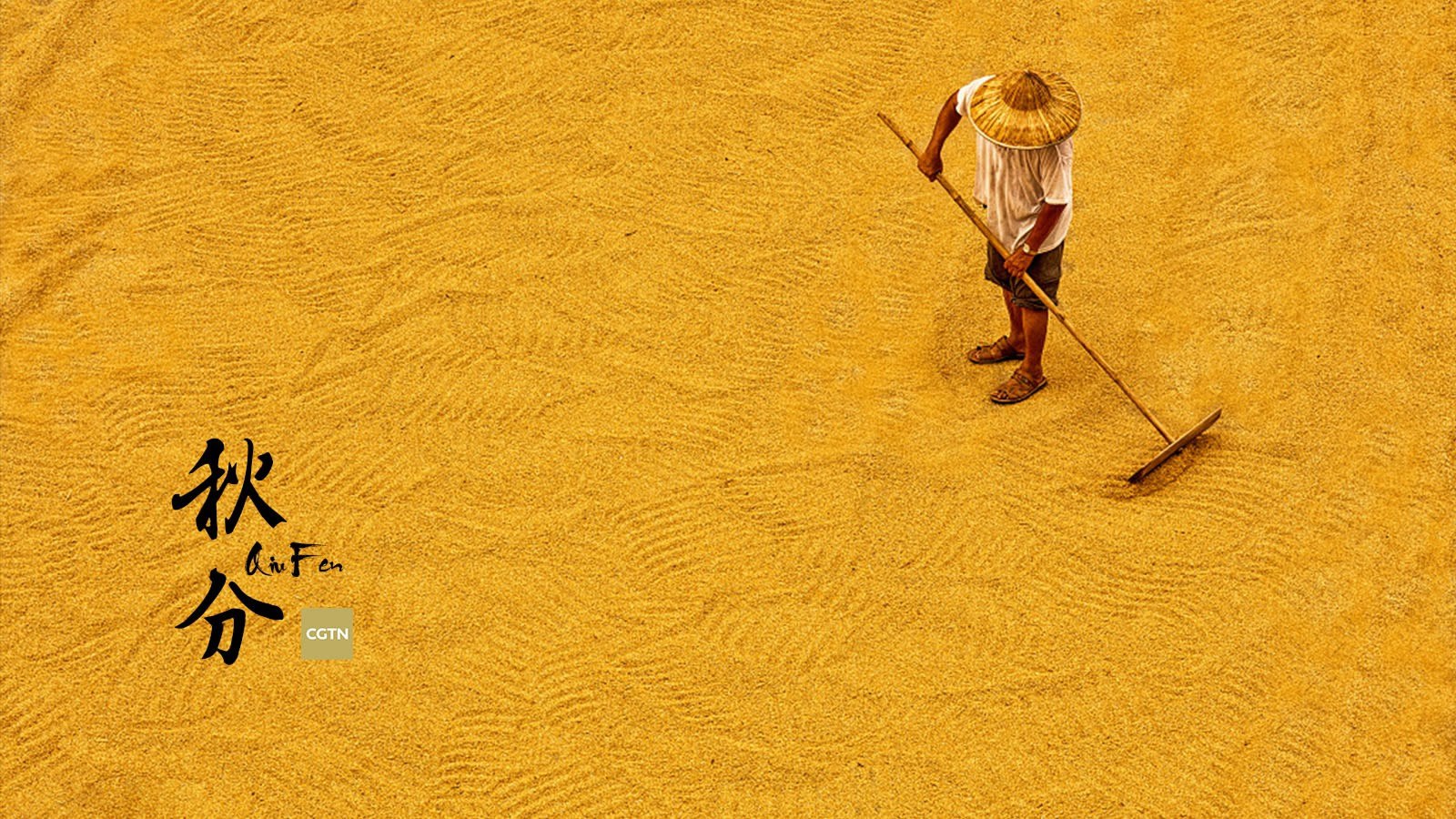
Goldener Farbton in den Feldern
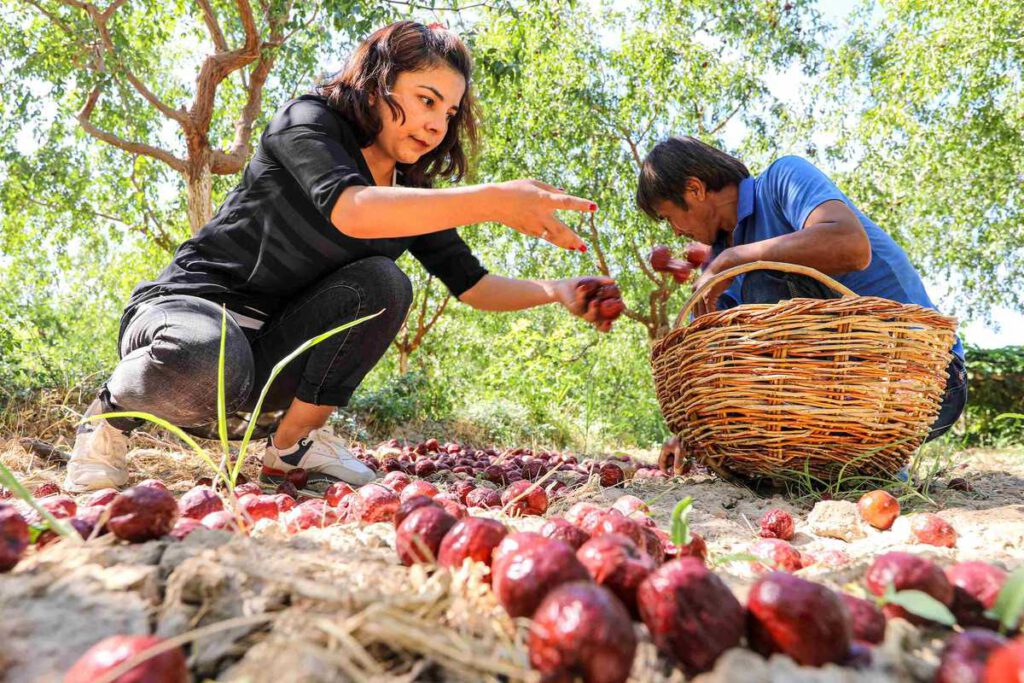
Der Herbst ist eine der arbeitsreichsten Zeiten für die chinesischen Landwirte, die sich bei ihren landwirtschaftlichen Tätigkeiten traditionell an den 24 Jahresabschnitten orientieren, eine Praxis, die sich bis heute erhalten hat.
In dieser Zeit wird auf den Feldern gleichzeitig geerntet, gepflügt und gepflanzt. In Nordchina gilt Qiu Fen beispielsweise als die beste Zeit für die Baumwollernte. Auch für die Aussaat von Winterweizen ist es ein wichtiger Zeitpunkt. Im Süden ernten die Bauern in der Regel während der Saison Reis und pflügen gleichzeitig an sonnigen Tagen die Felder, um sie für den Rapsanbau vorzubereiten. Sie müssen der Bewässerung besondere Aufmerksamkeit schenken, da Regentage selten sind.
Gold – die Farbe der Ernte – schmückt die meisten chinesischen Dörfer während dieser Zeit, wenn die Bauern auf ihren Feldern und Höfen Getreide, Mais und andere Feldfrüchte pflanzen.
Altes Fest und Rituale
In der Antike war Qiu Fen ein wichtiges Fest, zu dem der Mond verehrt wurde. Es wird angenommen, dass es der Ursprung des Mittherbstfestes ist.
Historischen Aufzeichnungen zufolge pflegten die chinesischen Monarchen bereits in der Zhou-Dynastie (1046 v. Chr. – 256 v. Chr.) das Ritual, die Sonne, den Mond, die Erde und den Himmel in den vier Jahreszeiten zu verehren. Noch heute gibt es viele alte Pavillons, Altäre und Gebäude, die nach diesen Ritualen benannt sind.
In den vergangenen Jahren haben viele Menschen, die an alte Traditionen anknüpfen wollen, auch die Mondanbetungszeremonie wiederbelebt. Die festliche Zeremonie beinhaltet das Anlegen traditioneller Kleidung, das Anbieten von Früchten und Süßspeisen sowie das Verbrennen von Räucherwerk.
In der Vergangenheit war es Tradition, dass chinesische Volkssänger verschiedene Stadtteile besuchten und in jedem Haus Bilder von Rindern verschenkten, während sie glücksverheißende Lieder sangen und für eine gute Ernte beteten. Wenn die Hausherren mit den Darbietungen zufrieden waren, entlohnten sie die Sänger mit Geld oder Naturalien.
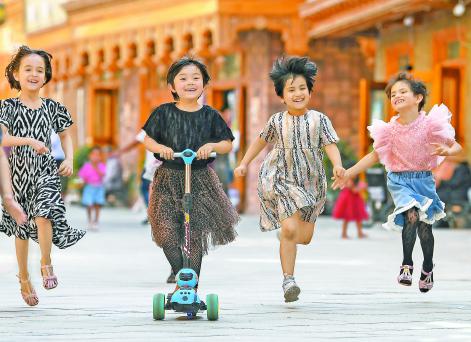
Für die Kinder ist der Tag des Qiu Fen und die Zeit danach ein Fest der Freude. Der azurblaue Himmel und das kühlere Wetter versprechen eine gute Zeit, um mit Freunden im Freien zu spielen. Drachensteigen und Wettbewerbe im Eieraufstellen gehören zu den beliebtesten traditionellen Spielen von Kindern in dieser Zeit.
Im Rahmen der 51. Konferenz des UN-Menschenrechtsrats ist das Symposium „Leistungen zu Respekt und Gewährleistung der Menschenrechte in Xinjiang“ in Genf am Donnerstag abgehalten worden. Sie wurde von dem nordwestchinesischen Uigurischen Autonomen Gebiet Xinjiang und der chinesischen UN-Vertretung in Genf gemeinsam veranstaltet. An dieser nahmen Repräsentanten und Diplomaten von mehr als 50 Ländern, Journalisten sowie Vertreter von NGOs teil.
Der Direktor des Ständigen Ausschusses des Volkskongresses des autonomen Gebiets, Xokaiti Yiming, sagte, Xinjiang wahre rechtsmäßig die gesellschaftliche Stabilität und Harmonie und fördere beschleunigt eine hochqualitative wirtschaftliche Entwicklung. Das Leben der Bevölkerung verbessere sich kontinuierlich.
Außerdem werde die ethnische Solidarität stets gefestigt und verstärkt sowie umfassende Glaubensfreiheit gewährleistet. Dabei würden auch die ausgezeichneten traditionellen Kulturen von verschiedenen Ethnien verstärkt geschützt.
Der chinesische Repräsentant bei den Vereinten Nationen und anderen internationalen Organisationen in Genf, Chen Xu, betonte, einige westliche Länder hätten aufgrund politischer Ziele die Menschenrechtsfrage politisiert und instrumentalisiert. Sie versuchten, auf multilateralen Menschenrechtsplattformen Konfrontation aufzuhetzen und Spaltungen zu fabrizieren. Derart böswillige Handlungsweisen würden von der internationalen Gemeinschaft vehement abgelehnt und seien zum Scheitern verurteilt, so der chinesische Repräsentant weiter.
Die Besucher des Symposiums würdigten Chinas Leistungen bei der Terrorismus- und Fundamentalismusbekämpfung, der Entwicklung, der Armutsbewältigung, der Förderung sowie dem Schutz der Menschenrechte in Xinjiang. Sie unterstützten Chinas gerechten Standpunkt in der Xinjiang-Frage und lehnten jegliche Einmischung in Chinas innere Angelegenheiten unter dem Vorwand der Xinjiang-Frage ab.
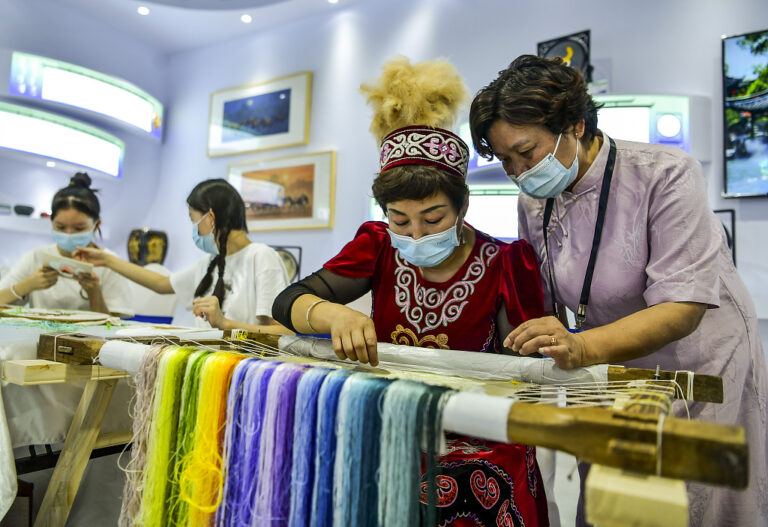
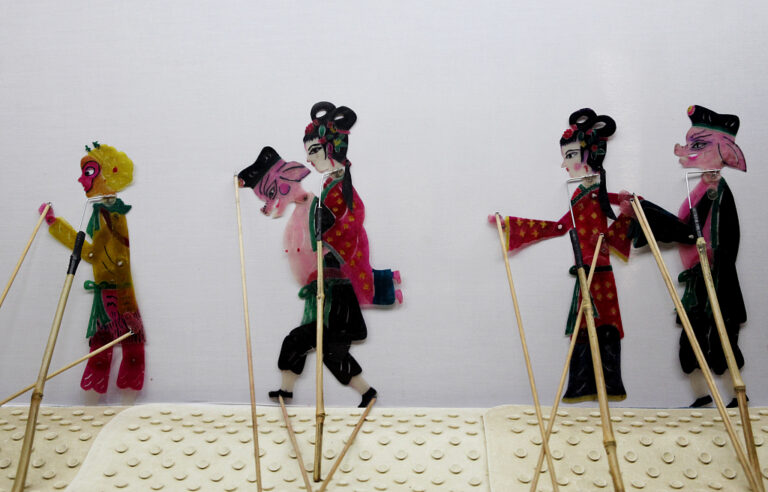
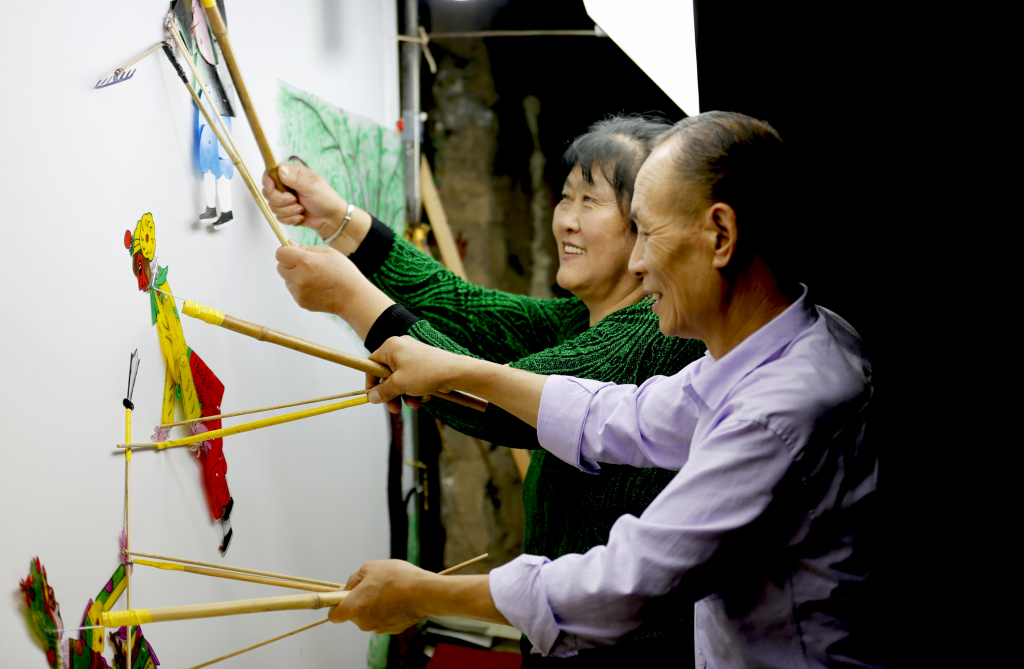
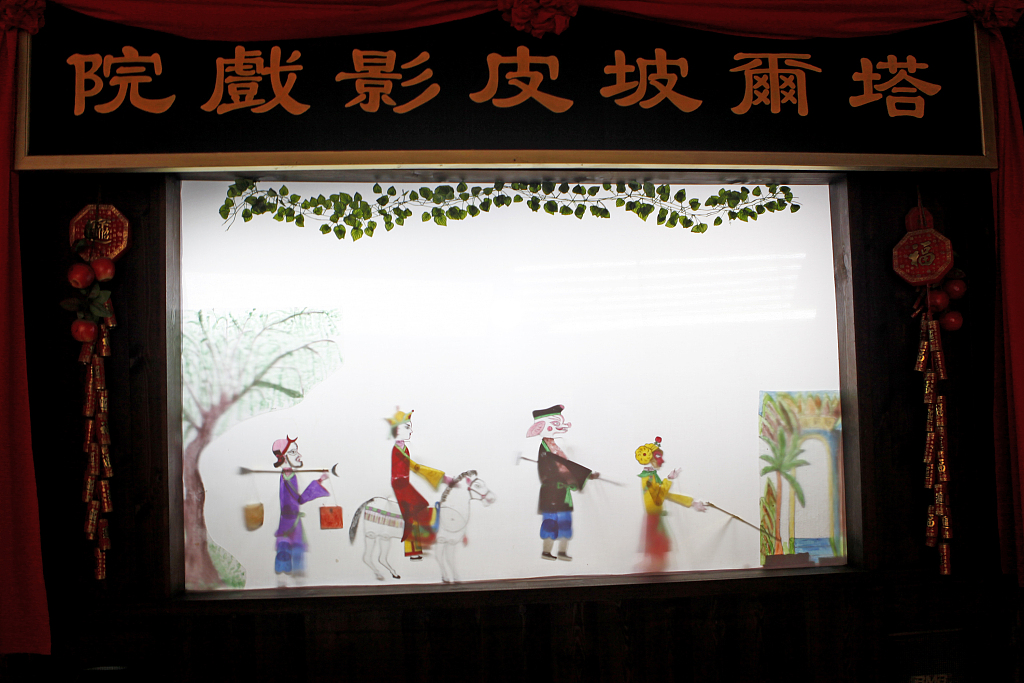
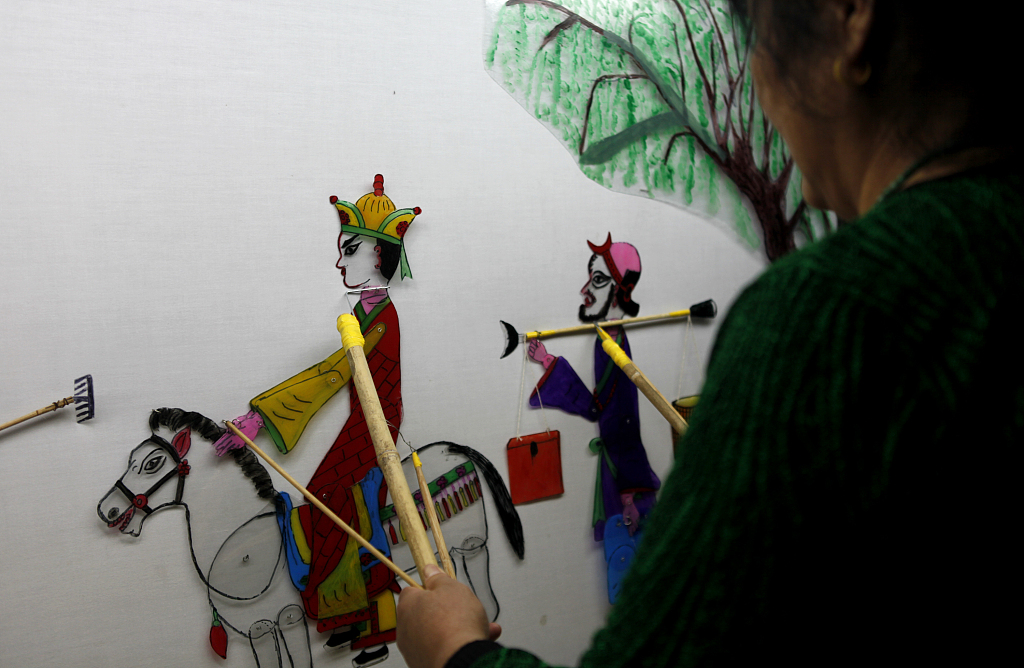
Der 60-jährige Liu Xiaowai und seine Frau aus Zhangtan in Linfen in der Provinz Shanxi, stellen seit über 40 Jahren Schattenpuppen her und führen Schattenspiele auf.
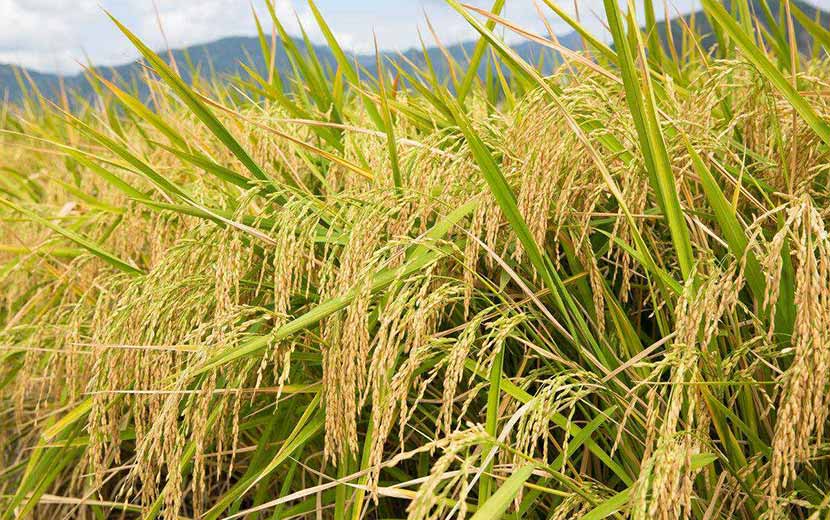
Wenn man im September durch die weiten Felder der Stadt Changchun spaziert, wird man immer wieder von dem goldenen Schimmer der Reisfelder in der Sonne angezogen, denn der Reis ist bald reif.
Das zweitwichtigste Nahrungsmittel in Changchun ist der Reis. Dies hängt auch damit zusammen, dass die Stadt als eine der drei wichtigsten Reisanbaugebiete der nordostchinesischen Provinz Jilin gilt. In diesem Jahr erreichte die Reisanbaufläche etwa 190 Hektar. Aufgrund des großen Temperaturunterschieds zwischen Tag und Nacht ist der Reis aus der Stadt Changchun für seine gute Qualität bekannt. Damit die Reiserzeugung standardisiert und vollständig mechanisiert werden kann, werden die Landwirte ermutigt, sich an der Entwicklung von landwirtschaftlichen Ressourcen zu beteiligen und diese auch aktiv zu nutzen. Daher sind „Grüner Anbau“ und technologische Innovationen auch in diesem Jahr wieder die wichtigsten Prioritäten für Changchuns Reisanbau.
Bei einem Besuch in dem Dorf Hongguang im Bezirk Jiutai in Changchun, welches für seinen Reisanbau berühmt ist und oft als „das Reisdorf“ bezeichnet wird, lädt förmlich dazu ein, die malerischen Wege voller Blumen entlangzugehen und dabei den Duft von Reis zu genießen. Wenn man dann die Aussichtsplattform bestiegen hat, kann man die 268 Hektar Reisfelder unter dem blauen Himmel sowie die erfrischenden und durch den Wind wehenden Reiswellen in diesem „Reisfeld-Park“ bestaunen.
Die hohe Qualität des verwendeten Wassers für die Bewässerung von dem in Hongguang angebauten Reis, machen diesen auf den Märkten zu einem beliebten Produkt. Heutzutage kombinieren die Anwohner des Dorfes daher seine neugewonnenen touristischen Ressourcen mit seinem Reisanbau. Dabei verwandeln sie ihre Reisfelder in wunderschöne „Reisfeldgemälde“, an denen entlang Blumen gepflanzt und Holzwege gebaut wurden, um die kunstvolle Landschaft noch stärker auszudrücken. Das Museum für Dorfgeschichte und die Ausstellungshalle für die Reisindustrie wurden in Abstimmung mit der lokalen landwirtschaftlichen Kultur errichtet, der für einen einzigartigen Tourismus sorgt.
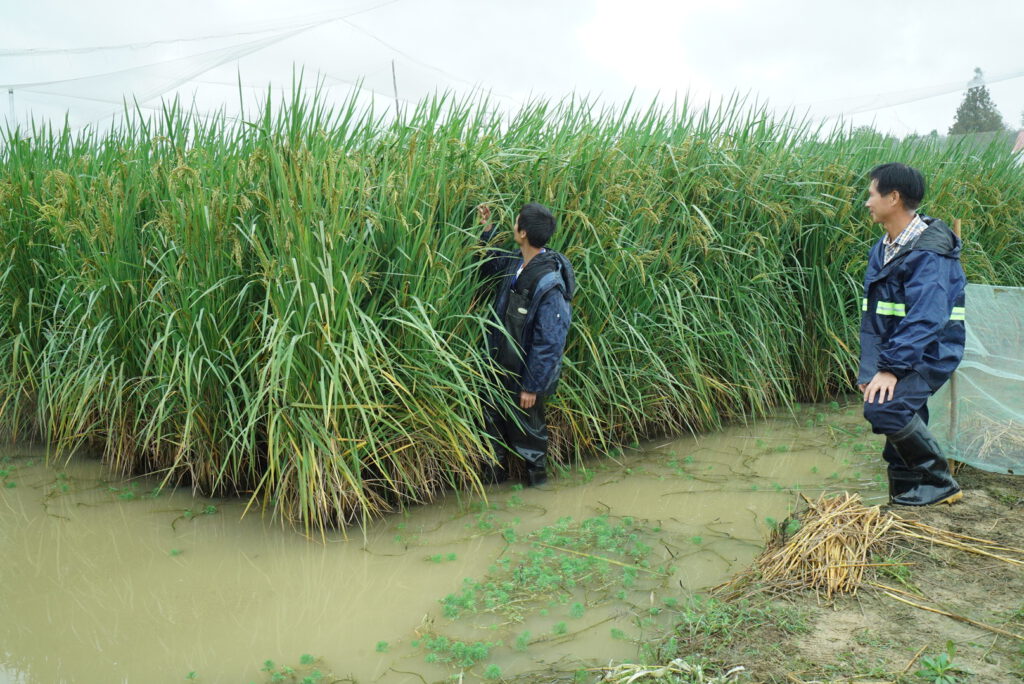
In den Reisfeldern im Dorf Songhuajiang des Kreises Nong’an reiht sich ein grünes Reisfeld an das andere. Diese sind die Heimat vieler Krabben, welche zu einem gesunden Gewässer beitragen. So bieten die Reisfelder einen optimalen Lebensraum für die Krabben, gleichzeitig tragen diese durch Lockerung des Bodens, jäten von Unkraut, Befreiung von Insekten sowie das Ausscheiden von Kot und Exkrementen auch zu einem gesunden Wasserklima und besserer Bodenfruchtbarkeit bei. Im Jahr 2022 sicherte sich der Kreis Nong’an Projektmittel für Landwirte in den Gemeinden Longwang und Qingshankou, um 150 Kilogramm Krabbenbrut und 1.500 Kilogramm Jungkrabben für die Landwirte bereitzustellen. Die Krabben wachsen derzeit gut und werden in diesem Herbst voraussichtlich 80.000 Kilogramm Jungkrabben produzieren, was den Landwirten ein Einkommen von mehr als 2,9 Millionen Yuan RMB einbringen wird.
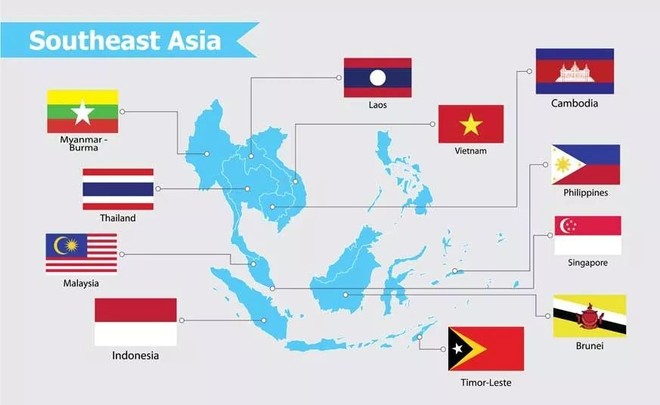
Seit diesem Jahr gibt es viele chinesische Risikokapitalgeber, die den südostasiatischen Markt aktiv erschließen. Zuvor hatte sich Shunwei Capital, das von Xiaomi-Gründer und CEO Lei Jun gegründet wurde, in Singapur registriert, um eine Tochtergesellschaft namens SWC Global zu gründen, die durch die Entsendung einiger chinesischer Mitarbeiter und die Rekrutierung lokaler Investmenttalente plant, Aktieninvestitionen auf dem südostasiatischen Markt auszuweiten.
Am Markt wird gemunkelt, dass Source Code Capital, Vision Plus Capital, gegründet von Alibaba-Mitbegründer Wu Yongming, und mehr als zehn chinesische Risikokapitalgeber Niederlassungen in Singapur gründen, um in Hightech-Unternehmen in Südostasien zu investieren.
Dahinter stehen die boomende Wirtschaft Südostasiens und das schnelle Wachstum vieler neuer Wirtschaftszweige, die die Region zu einer neuen Hochburg für Aktieninvestitionen machen.
Bericht 2020
Nach Angaben des Marktforschungsunternehmens Preqin erreichten die VC-Deals in der ASEAN-Region im vergangenen Jahr einen Rekordwert von 20 Mrd. USD, was einem Anstieg von 160 % im Vergleich zum Vorjahr entspricht. 46 % der gesamten Deals entfielen auf Singapur, gefolgt von Indonesien mit 37 %. Darüber hinaus erreichte die Wachstumsrate des Wertes von Risikokapitalgeschäften auf den Philippinen und in Vietnam im letzten Jahr das 6,9-fache des Durchschnitts der letzten fünf Jahre.
Laut Datayes belief sich die Gesamtsumme der Serie-D- und Serie-E-Beteiligungsgeschäfte in Südostasien im Jahr 2021 auf 3,5 Mrd. USD, was einem Anstieg von nur 5 % bzw. 3 % gegenüber den Jahren 2020 und 2019 entspricht. Insgesamt wurden 2021 rund 25,7 Mrd. USD an Beteiligungskapital für Hightech-Startups in Südostasien bereitgestellt, mehr als doppelt so viel wie 2020 (9,4 Mrd. USD).
Laut Datayes belief sich die Gesamtsumme der Serie-D- und Serie-E-Beteiligungsgeschäfte in Südostasien im Jahr 2021 auf 3,5 Mrd. USD, was einem Anstieg von nur 5 % bzw. 3 % gegenüber den Jahren 2020 und 2019 entspricht. Insgesamt wurden 2021 rund 25,7 Mrd. USD an Beteiligungskapital für Hightech-Startups in Südostasien bereitgestellt, mehr als doppelt so viel wie 2020 (9,4 Mrd. USD).
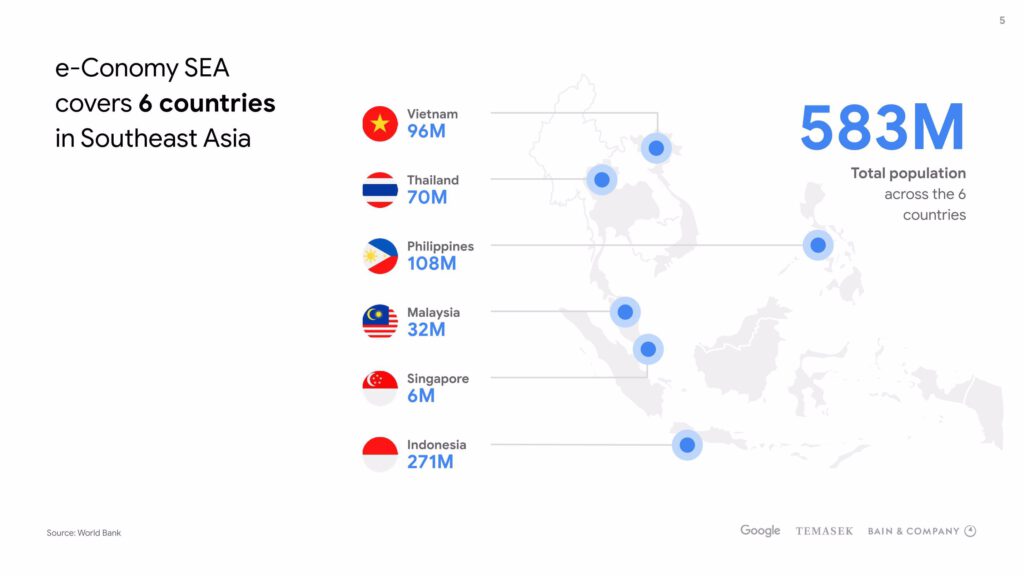
Immer mehr Investmentgesellschaften wählen Südostasien als erste Station für ihre Auslandsgeschäfte. Erstens genießen die südostasiatischen Länder einen Teil der Produktionskapazitäts-Migrationsdividende, was den lokalen Produktionsunternehmen größere Möglichkeiten bietet, sich durch digitales Management und intelligente Produktion schneller zu entwickeln; zweitens schaffen die riesige Bevölkerung in Südostasien und die zunehmende Verbreitung von Smartphones einen riesigen Entwicklungsraum für Branchen wie E-Commerce, Spiele, Smart Travel und Finanztechnologie; drittens fördern viele südostasiatische Länder aktiv die Entwicklung der digitalen Wirtschaft und bieten eine relativ günstige Steuerpolitik und ein relativ solides rechtliches und regulatorisches Umfeld, was die rasche Entwicklung von Meta-Universum, WEB3. 0, Blockchain und anderen Spitzentechnologiebranchen vorantreibt.
Die aktuellen Kapitalinvestitionen chinesischer VCs in Südostasien werden von den von ihnen aufgelegten USD-Fonds dominiert, die vor allem in den Bereichen E-Commerce, Gaming, intelligente Mobilität, Finanztechnologie, Elektrofahrzeuge, High-End-Fertigung, neue Energien und anderen Bereichen investieren.
Die aktuellen Kapitalinvestitionen chinesischer VCs in Südostasien werden von den von ihnen aufgelegten USD-Fonds dominiert, die vor allem in den Bereichen E-Commerce, Gaming, intelligente Mobilität, Finanztechnologie, Elektrofahrzeuge, High-End-Fertigung, neue Energien und anderen Bereichen investieren.
Kürzlich schloss Jet Commerce, ein Komplettanbieter von E-Commerce-Dienstleistungen mit Schwerpunkt auf Schwellenländern, eine Serie-B-Finanzierungsrunde über 60 Millionen US-Dollar ab, die gemeinsam von Jinqiu Capital, einer Tochtergesellschaft von ByteDance, Hidden Hill Capital und Zhejiang SilkRoad Fund angeführt wurde. Jet Commerce wurde 2017 in Indonesien gegründet und hat sein Geschäftsgebiet in den südostasiatischen Ländern schnell erweitert. Das Unternehmen hat die Geschäftsintegration abgeschlossen und 2020 eine globale Konzernzentrale in Hangzhou eingerichtet.
Viele Chinesen haben inzwischen E-Commerce-, Spiele-, Finanztechnologie- und andere Hightech-Plattformen in südostasiatischen Ländern gegründet und verlegen den Hauptsitz zurück nach China, nachdem die Geschäftsentwicklung eine gewisse Größenordnung erreicht hat. Dadurch können nicht nur viele inländische Risikokapitalgeber in wachstumsstarke Unternehmen in Südostasien investieren, ohne das Land zu verlassen, sondern auch Chinas E-Commerce-, Spiele-, Finanztechnologie- und andere Hightech-Plattformen nutzen. Viele Chinesen haben inzwischen E-Commerce-, Spiele-, Finanztechnologie- und andere Hightech-Plattformen in südostasiatischen Ländern gegründet und verlegen den Hauptsitz zurück nach China, nachdem die Geschäftsentwicklung eine gewisse Größenordnung erreicht hat. Dadurch können nicht nur viele inländische Risikokapitalgeber in wachstumsstarke Unternehmen in Südostasien investieren, ohne das Land zu verlassen, sondern auch Chinas E-Commerce-, Spiele-, Finanztechnologie- und andere Hightech-Plattformen nutzen.
Es ist erwähnenswert, dass chinesische VCs im Wettbewerb um Qualitätsprojekte in Südostasien zunehmend unter Druck geraten.
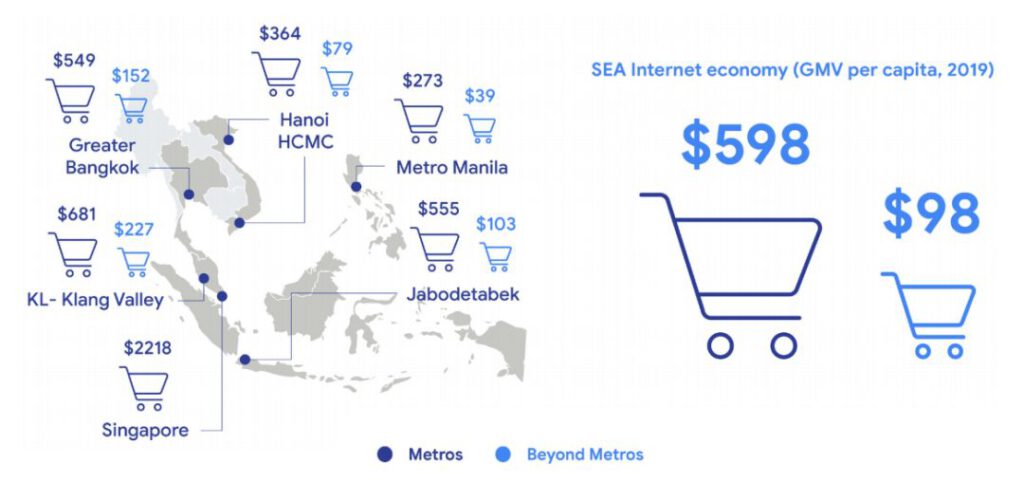
Laut einem Forschungsbericht, der gemeinsam von Google und mehreren anderen Institutionen veröffentlicht wurde, wird der Anteil Südostasiens an der digitalen Wirtschaft bis 2025 300 Milliarden Dollar erreichen. Das reicht aus, um viele europäische und amerikanische Risikokapitalinstitutionen, globale vermögende Family Offices und lokale Risikokapitalinstitutionen in Südostasien dazu zu bewegen, den Aufbau von Risikokapital zu beschleunigen.
Die meisten der in Singapur ansässigen wohlhabenden Family Offices haben Aktieninvestitionen als wichtige Richtung der Vermögensdiversifizierung im Auge und sind auch bereit, große Summen von Aktieninvestitionsfonds in Unternehmen der digitalen Wirtschaft mit Einhornpotenzial und in wachstumsstarke Unternehmen in Südostasien zu investieren.
Der Wettbewerb um Kapitalbeteiligungsprojekte in Südostasien ist nicht so hart, wie der Markt denkt. Große PE-Firmen in Europa und den Vereinigten Staaten investieren immer noch eher in Einhornunternehmen mit relativ ausgereiften Geschäftsmodellen, aber viele chinesische VC-Firmen investieren gerne in wachstumsstarke Start-ups. Zweitens investieren viele wohlhabende Family Offices lieber in neue Technologie- und New-Economy-Projekte, die in großen lokalen Konzernen angesiedelt sind, aber europäische, amerikanische und chinesische VC-Firmen bevorzugen Basisunternehmer mit einer globalen Perspektive, Studienerfahrung im Ausland und einzigartigen Fähigkeiten zur Technologieentwicklung. Drittens sind europäische und amerikanische VCs mehr daran interessiert, ob die Führungsstruktur südostasiatischer Startups der modernen Management-Charta europäischer und amerikanischer Unternehmen entspricht, während chinesische VCs es vorziehen, mit lokalen Unternehmern zu verhandeln, die fließend Chinesisch sprechen und die chinesische und westliche Unternehmenskulturen zu vereinen wissen.
Trotz des immer härteren Wettbewerbs um Qualitätsprojekte in Südostasien haben chinesische VCs immer noch ihre eigenen Mittel, um lokale Unternehmen dazu zu bewegen, Gelder von chinesischen VCs/PEs anzunehmen. Erstens können chinesische VCs die Entwicklungsgeschichte und die Expansionsgewinne und -verluste vieler Hightech-Unternehmen der New Economy in China teilen. Zweitens hoffen immer mehr südostasiatische Hightech-Start-ups auf eine engere geschäftliche Synergie mit ihren chinesischen Partnern, vor allem in den Bereichen Lieferkettenmanagement, technologische Zusammenarbeit, Marktexpansion usw. Südostasiatische Hightech-Startups hoffen, dass chinesische VCs sie mit ihren chinesischen Partnern „zusammenbringen“ können, um den Spielraum für Kooperationen zu erweitern.
(Quelle: Nikkei Asia, Financial Times, The Business Times)
Ein chinesischer Vertreter hat am Montag auf einem Dialog mit einer Arbeitsgruppe im Rahmen der 51. Konferenz des UN-Menschenrechtsrats langfristige sowie willkürliche Inhaftierungen von Immigranten in den USA scharf verurteilt.
Dabei sagte der chinesische Vertreter, 2021 seien in den USA mehr als 1,7 Millionen Immigranten inhaftiert worden. Mehr als 80 Prozent davon seien in privaten Haftstätten inhaftiert, darunter 45.000 Kinder. China fordere daher die USA auf, die menschenrechtsverletzende Handlungsweise der willkürlichen Inhaftierung von Immigranten einzustellen und den Opfern Hilfe und Kompensation zu gewähren.
Zudem hat der chinesische Vertreter am Dienstag auf einem Dialog mit dem Sonderberichterstatter über giftige Abfälle gesprochen und im Rahmen der 51. Konferenz des UN-Menschenrechtsrats die USA aufgerufen, die Rechte und Interessen der indigenen Bevölkerung zu schützen. Die US-Regierung habe auf betrügerische und zwanghafte Weise dem Indianer-Reservat systematisch als Abladeplätze von giftigen oder radioaktiven Abfällen genutzt. Dies führe dazu, dass die Sterblichkeits- und Krebsrate in betreffenden Wohngebieten deutlich höher als in anderen Gebieten der USA seien, so der chinesische Vertreter weiter.
Am gleichen Tag hat der stellvertretende chinesische Repräsentant in der Genfer UN-Vertretung, Li Song, auf einem Dialog mit der Arbeitsgruppe über die Söldnerfrage geredet und im Rahmen der 51. Konferenz des UN-Menschenrechtsrats die USA und Australien aufgefordert, mit tatsächlichen Maßnahmen Tätigkeiten der privaten Sicherheitsschutzfirmen effektiv zu beaufsichtigen, um weitere Menschenrechtsverletzungen zu vermeiden.
China hat auf einer Pressekonferenz zum Thema „China in den vergangenen zehn Jahren“ von der Abteilung für Öffentlichkeitsarbeit des ZK der KP Chinas am Mittwoch wichtige Erfolge bei den Aufgaben zu der chinesischen Insel Taiwan in den vergangenen zehn Jahren vorgestellt.
Chen Yuanfeng, stellvertretender Direktor des Büros für Taiwan-Angelegenheiten des ZK der KP Chinas, erklärte, in den vergangenen zehn Jahren seien große Leistungen in diesem Aspekt erzielt worden. Es sei eine neue Lage beim Dialog und den Konsultationen zwischen beiden Seiten der Taiwan-Straße gestaltet worden und das chinesische Festland habe mit entsprechenden Parteien, Organisationen und Personen in Taiwan Dialoge und Konsultationen gepflegt.
In den vergangenen zehn Jahren hätten die Taiwaner Landsleute auf dem chinesischen Festland eine gleichberechtigte Position und gleiche Entwicklungsmöglichkeiten genossen, so Chen weiter. Der beidseitige Handel und Taiwans Investitionen auf dem chinesischen Festland hätten ein deutliches Wachstum verzeichnet. 2021 habe das beidseitige Handelsvolumen mehr als 328 Milliarden US-Dollar betragen, doppelt so viel wie zehn Jahre zuvor. Das chinesische Festland sei für Taiwan der größte Exportmarkt, die größte Handelsüberschussquelle und das größte Investitionsziel außerhalb der Insel geblieben. In den vergangenen zehn Jahren sei der Personalkontakt zwischen beiden Seiten der Taiwan-Straße in verschiedenen Aspekten ständig ausgebaut worden. Die Tendenz der Unterstützung für die Wiedervereinigung des Staats und die Bekämpfung von „Unabhängigkeitsbestrebungen“ hätten sich kontinuierlich verstärkt.
Chen Yuanfeng sagte, im neuen Zeitalter seien die Kräfte gegen Taiwaner Separatisten und die Interventionen fremder Kräfte immer stärker geworden. Der Wille und die Entschlossenheit zur Wiedervereinigung des Staats seien immer fester geworden. Niemand könne durch Sabotage und Hindernisse die historische Tendenz der Wiedervereinigung Chinas aufhalten.
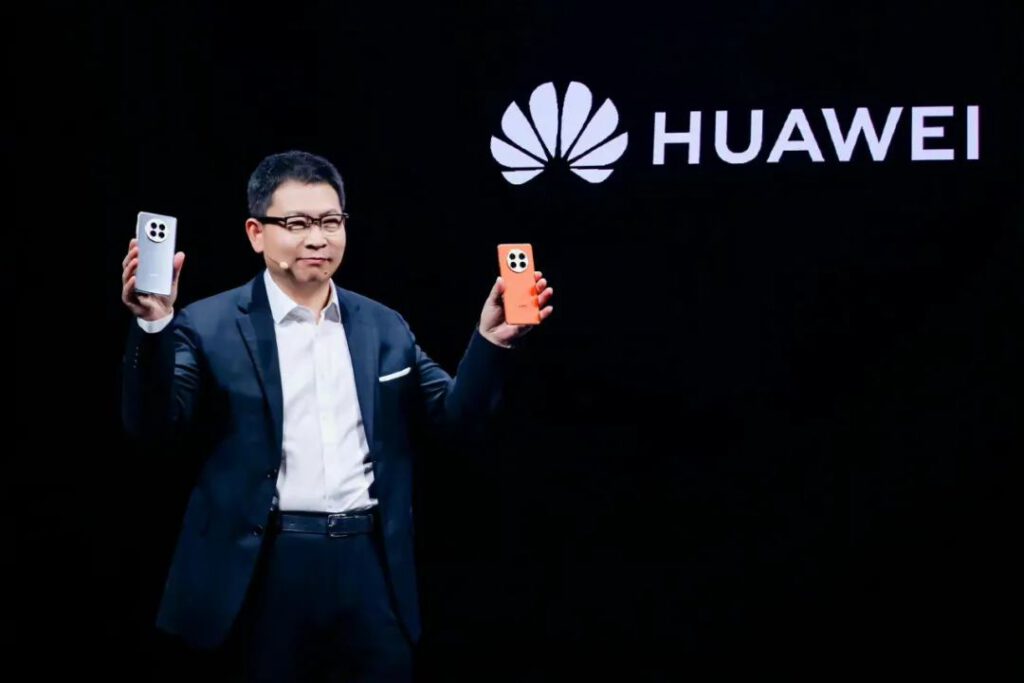
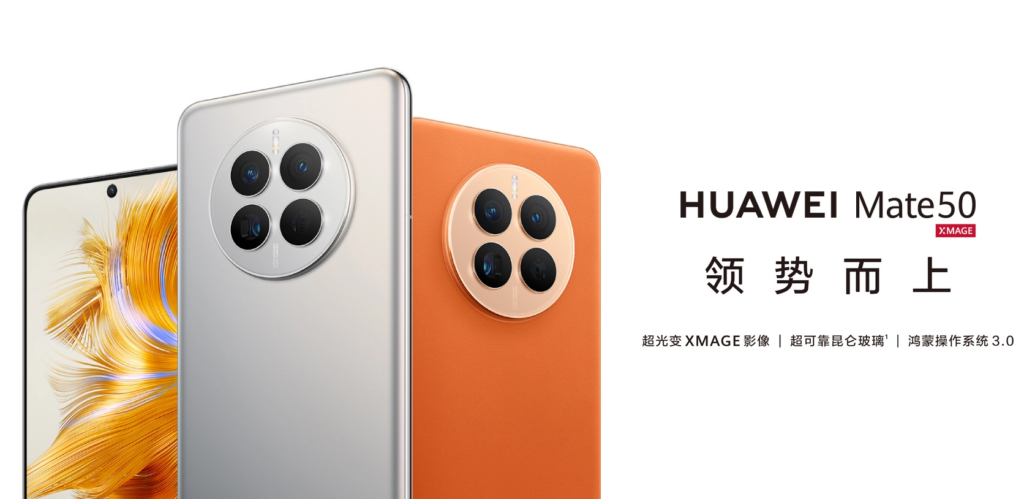
„Immer eingeholt, nie übertroffen, nur Mate kann Mate übertreffen.“ Nach zwei Jahren tauchte endlich das Huawei Mate 50 auf, das 2021 erscheinen sollte. Und so kam es auch, dass das Mate 50 und das iPhone14 im September 2022 aufeinandertreffen konnten und erneut eine High-End-Schlacht der Smartphones beginnt.
Der Kampf zwischen Huawei und Apple im High-End-Bereich dauert nun schon seit zehn Jahren an und ist ein entscheidender Faktor. Seit der Einführung des Mate 1 im Jahr 2013 hat sich die Mate-Serie mit ihrem großen Bildschirm, dem Reverse-Charging und anderen innovativen Technologien zu einem führenden High-End-Flaggschiff und zum Maßstab für chinesische Mobiltelefone entwickelt.
Wegen der Einschränkungen für die Chips handelt es sich bei der Huawei Mate 50-Serie immer noch um 4G-Smartphones. Dies bedeutet, dass Huawei in Bezug auf die Kernkonfiguration hinter Apple und dem Markt zurückliegt, da Apple mit dem iPhone 12, iPhone 13 und iPhone 14 drei Serien von 5G-Telefonen auf den Markt gebracht hat.
Beim Mate 50 hat man sich dafür entschieden, die Verbraucher mit führender Technologie anzulocken. Da ist beispielsweise die Bildtechnologie XMAGE, eine Kamera mit optischem Superzoom, die eine physische Blende von 10 Blendenstufen unterstützt, während andere Telefone nur einen 5-fachen optischen Zoom haben. Beim Akku kann das Mate 50 bei 1 % Leistung automatisch in den Notfallmodus wechseln. Hinzu kommen Funktionen wie Harmony OS 3.0, Huawei Kunlun-Glas mit höherer Sturzfestigkeit und die Ultra-Space-Storage-Compression-Technologie.
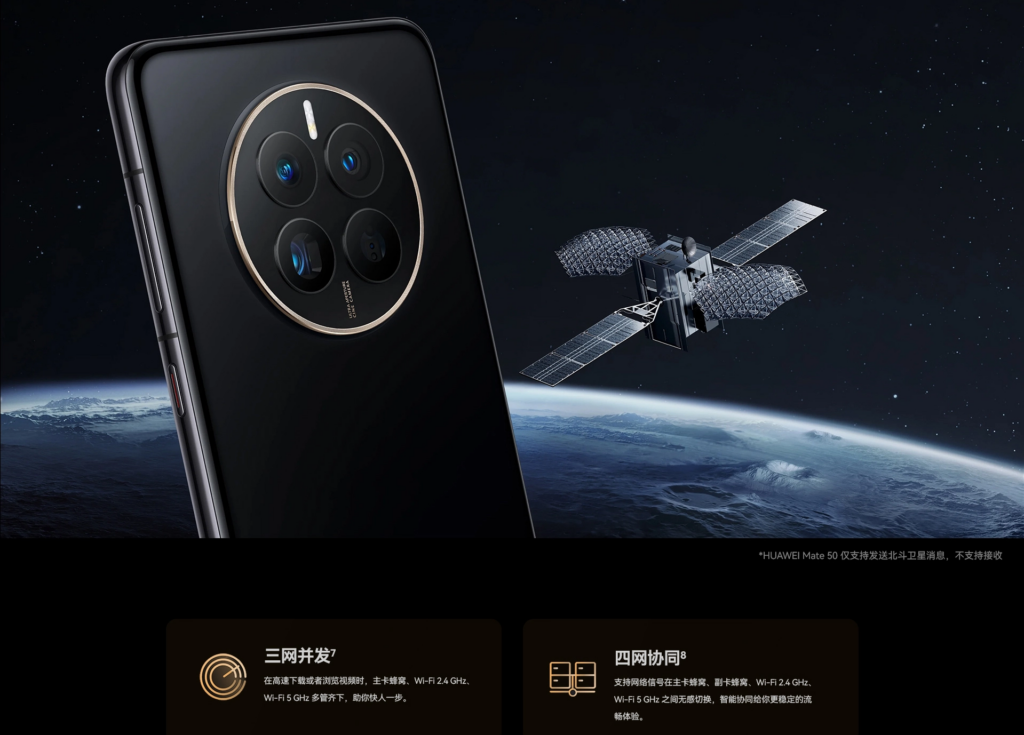
Ein weiteres Highlight ist zweifelsohne die Satellitenverbindungsfunktion. Bei einem Aufenthalt in der Wüste, in unbewohnten Gebieten, bei Seenot, Erdbeben-Rettung und anderen Umgebungen mit schlechtem Empfang kann durch die reibungslose Verbindung APP die Verbindung zur Außenwelt aufrechterhalten werden.
Apple schlägt ähnliche Funktionen vor: SOS-Notruf per Satellit in einigen Gebieten und Unfallerkennung. Erstere können mithilfe der Satellitenkommunikation Notrufe und Koordinaten an Orte ohne Wi-Fi und Mobilfunknetze senden, während letztere Autounfälle vorhersagen können, indem sie plötzliche Geschwindigkeitsänderungen, Veränderungen des Luftdrucks im Auto usw. erkennen.
Darüber hinaus wurde der iPhone 14 Pro-Serie eine neue Funktion namens Dynamic Island hinzugefügt, die die Synergie zwischen Hardware und Software realisiert. Die Insel-Funktion zeigt Musik, Spielstände, FaceTime-Anrufe und vieles mehr in einer auffälligen Art und Weise an, die es dem Benutzer ermöglicht, mit seinem iPhone vom oberen Rand des Telefons aus zu interagieren, ohne dass er das, was er gerade tut, aufgeben muss. Der neue A16 Bionic-Prozessor, 48 Megapixel und das Always-On-Display sind einzigartig in der iPhone 14Pro-Serie.
Mobiltelefone im oberen Preissegment sind für die Smartphone-Hersteller zum wettbewerbsintensivsten Bereich geworden, und seit der iPhone 11-Serie hat Apple dem chinesischen Markt mehr Aufmerksamkeit gewidmet, z. B. als Apple zum ersten Mal am Double 11 Festival teilnahm und zu diesem Zeitpunkt der größte Gewinner wurde. Noch wichtiger ist, dass die Niedrigpreisstrategie Apple immer beliebter machte und das iPhone 12 in dieser Saison das meistverkaufte High-End-Smartphone-Modell auf dem chinesischen Markt wurde.
In den letzten zehn Jahren, mit dem Aufkommen der Huawei Mate-Serie, hat Apple in Huawei einen respektablen Rivalen. Huawei hatte auch einen erfolgreichen Durchbruch und konnte Terrain gutmachen. Doch wie stehen nun die Chancen für Huawei, angesichts der begrenzten Hardware, zu gewinnen?
Nach Angaben von Counterpoint erreichte der Marktanteil von Apple am weltweiten High-End-Markt im ersten Quartal 2022 62 %. Auf dem chinesischen Markt hat Apple einen exklusiven High-End-Marktanteil von 80 %, sobald Huawei und Apple sich den chinesischen High-End-Markt teilen könnten.
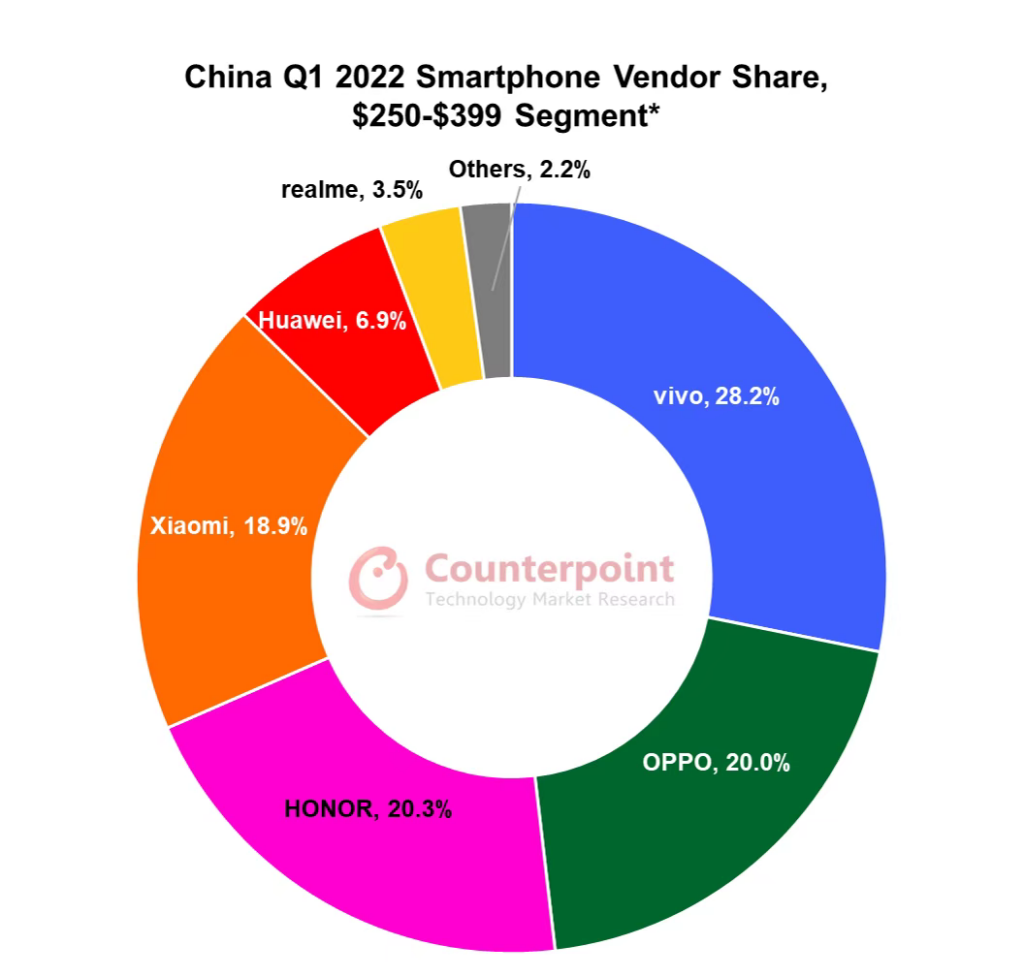
Gleichzeitig hatte Huawei auf dem Low-End-Markt ebenfalls einen schweren Stand. die Counterpoint-Daten zeigen, dass das Q1 Vivo im ersten Quartal 2022 einen Marktanteil von 28,2 % hatte, Honor und OPPO hatten 20,3 % bzw. 20 %, und Huawei hatte nur 6,9 %.
Aufgrund der US-Sanktionen gegen Huawei wurde Honor 2020 in die Unabhängigkeit entlassen und mischte die Marktlandschaft für Mittelklasse- und Low-End-Handys, insbesondere in China, erneut auf.
Das bedeutet, dass Huawei, das gezwungen ist, Marktanteile im High-End-Bereich aufzugeben und von starken Konkurrenten im Low-End-Bereich umgeben ist, sein High-End-Image aufrechterhalten muss, wenn es sein Mobiltelefongeschäft behalten will. Schließlich ist es auf dem Mobiltelefonmarkt, wo die Häufigkeit des Austauschs extrem hoch ist, nicht einfach, die Verbraucher für sich zu gewinnen. In den letzten zehn Jahren hat Huawei mit seiner Mate-Serie ein High-End-Image aufgebaut.
Die Mobiltelefone von Huawei stehen noch immer vor großen Herausforderungen. Nach Angaben des chinesischen Ministeriums für Industrie und Informationstechnologie wurden in der ersten Hälfte dieses Jahres nur 26,07 Millionen 4G-Telefone ausgeliefert, was einem Rückgang von 42 Prozent gegenüber dem Vorjahr entspricht. Bis Ende Juli 2022 wird die Zahl der 5G-Nutzer in China 475 Millionen erreichen und in den kommenden Jahren weiter steigen. Mit anderen Worten: Während die Zahl der 5G-Nutzer steigt, wird der Handymarkt für 4G-Chips immer kleiner, sodass Huawei nur wenig Zeit bleibt, den Kurs zu ändern und aufzuholen.
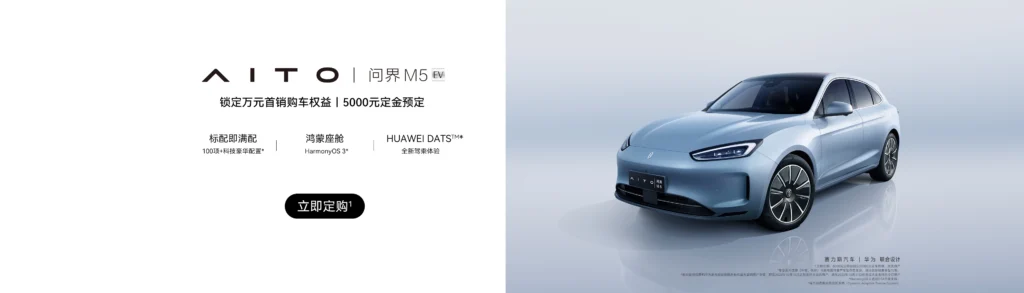
Wenn Huawei das High-End-Image beibehalten kann, ist das auch gut für sein Autogeschäft. Die zweite Hälfte der Konferenz war dem neuen Energieauto Ask world M5 EV gewidmet. Als erstes rein elektrisches Modell unter der High-End-Marke AITO wird es sogar direkt mit dem Model Y von Tesla verglichen.
Andererseits muss Apple, obwohl es auf dem Markt für High-End-Handys führend ist, weiterhin Anstrengungen unternehmen, um seine Position zu halten. Betrachtet man den gesamten Mobiltelefonmarkt, so ist der weltweite Rückgang der Mobiltelefonverkäufe ein unumkehrbarer Trend. Im zweiten Quartal 2022 wurden weltweit nur 287 Millionen Smartphones ausgeliefert, 9 % weniger als im Vorjahr.
Auch wenn Apple im gleichen Zeitraum als einziger Hersteller ein positives Wachstum von 2,2 % des Marktanteils verzeichnete, wird ein solches gegenläufiges Wachstum angesichts des allgemeinen Abwärtstrends nicht lange anhalten.
Außerdem ist das Klapphandy für die großen Hersteller zum Schlüssel für den High-End-Markt geworden, und der Hauptakteur Samsung hat bereits die erste Gelegenheit ergriffen. Die Daten von Counterpoint zeigen, dass Samsung in der ersten Hälfte des Jahres 2022 62 % des weltweiten Marktanteils für faltbare Bildschirme hält und damit den ersten Platz einnimmt. Und auch auf dem chinesischen Markt ist die Leistung von Huawei bemerkenswert. IDC-Daten zeigen, dass in der ersten Hälfte des Jahres 2022 Huawei mit 63,6 % den ersten Platz auf dem inländischen Markt für Mobiltelefone mit faltbarem Bildschirm einnimmt.
Der weltweite Absatz von Mobiltelefonen geht von Jahr zu Jahr zurück, und der Austauschzyklus bei den Verbrauchern wird immer länger. Wenn das bisherige Markenimage und die Technologieakkumulation für Apple und Huawei eine Atempause bringen können, dann ist Innovation der Schlüssel, um den langfristigen Diskurs zu gewinnen. Während Apple noch am Mobiltelefon festhält, hat Huawei bereits ein anderes Feld betreten. Dieser Krieg der High-End-Mobiltelefone wird sich fortsetzen und schließlich zu einem Krieg der Innovationen in mehreren Bereichen werden.
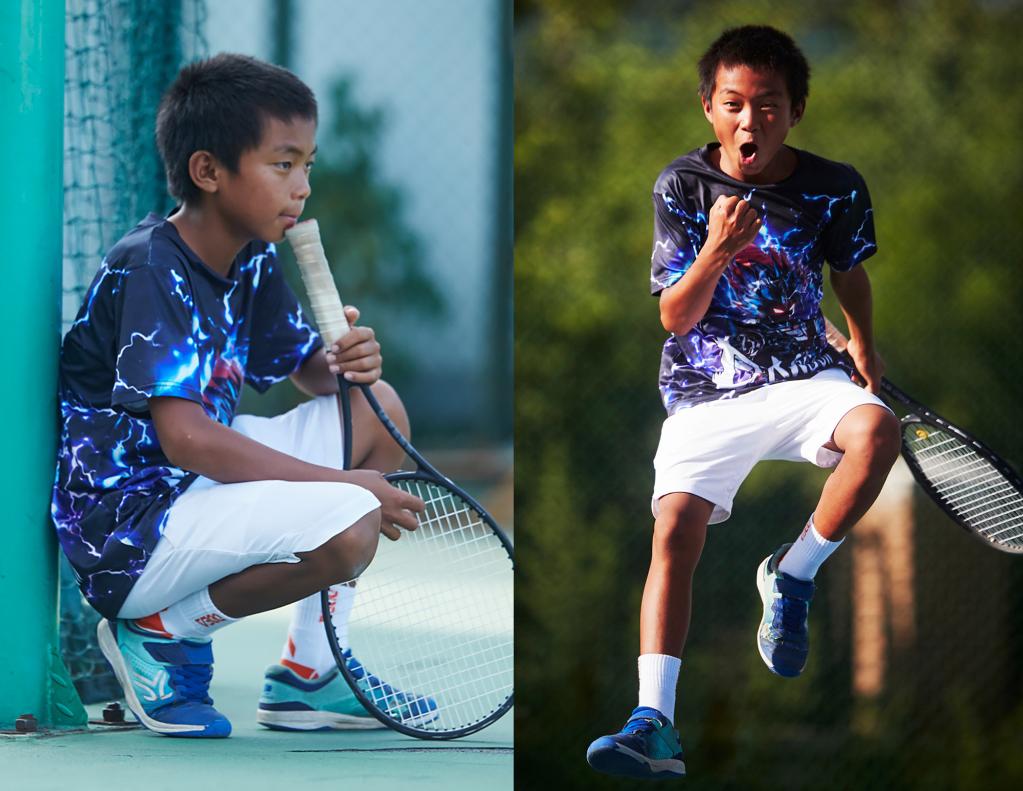
Roger Federer, der von den chinesischen Fans als „Schweizer Tennis-König“ bezeichnet wird, hat vor einigen Tagen seinen Rücktritt angekündigt. Der 41-Jährige Schweizer hat in seiner 24-jährigen Karriere mehr als 1.500 Spiele bestritten und 103 Einzeltitel, darunter 20 Grand-Slam-Titel, gewonnen, wodurch er die Bewunderung und Verehrung unzähliger Fans gewonnen hat. Einer von ihnen ist Wang Fa, ein 14-jähriger Junge aus einem kleinen Dorf an der südwestchinesischen Grenze zu Myanmar.
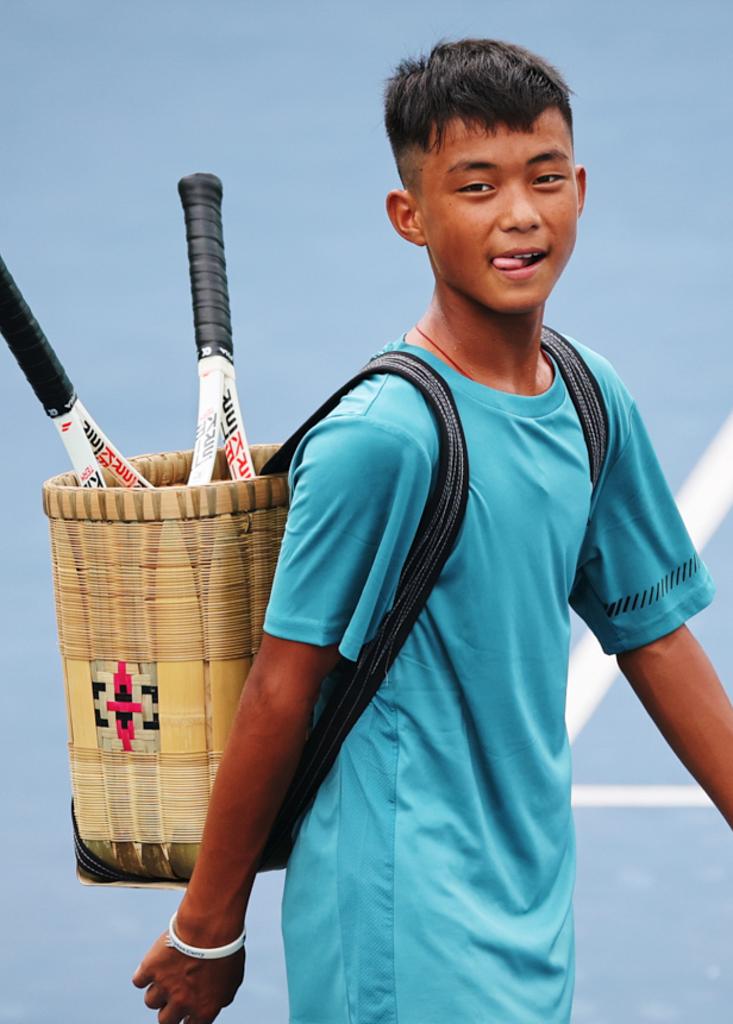
Bei einem Turnier in Guangzhou holte der junge Spieler kürzlich seinen achten Titel. Aber was noch mehr Aufmerksamkeit in den sozialen Medien erregt hat, ist ein Foto, in dem er seine Schläger in einem Bambuskorb trug – einem ikonischen Produkt aus seiner Heimatstadt. „Ich war lange Zeit von zu Hause weg. Dieser Korb erinnert mich an mein Zuhause“, sagte er.
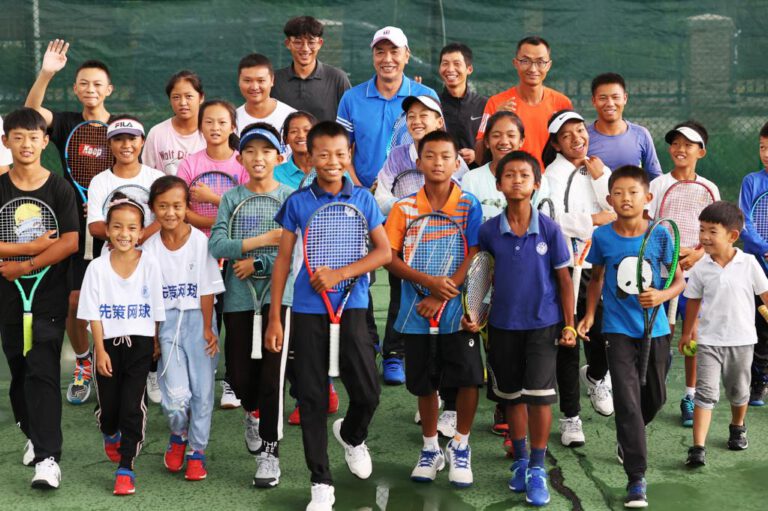
Wang Fa stammt aus dem Kreis Cangyuan in der südwestchinesischen Provinz Yunnan, einem Gebiet, das hauptsächlich vom ethnischen Volk der Wa bewohnt wird. Er wuchs in einem abgelegenen Dorf auf und wusste nichts über Tennis, bis der Trainer Zhang Xiaohong vor sechs Jahren sein Talent entdeckte.
„Ich war beeindruckt von der Flexibilität und Koordination seines Körpers sowie von seiner starken Muskelkraft. Außerdem hat er ein gutes Gefühl für den Raum“, erinnert sich Zhang, Gründer eines Tennisclubs in Yunnan. Im Jahr 2016 startete er ein spezielles Programm, um Kindern aus benachteiligten Familien Zugang zu dem relativ teuren Sport zu ermöglichen.
Es ist ein Abenteuer, das mit Herausforderungen verbunden ist. Zhang beteiligt sich an allen Aspekten des Lebens der Kinder. Auch außerhalb des Platzes organisiert er Unterricht für sie, damit sie die schulischen Ausbildungen nachholen können. Seine Bemühungen haben sich gelohnt: Seine Spieler haben viele Titel gewonnen und sich positiv verändert.
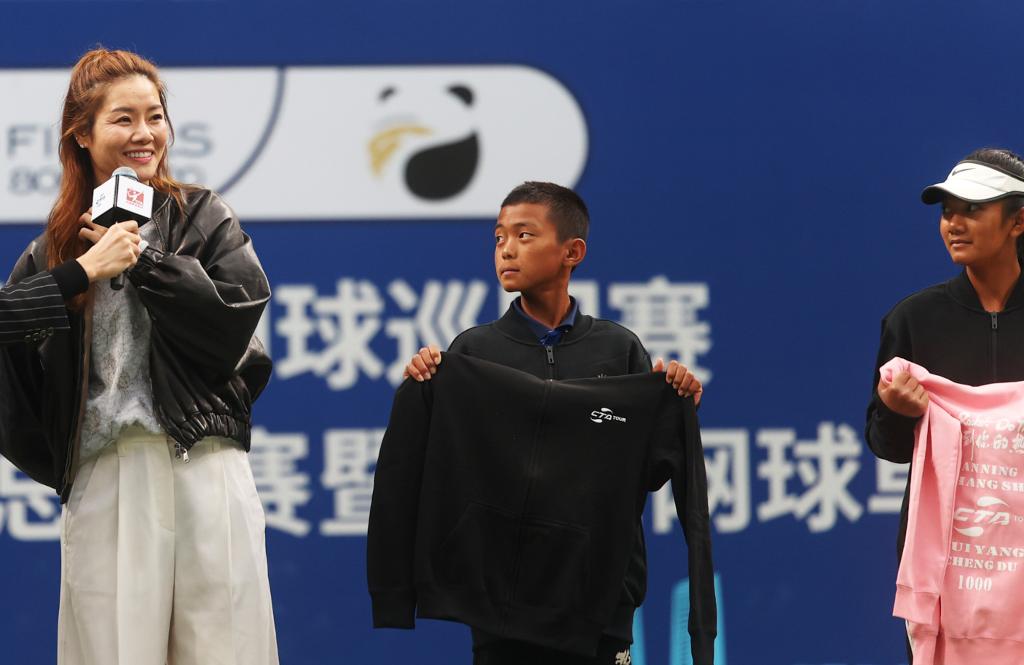
Wang Fa, der gerade den Titel im Jungeneinzel U14 bei der ASICS Tennis Junior Tour 2022 in Guangzhou gewonnen hat, sagte: „Bevor ich mit dem Tennis anfing, war ich nur in meiner Heimat geblieben und wusste wenig über die Welt da draußen. Jetzt bin ich in viele verschiedene Teile des Landes gereist. Und früher konnte ich nicht einmal Hochchinesisch sprechen, aber jetzt spreche ich es immer besser.“
Und ihr Ehrgeiz hört hier nicht auf. Die glorreiche Karriere von Roger Federer ermutigt auch Wang Fa wie die unzähligen jungen Tennisspieler der ganzen Welt: „Ich werde weiter hart arbeiten. Ich hoffe, dass ich in der Zukunft Mitglied der Nationalmannschaft werde und an weltweiten Profispielen teilnehmen kann.“
Ich will ein Profilspieler wie Roger Federer werden und meine Eltern stolz machen, sagte der gebräunte Junge schön lächelnd.