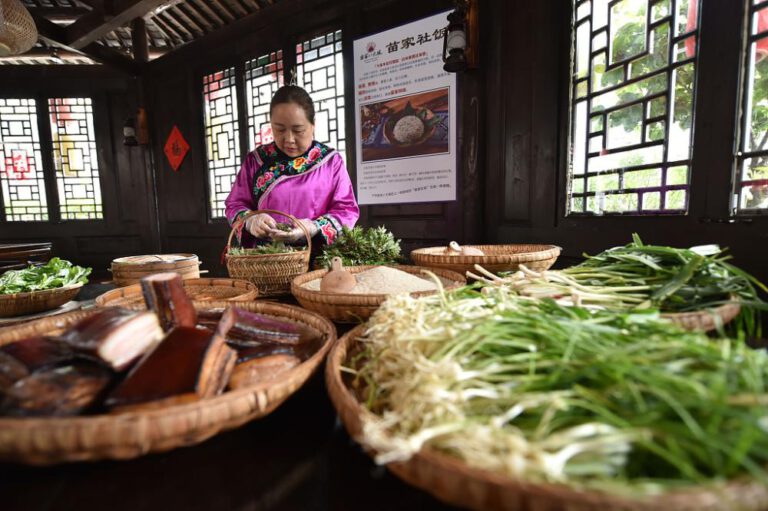
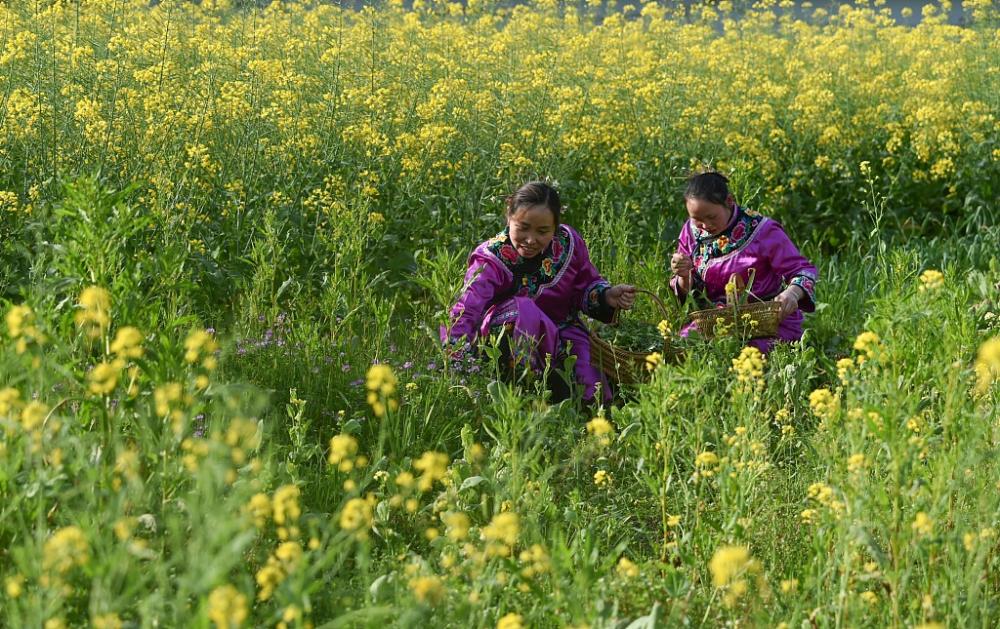
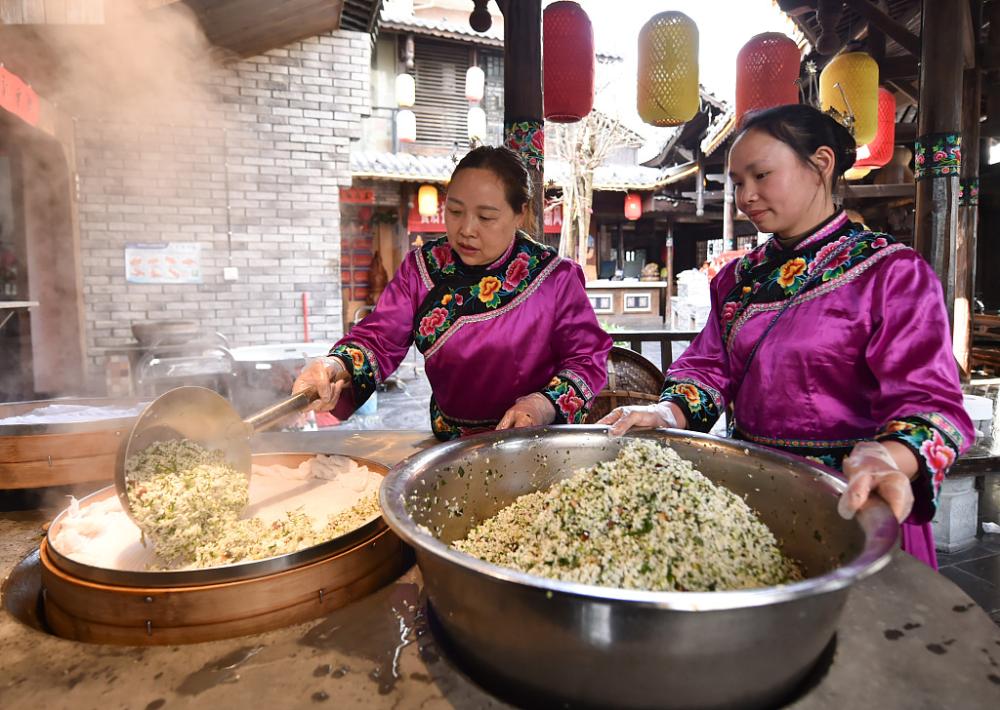
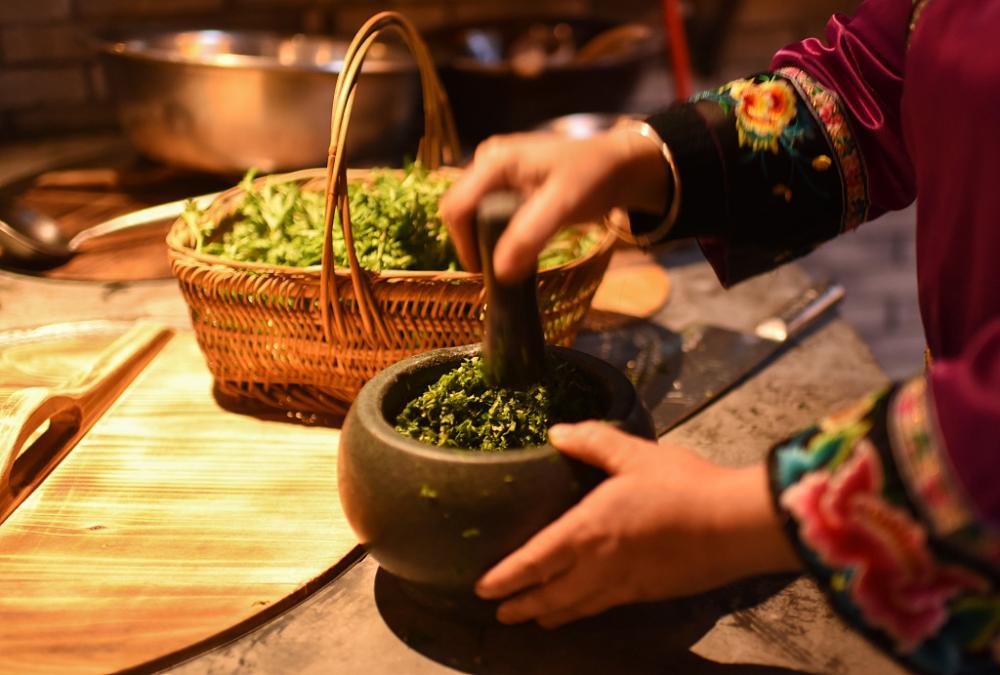
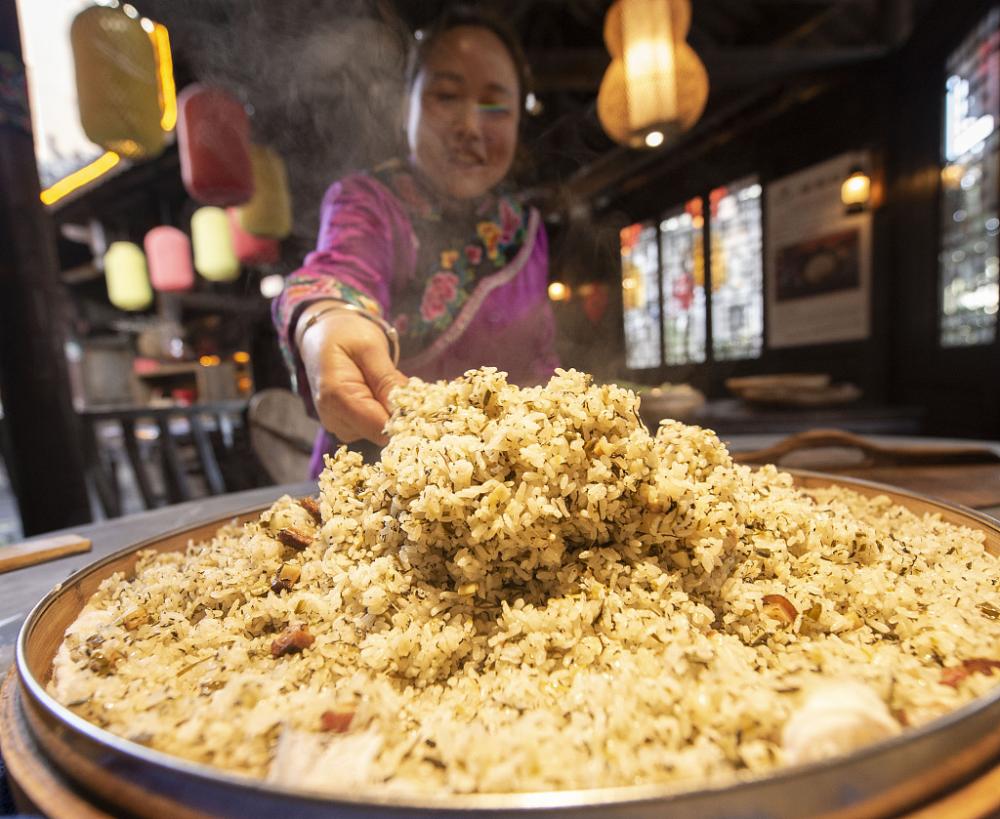
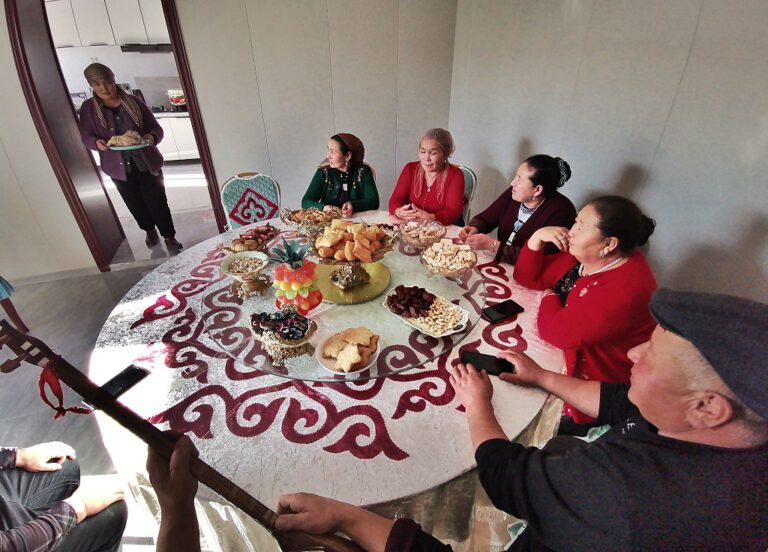
Jeden Frühling bereiten und essen die Einwohner im Autonomen Kreis Songtao der Miao in der südwestchinesischen Provinz Guizhou ein traditionelles Essen namens „Shefan“, um den Frühling zu begrüßen und für ein gutes Jahr zu beten.
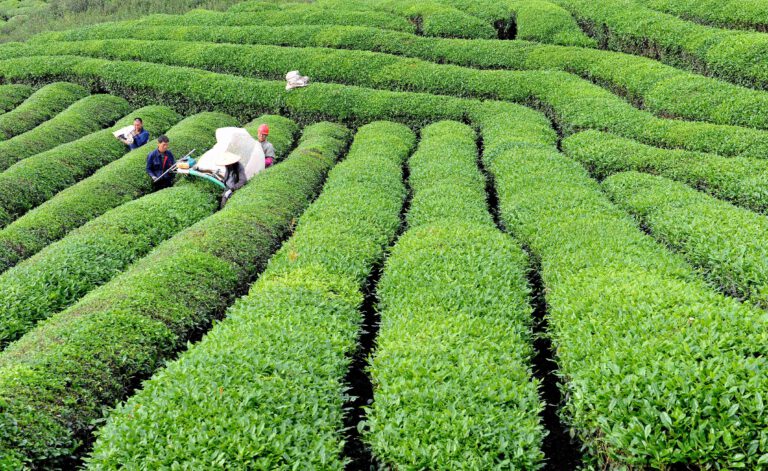
Die chinesische Tee-Kultur kann auf eine lange Geschichte zurückblicken. Das Teetrinken spielt eine wichtige Rolle im Alltagsleben der Chinesen. Während früher die Teetrinker meistens ältere Menschen waren, ist es heutzutage Mode für die jüngeren Generationen geworden, im Frühjahr Teeplantagen zu besuchen, den frischen Frühlingstee zu trinken und sich mit der chinesischen Tee-Kultur vertraut zu machen.
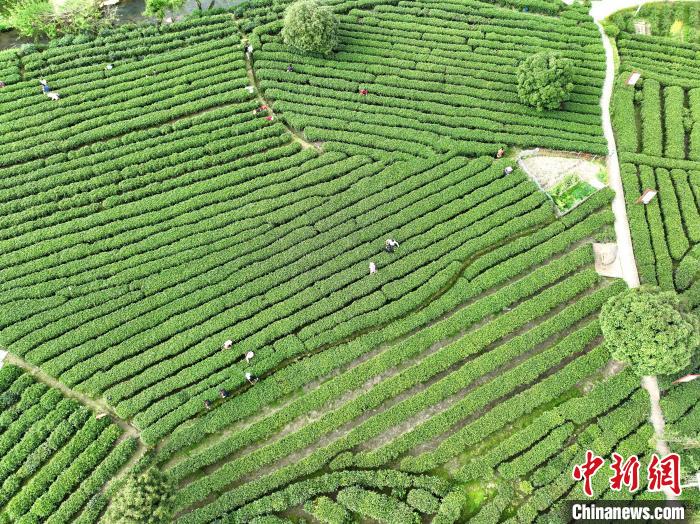
Wie Huang Dongsheng, Verantwortlicher eines lokalen Unternehmens für Kulturtourismus des Dorfes Yuancun im Kreis Shangyou in der Provinz Jiangxi bekannt gab, sind seit Februar dieses Jahres insgesamt über 52.000 Besucher dorthin gereist, um das Teepflücken sowie die Teeherstellung mitzuerleben und den frischen Tee zu probieren. Die meisten von ihnen seien junge Menschen.
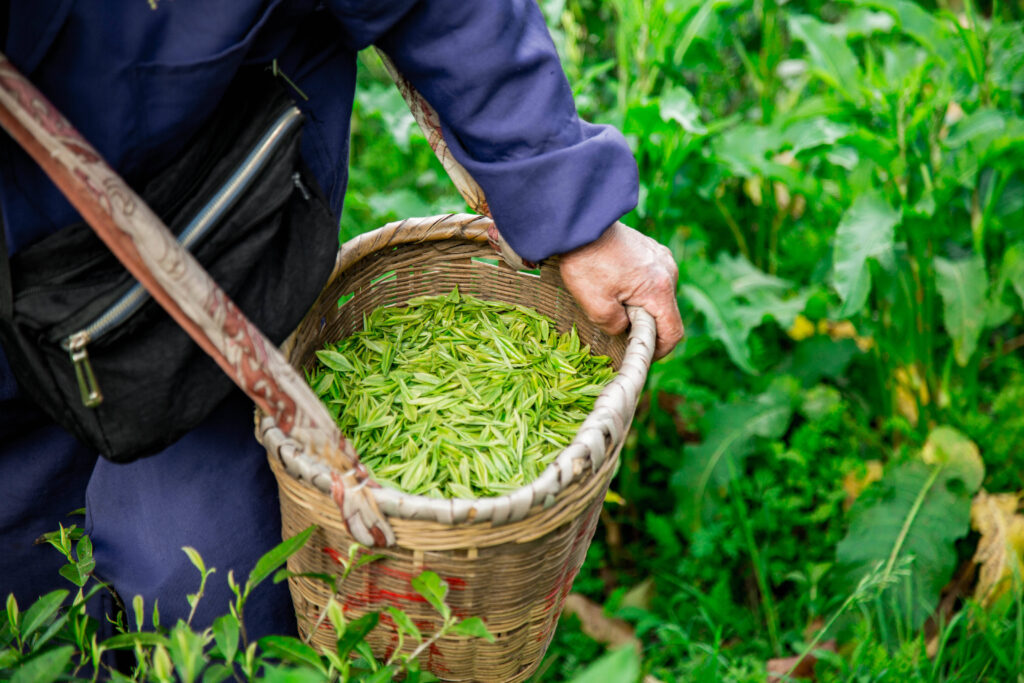
Jedes Jahr im April wird der Frühjahrstee geerntet und auf den Markt gebracht.
Die 24-jährige Cai Yu hat für das bevorstehende Qingming-Fest einen Ausflug mit Freunden zum Xishan-Berg im Vorort der Provinzhauptstadt Nanchang geplant, um die Herstellungstechnik von Bailu-Tee, einer lokalen Teesorte, kennenzulernen. „Das ist eine Lebensart, mit der Stress abgebaut wird. Es ist auch ein Ausdruck der traditionellen Lebensästhetik der Chinesen“, sagte Cai.
Hu Weihua, Überlieferer der Herstellungstechnik für den Bailu-Tee der vierten Generation, erläuterte: „Wir planen Teepartys, Teekurse und die Gründung von Ateliers für die Überlieferung der Tee-Herstellungstechnik, um den Ansprüchen von jungen Menschen gerecht zu werden.“
Statistiken für den Konsum von Frühjahrstee 2024 der Online-Verkaufsplattform „Taobao“ zufolge sind in China Menschen im Alter zwischen 30 und 40 Jahren die Hauptkundengruppe von Frühjahrstee.
Da heutzutage die Teetrinker immer jünger werden, motiviert das die Teehersteller, regelmäßig neue Produkte zu entwickeln. Laut Guo Qingyun, Vorstandsvorsitzender der Donglin Yulu GmbH für moderne Landwirtschaft der Stadt Lushan, wird bei seinem Unternehmen die manuelle Teeherstellung durch KI-Technologie ersetzt, um dadurch die Produktionskosten zu senken. Darüber hinaus werden verschiedene Düfte in den Tee hinzugefügt, um dem Geschmack junger Teetrinker zu entsprechen.
Nach Ansichten von Yu Yue, Wissenschaftler der Akademie der Sozialwissenschaften der Provinz Jiangxi und Experte für die chinesische Teekultur, wird die Anpassung der traditionellen Teekultur an die Bedürfnisse junger Teetrinker die gesamte Teebranche ändern und fördern.
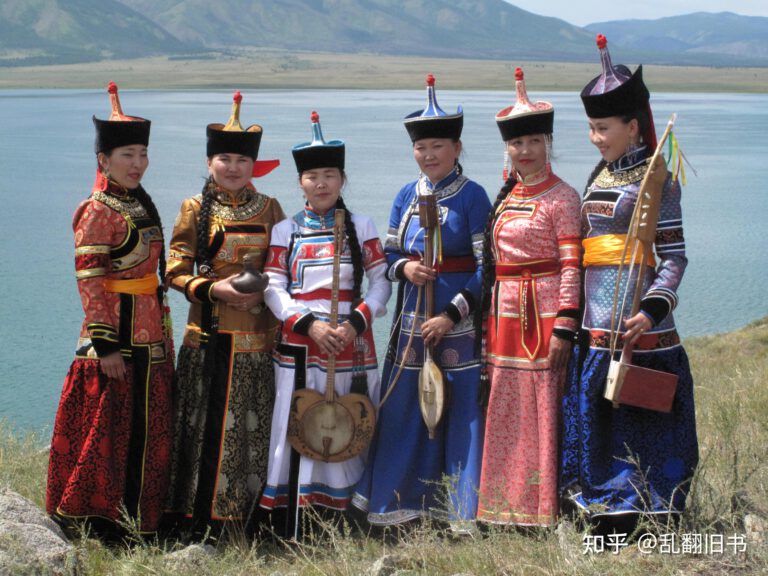
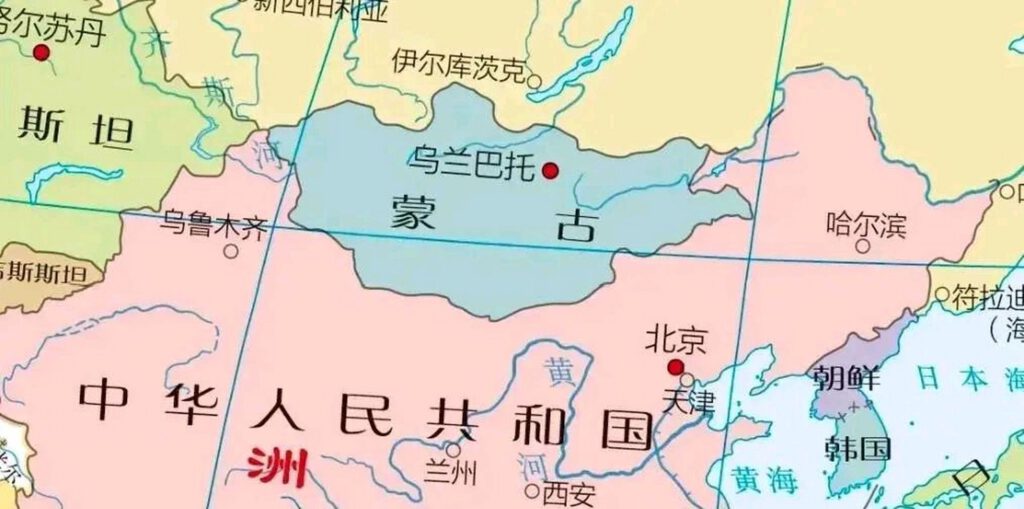
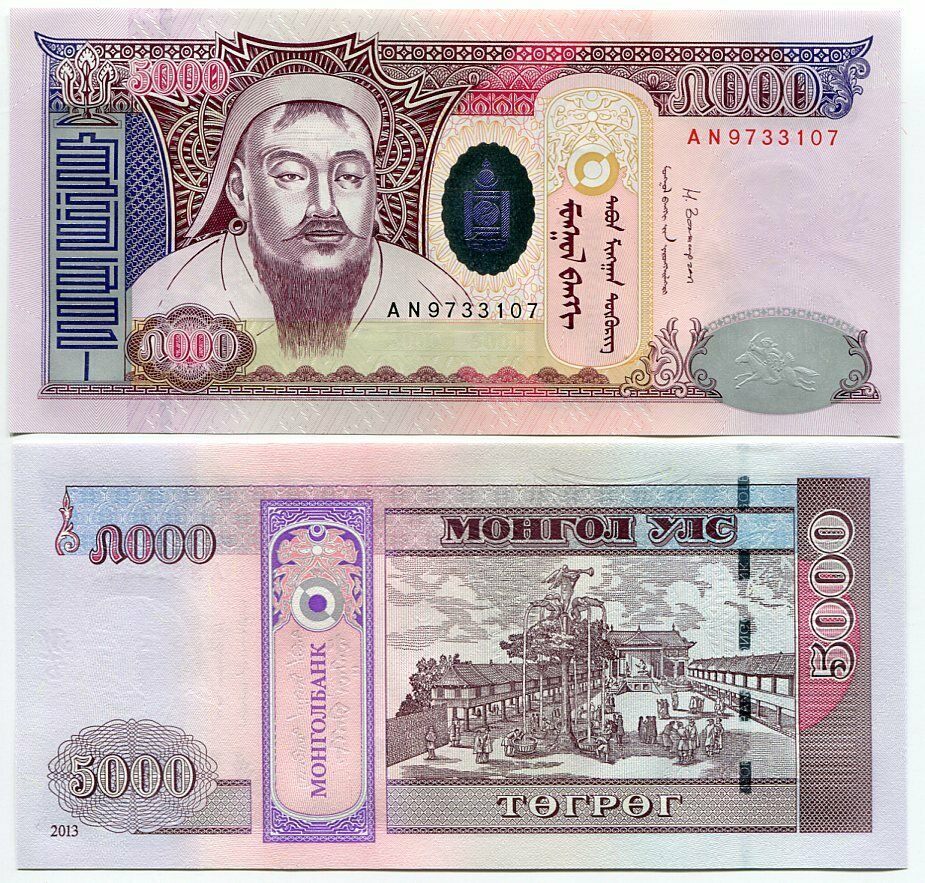
More than 10 million Mongolians reside primarily in China and Mongolia, with 3.5 million in Mongolia and over 6 million in China, the majority (70%) residing in the Inner Mongolia Autonomous Region. Mongolian serves as the common mother tongue for both populations, differing only in alphabet usage.
While Mongolia employs the Cyrillic alphabet, influenced by Russia, Mongolians in China predominantly use the old Uyghur alphabet. This prompts questions about Mongolia’s adoption of the Cyrillic alphabet and its current interest in revitalizing the traditional migratory script.
Creation of the Hudum Mongol bichig
The Latin, Arabic, and Cyrillic alphabets are among the earliest major writing systems globally. Latin is prevalent in Western Europe and the Americas, while Cyrillic is widely used by Slavic peoples and those influenced by Russia. The migratory alphabet predates Cyrillic, originating in Central Asia based on the Suet alphabet.
Central Asia saw the rise of the Sogdians around the 10th century BC, who later developed the Sogdian alphabet by the 1st century AD. With Central Asia thriving as a trade hub, the Sogdian alphabet gained prominence. During the 5th-6th centuries AD, Turkic peoples migrated westward and adopted the Sogdian alphabet. The Kutlug I Bilge Boyla Khagan, ancestor of the Uyghurs, established the migratory khanate in the 8th century AD, leading to the emergence of the migratory alphabet influenced by the Sogdian alphabet.
Meanwhile, the Cyrillic alphabet emerged later, linked to Greek civilization. With the Latin alphabet dominating Europe after the Roman Empire’s conquests, Greek culture spread into Slavic territories, notably through the missionary efforts of St. Cyril and Methodius in the 9th century AD. The disciples of St. Cyril and Methodius developed the Cyrillic alphabet to facilitate Christianity’s spread, adopted by Slavic countries.
While the Balkans and Eastern Europe embraced Cyrillic, northern China during the late Tang Dynasty saw the establishment of the Qocho and the adoption of the migratory alphabet by nomadic peoples, including the Mongols, influenced by migratory culture.
Cyrillic Alphabet: the shadow of the Soviet Union
From 1644 to the 18th century, the Qing dynasty extended its rule over Outer Mongolia, integrating it into China. During this time, the traditional Mongolian language, Hudum Mongol bichig, was spoken in the region.
While the Qing expanded their control over Mongolia, they faced threats from Tsarist Russia, which had historical ties to the Golden Horde. Russia’s eastward expansion in the 16th century led to conflicts with China, culminating in the Battle of Yaksa from 1653 to 1689. Despite initial defeats, Russia persisted in its efforts to influence Mongolia, supporting separatist movements and advocating for autonomy along the Sino-Russian border.
By the 1840s, weakened by internal strife, the Qing Dynasty faced renewed Russian aggression. Through unequal treaties, Russia acquired vast territories in northern China, aiming to establish a buffer zone. Exploiting Mongolia’s disaffection with Qing rule, Russia encouraged autonomy and even independence for Outer Mongolia.
Following the October Revolution in 1917, Soviet power emerged in Russia. The Soviet Union briefly withdrew from Outer Mongolia in 1918, only to return and establish the Mongolian People’s Republic in 1924, effectively separating it from China. Although not part of the Soviet Union, Outer Mongolia became a satellite state, adopting Russian language and Cyrillic script.
Amidst debates over script usage, Outer Mongolia’s allegiance to the Soviet Union solidified. With Soviet support, Mongolia declared independence on January 1, 1946, adopting the Cyrillic alphabet to enhance literacy and administrative efficiency.
The Cyrillic alphabet’s horizontal orientation proved advantageous over the traditional vertical script, leading to significant literacy improvements. By the 1960s, Mongolia’s literacy rate soared from 2% to over 97%, contributing to its modern cultural development.
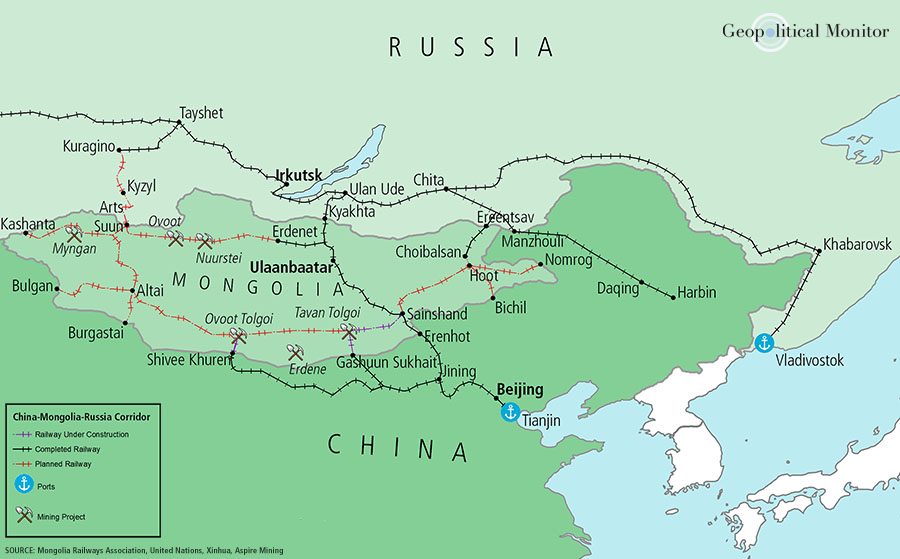
Soviet aid transformed Mongolia from an agrarian society into a mining-oriented economy. In 1961, Mongolia joined the United Nations with Soviet backing, embracing pro-Soviet policies and promoting Russian language and culture.
Overall, the widespread adoption of the Cyrillic alphabet in Mongolia reflected the influence of the Soviet Union and its dominant Russian culture on the country’s development.
Restoration of traditional Mongolian language
Mongolia’s close ties with the Soviet Union persisted until the USSR’s collapse in 1991, after which Mongolia transitioned to a parliamentary system and embraced a multi-party political landscape. With Russia’s declining influence, Mongolia shifted towards an independent foreign policy while maintaining a cautious distance from both Russia and China.
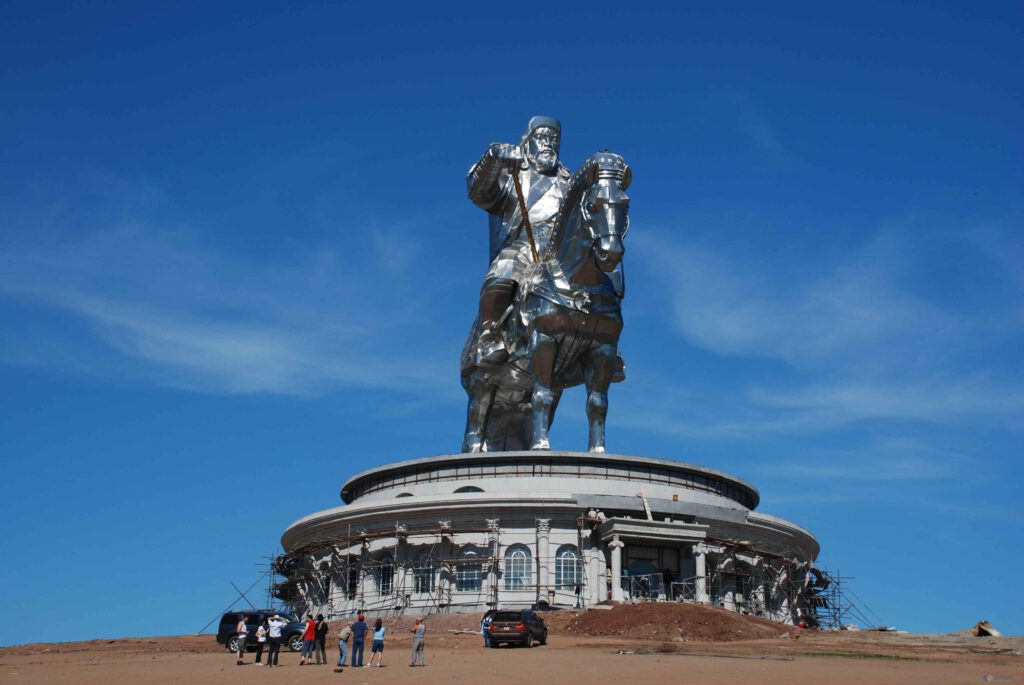
In a move towards cultural independence, Mongolia has phased out Russian language programs and channels, replacing them with cultural content from diverse sources, including Korea. Nationalistic sentiments surged post-1990s, with Mongolia embracing a “Mongolian Orthodoxy” centered around Genghis Khan.
However, the predominant use of Cyrillic Mongolian script contradicts Mongolia’s pursuit of “Mongolian orthodoxy.” To address this, Mongolia plans to gradually reintroduce the traditional Mongolian script, despite challenges posed by the entrenched use of Cyrillic and economic constraints.
The government has taken steps to promote the traditional script, initially within governmental sectors and then extending to civil society. Initiatives include issuing decrees mandating the use of the traditional script in diplomatic activities and official documents.
Although widespread adoption of the traditional script faces hurdles, such as technological compatibility and public familiarity, Mongolia aims to establish it as the official script by 2025. Efforts to promote the traditional language extend to enhancing its presence in information networks and databases.
The adoption of Cyrillic Mongolian script reflects the influence of Russian culture in Mongolia. However, the traditional Mongolian script holds deep roots in Mongolian heritage. Mongolia’s ongoing script reform signifies a reevaluation of its cultural identity and a strategic move towards independence. Achieving widespread use of the traditional language would not only align Mongolia linguistically with Inner Mongolia in China but also serve as a step towards “de-Russianization” in national policy.
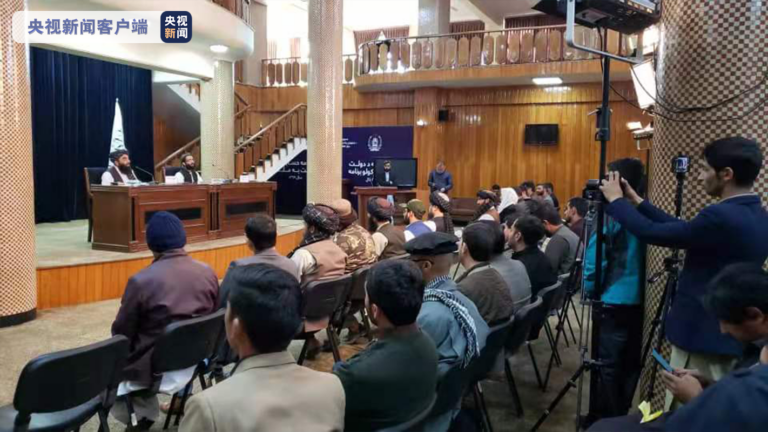
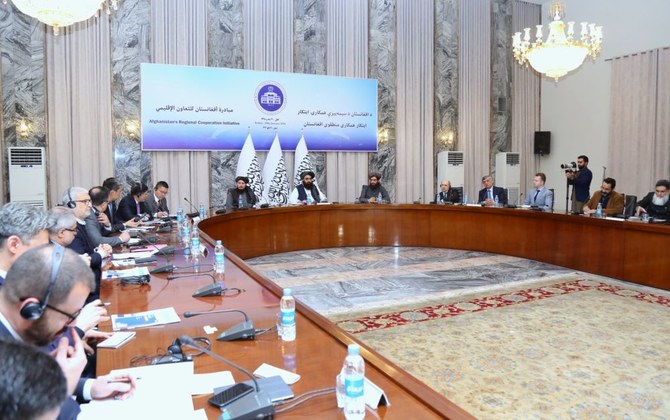
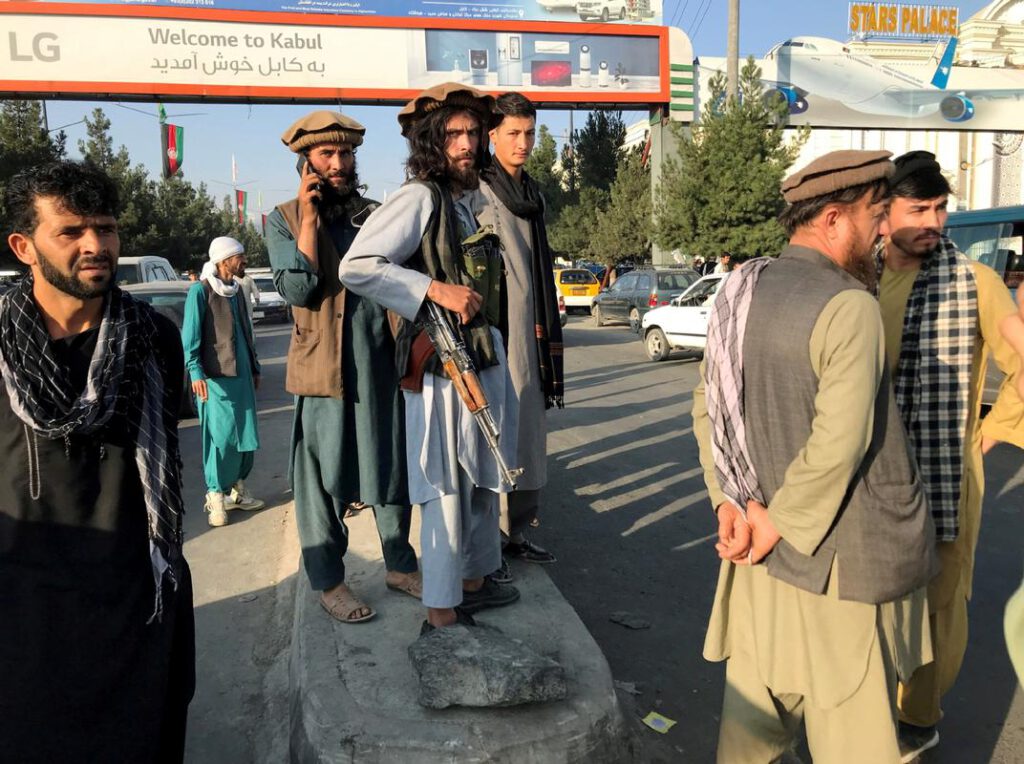
In den mehr als zwei Jahren seit der Amtsübernahme der neuen afghanischen Übergangsregierung hat sich die politische Landschaft Afghanistans weitgehend stabilisiert. Neben dem Problem sporadischer terroristischer Anschläge existiert jedoch nach wie vor eine schwere humanitäre Krise.
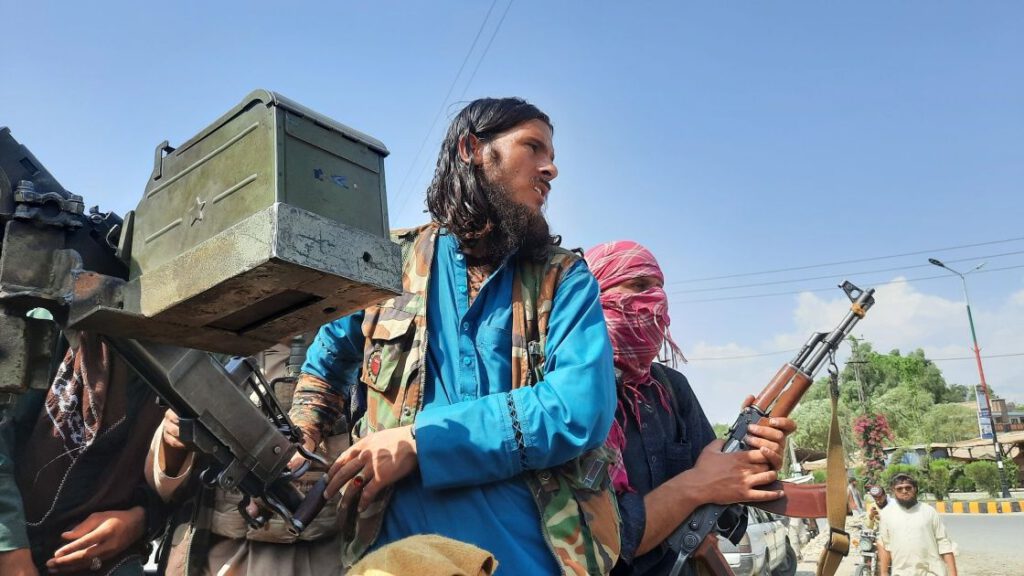
Nach Angaben der Vereinten Nationen sind in Afghanistan noch etwa 20 terroristische Organisationen aktiv, die vorwiegend mit den afghanischen Taliban in Verbindung stehen. Die Terrorgruppe Islamic State Khorasan Province, auch ISIS-K genannt, sticht unterdessen als Hauptgegner der afghanischen Übergangsregierung hervor.
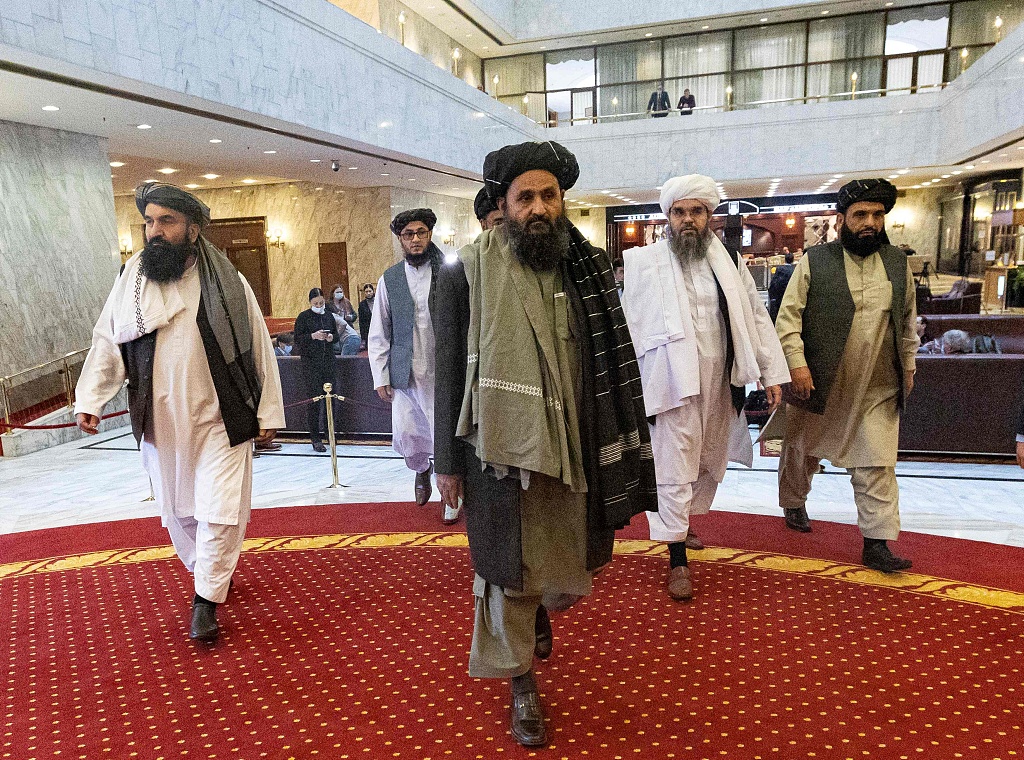
Sirajuddin Haqqani, der Anführer des Haqqani-Netzwerkes, ist inzwischen stellvertretender Chef der afghanischen Übergangsregierung und amtierender Innenminister. Durch diese Integration ist das Haqqani-Netzwerk zu einem integralen Bestandteil des Geheimdienstapparates geworden.
Auflösung des Nachrichtendienstes der früheren Regierung
Unter der einstigen Führung von Atta Muhammad Nur (1996-2001) wurden zahlreiche Geheimdienstmitarbeiter der Regierung beseitigt, was zu Hinrichtungen und gewaltsamen Verschleppungen führte. Viele flohen aus dem Land, andere tauchten unter. Trotz späterer Amnestien gingen die Repressalien weiter, so dass die nachrichtendienstlichen Kapazitäten der anschließenden Regierung stark eingeschränkt wurden.
Der Nachrichtendienst der afghanischen Regierung nach dem Sturz der Taliban durch die NATO bestand im Wesentlichen aus dem 2002 mit Unterstützung der US-amerikanischen Central Intelligence Agency (CIA) gegründeten Afghan National Directorate of Security (NDS), den Afghan National Security Forces (ANSF) und der lokalen Polizei.
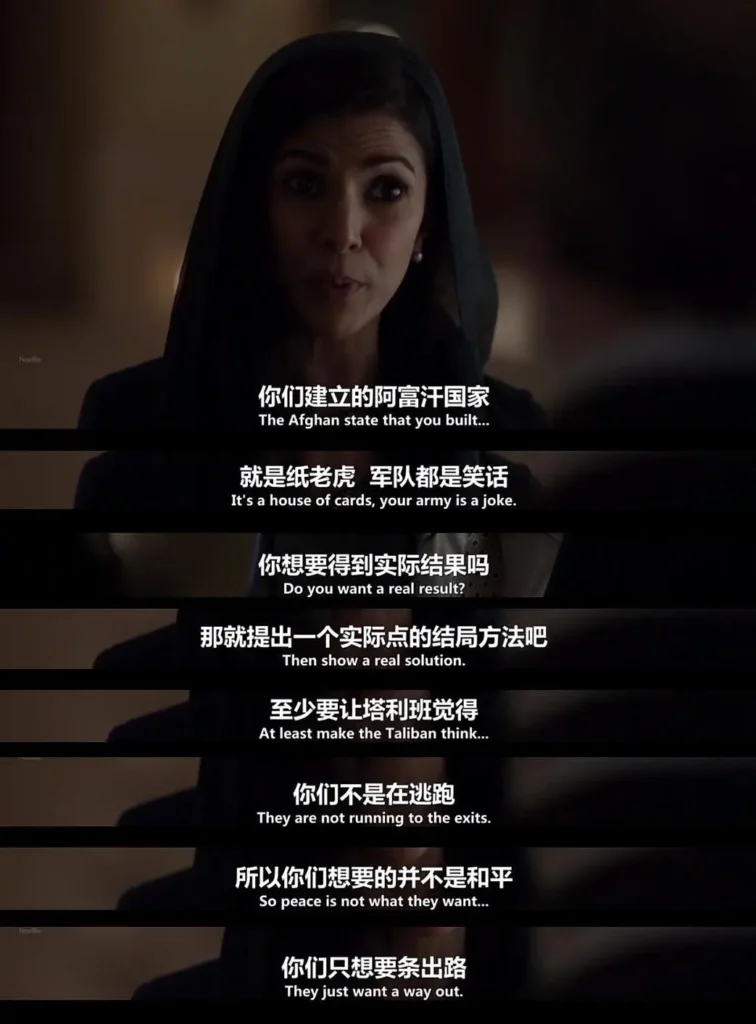
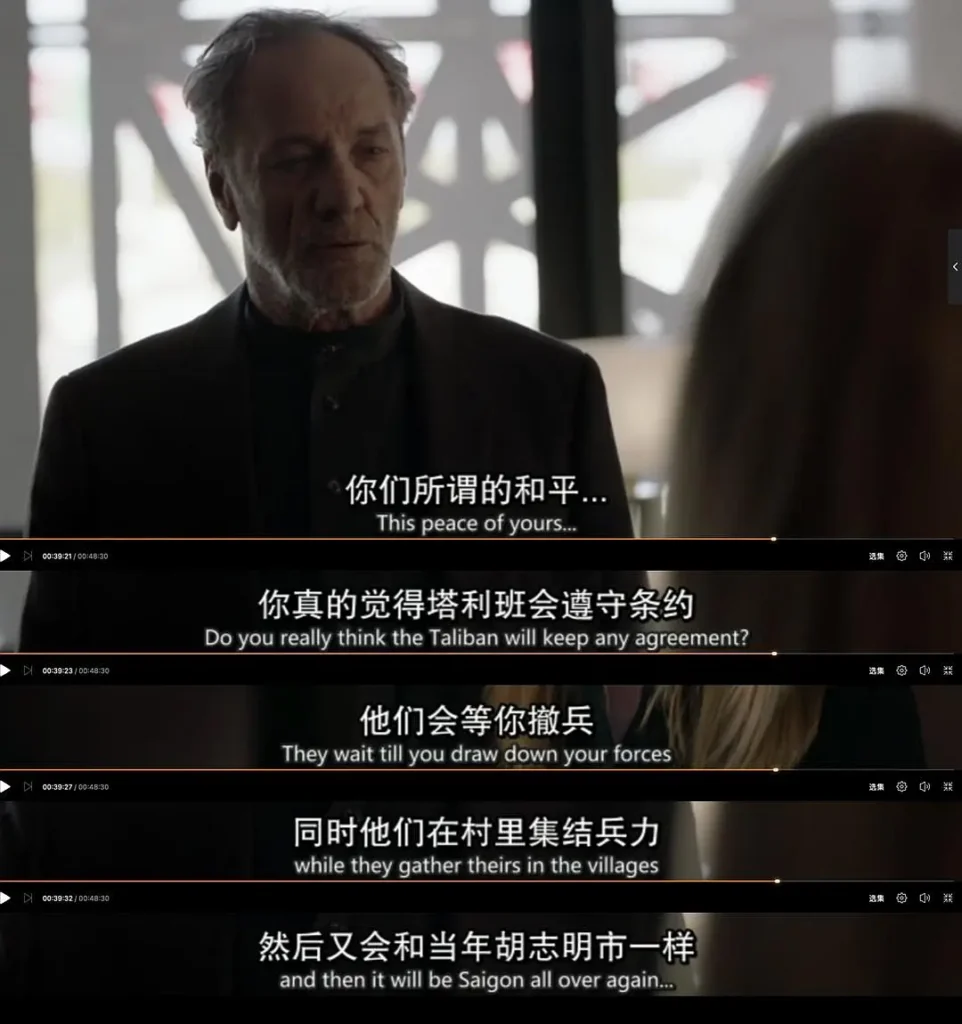
Foto @Movie-Serie Homeland Ep.8
Die Afghan National Security Forces (ANSF) bestanden aus der Afghan National Army (ANA), der Afghan Air Force (AAF) und der Afghan National Police (ANP). Die 2002 gegründete ANA übernahm verschiedene militärische und unterstützende Aufgaben. Die 2007 gegründete AAF konzentrierte sich auf die Informationsbeschaffung aus der Luft und die Brandbekämpfung. Die ANP, bestehend aus der Afghan Uniformed Police (AUP), der Afghan National Civil Order Police (ANCOP) und der Afghan Border Police (ABP), sorgte in verschiedenen Regionen und an verschiedenen Grenzen für die Aufrechterhaltung von Recht und Ordnung.
Die von den USA und Großbritannien unterstützte afghanische Lokalpolizei (Afghan Local Police, ALP) diente der Verstärkung der nationalen Sicherheitskräfte bei der Aufstandsbekämpfung.
Foto @Movie-Serie Homeland Ep.8
Aufbau des Nachrichtendienstes der neuen Regierung
Das heutige Nachrichtensystem der Taliban, das auf der Auflösung des früheren Nachrichtendienstes basiert und eine Fortführung und Erweiterung des Nachrichtendienstes der damaligen Regierung unter Atta darstellt, besteht aus vier Hauptinstitutionen: der Generaldirektion des Nachrichtendienstes (GDI), dem Innenministerium (MOI), dem Verteidigungsministerium (MOD) und dem Ministerium für die Verbreitung von Tugend und die Verhinderung von Lastern (MPPV).
Die Generaldirektion der Nachrichtendienste (GDI) steht unter der Leitung von Abdul Haq Wasiq und arbeitet unter dem Oberbefehl von Hibatullah Akhundzada. Sie konzentriert sich auf die Verteidigung des Regimes und den Schutz kultureller, religiöser und Eigentumsrechte durch die Auswertung öffentlich verfügbarer Informationen und den Umgang mit Personen, die Zugang zu interessanten Informationen haben.
Das Innenministerium (MOI) unter der Leitung von Sirajuddin Haqqani ist für die Durchsetzung der Gesetze und Aufrechterhaltung der öffentlichen Ordnung zuständig, wobei es sich vor allem auf das Geheimdienstnetzwerk des Haqqani-Netzwerks stützt. Es unterhält Verbindungen zum pakistanischen Geheimdienst und zu verschiedenen terroristischen Organisationen und pflegt den Informationsaustausch.
Das Verteidigungsministerium (MOD) unter Mohammad Yaqoob konzentriert sich auf Grenzsicherheit und nationale Souveränität. Seine nachrichtendienstlichen Fähigkeiten basieren auf dem traditionellen Atta-Netzwerk, das regionale Kommandeure und Dorfgemeinschaften zur Informationsverbreitung nutzt.
Das von Scheich Muhammad Khalid Hanafi geleitete Ministerium für die Verbreitung von Tugend und die Bekämpfung von Lastern (MPPV) bewahrt die islamische Ideologie, indem es die Einhaltung islamischer Normen in verschiedenen Bereichen der Gesellschaft überwacht und durchsetzt. Seine Bemühungen erstrecken sich auch auf militärische Einrichtungen und das zivile Leben, um die Einhaltung islamischer Vorschriften und Werte zu gewährleisten.
Leistungsfähigkeit des Nachrichtendienstes der afghanischen Interimsbehörde
Der afghanische Nachrichtendienst konzentriert sich auf den Schutz des islamischen Regimes, die Kontrolle feindlicher Kräfte, die Unterstützung des Wiederaufbaus und die Verteidigung der islamischen Ideologie. Durch die Überwachung und Lenkung der Medien und die Durchsetzung strenger gesellschaftlicher Regeln wird ein positives Bild des Regimes aufrechterhalten.
Dazu gehören Musikverbote, die Kontrolle von Demonstrationen und Kleidervorschriften. Darüber hinaus integriert sie ehemalige Regierungskräfte und bekämpft Terroristen im In- und Ausland. Es wurden auch Anstrengungen unternommen, um Flüchtlinge zur Rückkehr zu bewegen und die internationale Zusammenarbeit, insbesondere mit dem pakistanischen ISI und dem amerikanischen CIA, zu pflegen.
Das System will ein positives Bild des islamischen Regimes aufrechterhalten, indem es Medieninhalte streng überwacht und beeinflusst, strenge soziale Regeln wie Kleiderordnung und Musikverbote durchsetzt und abweichende Meinungen unterdrückt.
Er spielt auch eine wichtige Rolle bei der Säuberung und Integration ehemaliger bewaffneter Regierungskräfte, der Bekämpfung terroristischer Gruppen wie ISIS und der Förderung der Rückkehr qualifizierter Fachkräfte, die zur Entwicklung des Landes beitragen sollen.
Darüber hinaus beteiligt sich der Nachrichtendienst aktiv an der internationalen Zusammenarbeit, insbesondere mit dem pakistanischen ISI und der US-amerikanischen CIA, um gegenseitige Sicherheitsbedenken auszuräumen und diplomatische Beziehungen zu fördern.
Herausforderungen für das nachrichtendienstliche System der afghanischen Interimsbehörde
Das afghanische Nachrichtenwesen hat in den vergangenen zwei Jahren erhebliche Fortschritte beim Schutz des islamischen Regimes, bei der Bekämpfung feindlicher Kräfte und bei der Unterstützung des Wiederaufbaus nach dem Krieg gemacht. Es sieht sich jedoch Herausforderungen von innen, aus der Region und von den Großmächten gegenüber.
Innenpolitisch gibt es nach wie vor Widerstand von pro-demokratischen Gruppen, die sich um die Integration und die Rechte der Frauen sorgen. Terroristische Organisationen, darunter Al-Qaida und ISIS-K, operieren weiterhin mit einer gewissen Autonomie unter dem Schirm des Regimes und stellen eine interne Bedrohung dar.
In der Region setzen Nachbarländer wie Pakistan und Iran die Infiltration durch ihre Geheimdienste fort. Insbesondere Tadschikistan steht der afghanischen Regierung feindlich gegenüber.
Auf internationaler Ebene beobachten und bekämpfen die USA weiterhin potenzielle Bedrohungen, während Russland und Indien Druck auf das Regime ausüben, den Terrorismus zu unterbinden und die Inklusivität zu gewährleisten.
Angesichts der Umstrukturierung der globalen Wertschöpfungskette, der unzureichenden Auslandsnachfrage und zahlreicher Unsicherheitsfaktoren steht China vor großen Herausforderungen in Bezug auf ausländische Investitionen und Handel. Der diesjährige Arbeitsbericht der chinesischen Regierung betont erneut, wie wichtig es ist, die Verbindungen zwischen den heimischen und den internationalen Märkten auf hohem Niveau auszubauen.
Vor dem Hintergrund der weltweiten Konjunkturabschwächung, des zunehmenden Protektionismus und der Anti-Globalisierungs-Stimmung hat Chinas Außenhandelsdynamik einen bemerkenswerten Strukturwandel durchlaufen. Zu den fünf wichtigsten Handelspartnern Chinas zählten 2022 die ASEAN-Staaten, die Europäische Union, die USA, Japan und Südkorea. Während der Anteil traditioneller Partner wie Japan und den USA zurückgegangen ist, hat der Handel mit den Ländern entlang der Belt and Road Initiative, Russland und den ASEAN-Staaten rasant zugenommen.
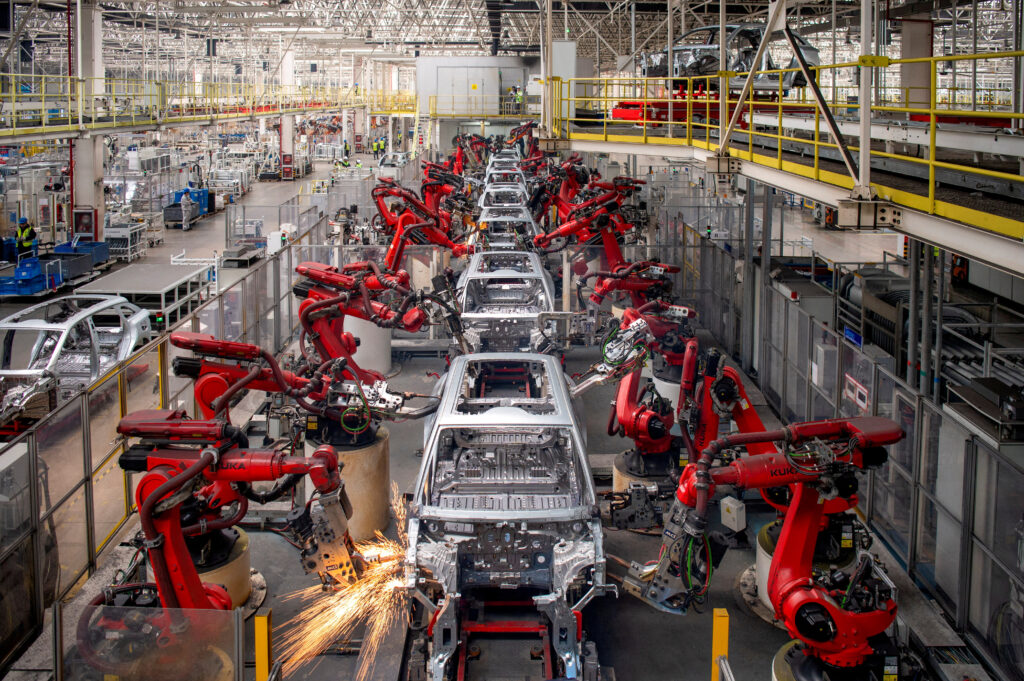
DATEIFOTO: Roboterarme montieren Autos in der Produktionslinie für die Elektrofahrzeuge von Leapmotor in einer Fabrik in Jinhua, Provinz Zhejiang, China, 26. April 2023. China Daily über REUTERS/File Photo
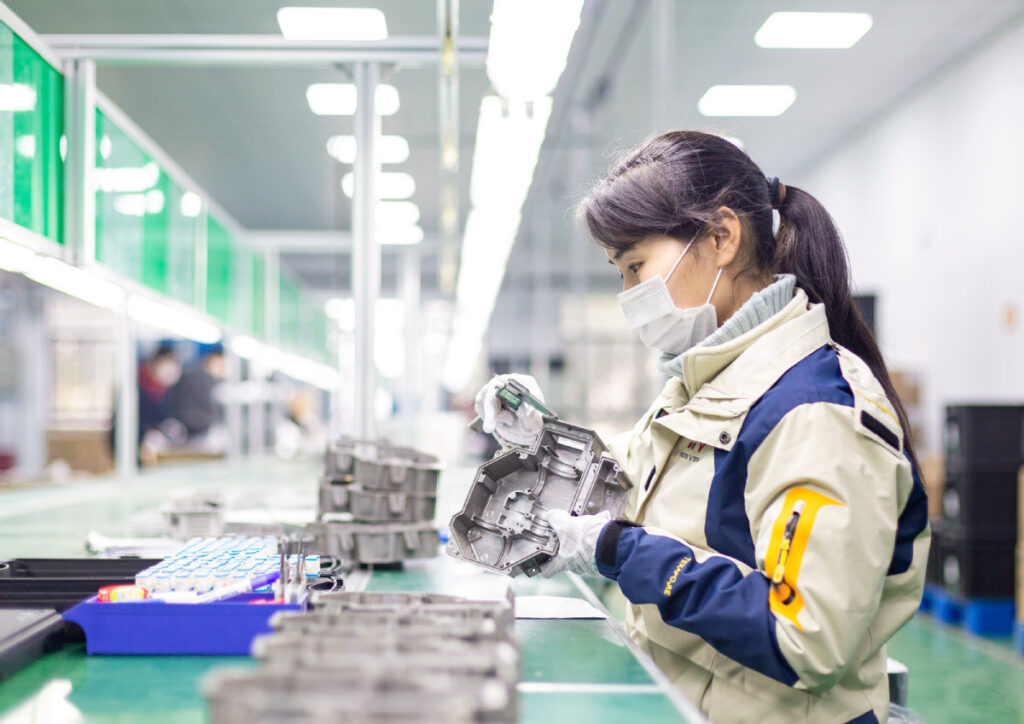
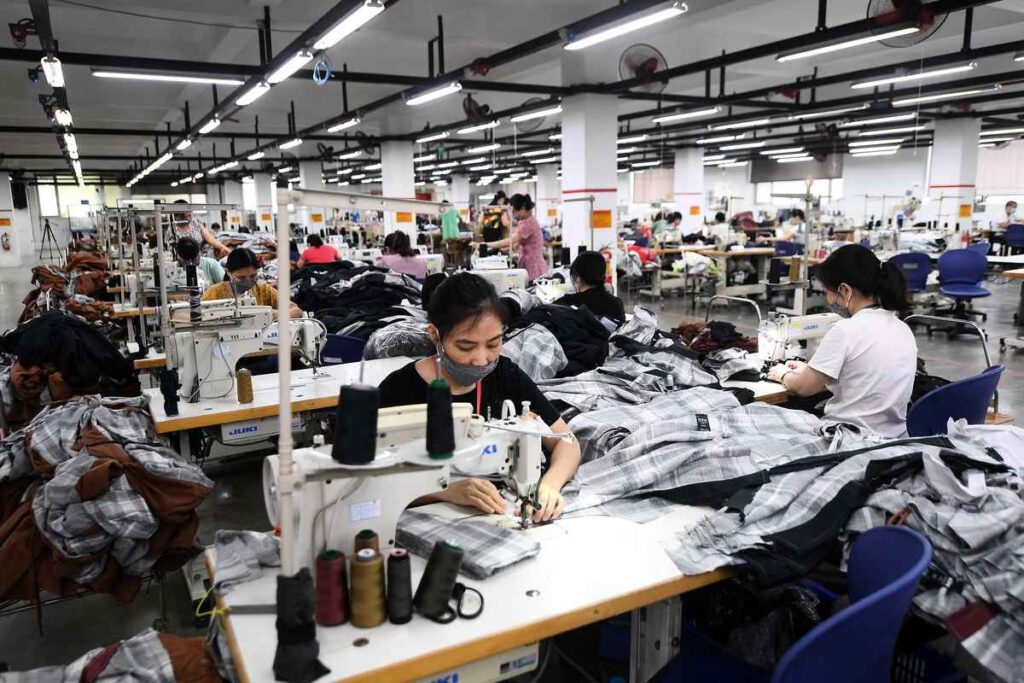
Der Wandel in der Handels- und Exportstruktur Chinas ist offensichtlich und spiegelt sich in einem wachsenden Handelsüberschuss wider. Anders als noch vor einem Jahrzehnt, als China hauptsächlich leichte Industriegüter wie Schuhe, Socken und Spielzeug exportierte, haben sich die Exportprodukte und die Wertschöpfung deutlich verbessert, was zum Wachstum des Exportvolumens beigetragen hat.
Chinas Außenhandelsexporte haben sich insbesondere in den letzten Jahren vor dem Hintergrund der Pandemie deutlich umstrukturiert. Vor allem die Exporte in nicht-westliche Länder haben zugenommen und werden bis über das Jahr 2023 hinaus die Exporte in die USA, nach Europa und Japan übertreffen. Diese Verschiebung ist auf mehrere Faktoren zurückzuführen.
Erstens hat China seine Exportziele diversifiziert, um die Risiken einer zu starken Abhängigkeit von entwickelten Märkten wie den USA, Europa und Japan zu verringern. Diese strategische Diversifizierung begann um 2010 und wurde durch geopolitische Spannungen beschleunigt.
Zweitens hat das Voranschreiten der “One Belt, One Road”-Initiative die Exporte in nicht-traditionelle Märkte deutlich erhöht, was durch steigende Auslandsinvestitionen begünstigt wurde. Chinas umfangreiche Infrastrukturprojekte in den Ländern entlang der Neuen Seidenstraße haben nicht nur den Handel erleichtert, sondern auch die Exporte hochwertiger elektromechanischer Maschinen und Geräte angekurbelt.
Drittens nehmen westliche Länder China zunehmend als starken Konkurrenten wahr, was zu Handelsstreitigkeiten unter dem Deckmantel nationaler Sicherheitsbedenken führt. Trotz dieser Herausforderungen hat Chinas robuste Leistung auf den Überseemärkten seine Position als größter Handelspartner für viele Länder gefestigt, was zu handelspolitischen Spannungen mit dem Westen geführt hat.
Betrachtet man die Entwicklung des chinesischen Exporthandels, so zeigt sich ein breiterer Wandel, der auch die Verlagerung der Produktion nach Südost- und Südasien einschließt. Infolgedessen haben sich auch Chinas Industrie und Lieferketten erheblich umstrukturiert, wobei Rohstoffe und Halbfertigprodukte in südostasiatischen Ländern verarbeitet werden, bevor sie die Märkte in den USA und Europa erreichen.
Dies hat zu einer deutlichen Verschiebung geführt: Die ASEAN-Länder sind zu Chinas wichtigsten Handelspartnern geworden, aber ein erheblicher Teil der chinesischen Exporte in die ASEAN-Länder besteht aus Zwischenprodukten und nicht aus Endprodukten. Diese Zwischenprodukte werden in den ASEAN-Ländern montiert und dann in die Vereinigten Staaten exportiert. Die Welthandelsdaten zeigen einen Aufwärtstrend der chinesischen Exporte in die ASEAN-Länder bei gleichzeitigem Anstieg der Exporte der ASEAN-Länder in die USA.
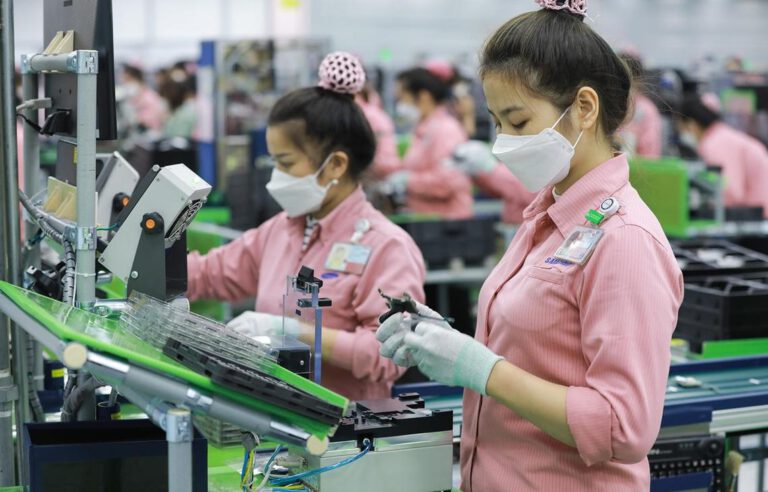
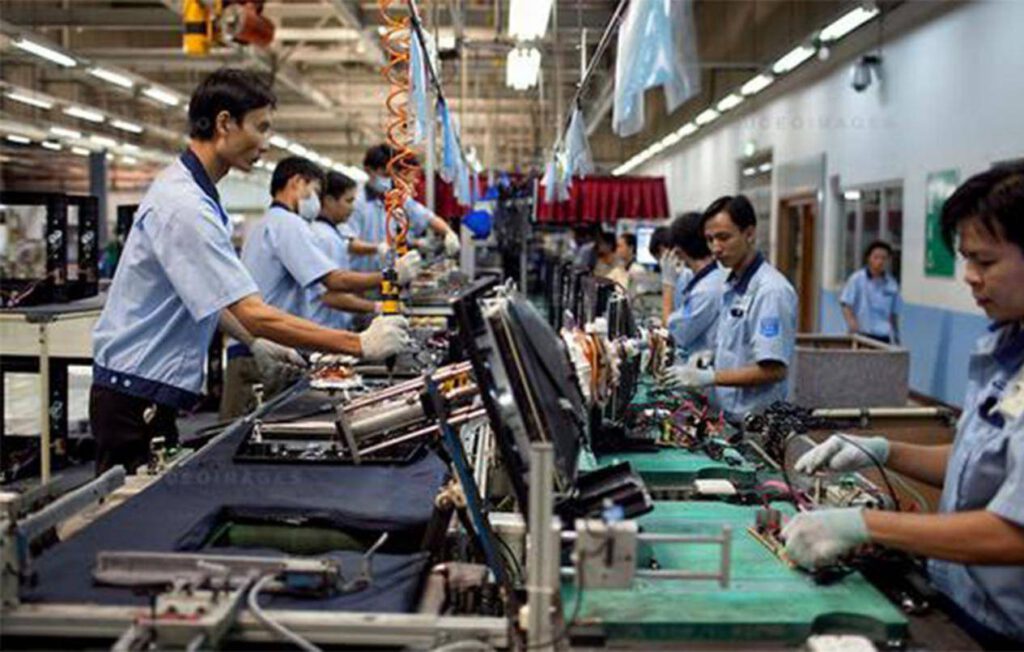
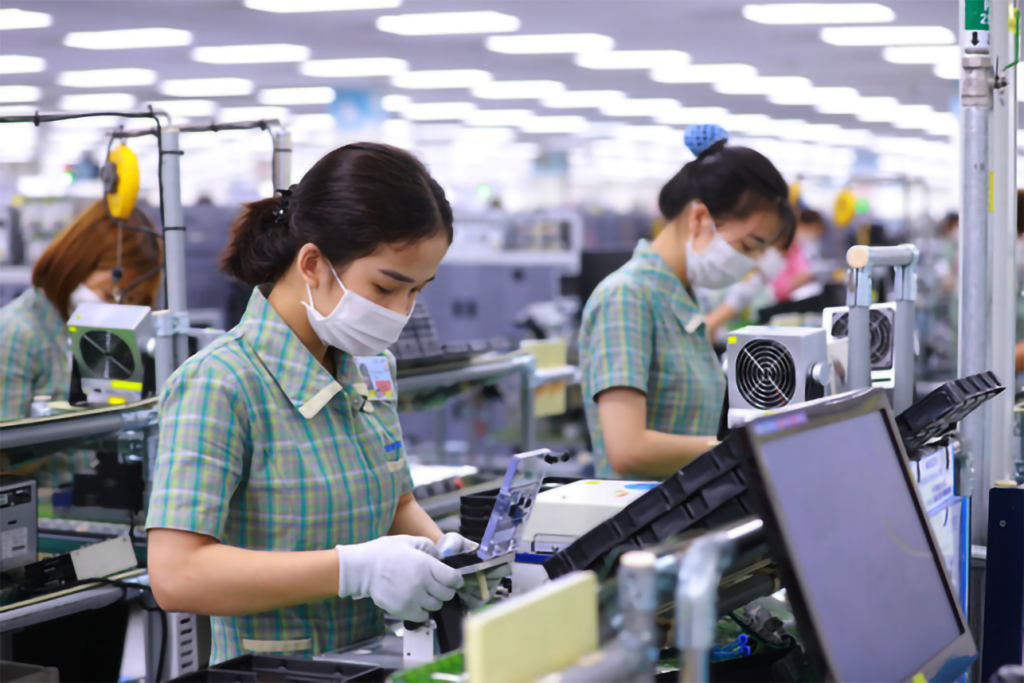
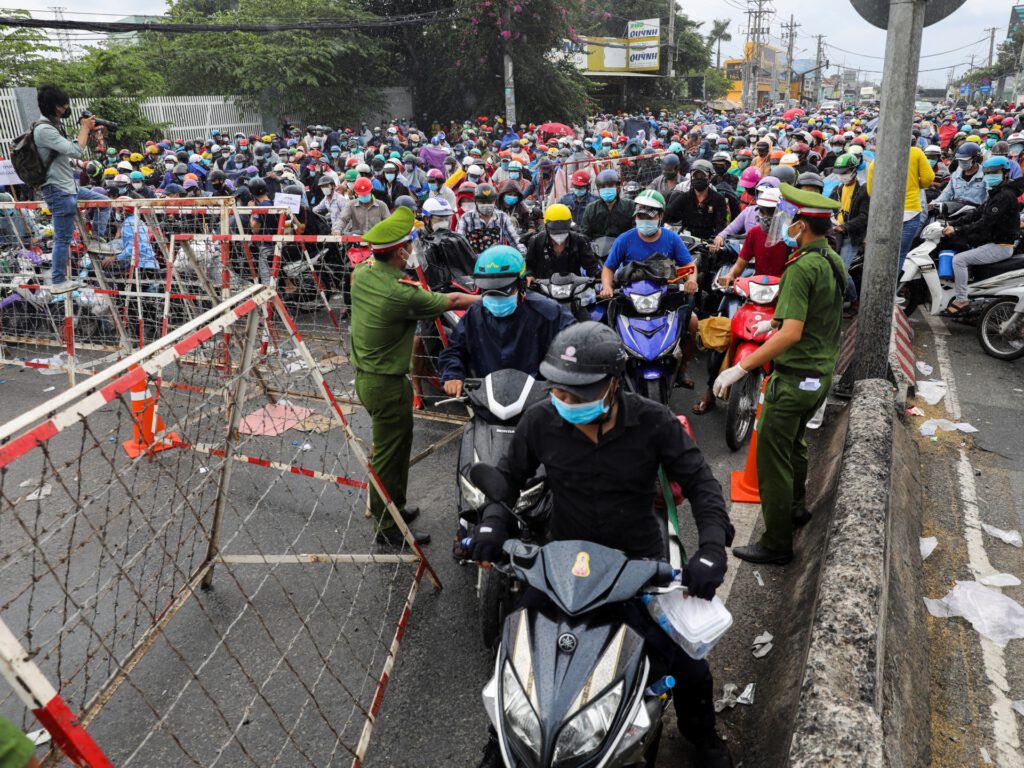
Beispielsweise stammen rund 70 % der aus Vietnam in die USA exportierten Produkte aus China, was zu einem deutlichen Anstieg des Handelsvolumens “Made in Vietnam” führt, der in erster Linie auf den Anstieg der Exporte aus China zurückzuführen ist.
Ein ähnliches Szenario spielt sich in Mexiko ab, wohin viele chinesische Hersteller ihre Produktion verlagert haben, um von Mexikos Mitgliedschaft im Nordamerikanischen Freihandelsabkommen und den niedrigen Zöllen für Exporte in die USA zu profitieren. Infolgedessen haben sich sowohl Chinas Handelsüberschuss mit Mexiko als auch Mexikos Handelsüberschuss mit den USA vergrößert, was letztlich zu einem Handelsdefizit der USA mit verschiedenen Ländern geführt hat.
China war in vier aufeinander folgenden Jahren der wichtigste Handelspartner der ASEAN-Länder und exportiert in die ASEAN-Länder vor allem elektromechanische und audiovisuelle Geräte (37,5 % des Gesamtvolumens), unedle Metalle, Textilrohstoffe und chemische Erzeugnisse. Diese Dynamik wird sowohl von marktbezogenen als auch von nicht-marktbezogenen Faktoren beeinflusst. Bei den marktbezogenen Faktoren handelt es sich in erster Linie um Verschiebungen bei den komparativen Vorteilen, wie z.B. die niedrigeren Land- und Arbeitskosten in der ASEAN-Region im Vergleich zu China.
Nichtmarktbezogene Faktoren, insbesondere geopolitische Faktoren, spielen ebenfalls eine wichtige Rolle. Der Druck der USA, Zulieferbetriebe auszulagern, Zölle auf chinesische Waren zu erheben oder Direktimporte aus China zu verbieten, hat einige chinesische Unternehmen zur Anpassung gezwungen. So haben beispielsweise die Beschränkungen für Baumwolle aus Xinjiang wegen angeblicher Menschenrechtsverletzungen Lieferketten unterbrochen und Branchen wie die Artillerieproduktion in Mitleidenschaft gezogen. Einige chinesische Unternehmen, die auf dem US-amerikanischen und europäischen Markt stark vertreten sind, verlagern als Reaktion auf die geopolitischen Konflikte nicht nur aus wirtschaftlichen Erwägungen, sondern auch aufgrund politischen Drucks zögerlich einen Teil ihrer Produktion in süd- und südostasiatische Länder.
Der Arbeitsbericht der Regierung unterstreicht die Bedeutung der Förderung eines stabilen Wachstums und der Optimierung der Außenhandelsstruktur und hebt den Export von Elektrofahrzeugen, Lithiumbatterien und Photovoltaikprodukten hervor. Diese Sektoren sind stark gewachsen und stellen strategische Industrien mit hoher Wertschöpfung dar, die auf grüne und kohlenstoffarme Trends ausgerichtet sind.
Trotz des Erfolgs wurden Bedenken hinsichtlich Überinvestitionen und Überkapazitäten in diesen Bereichen geäußert, wie sie in aufstrebenden Industrien häufig auftreten. Ähnliche Probleme traten während des Aufstiegs der Internetbranche in den USA auf, wo der Wettbewerb auf dem Markt zu Unternehmenskonsolidierungen und -zusammenschlüssen führte.
Der chinesische Elektrofahrzeug-Sektor steht vor ähnlichen Umwälzungen, wobei staatliche Subventionen und Unternehmensinvestitionen das anfängliche Wachstum antreiben. Mit zunehmendem Wettbewerb und der Reifung des Marktes werden einige Unternehmen möglicherweise ausscheiden oder sich konsolidieren, was letztlich zu einem Gleichgewicht zwischen Angebot und Nachfrage und zu nachhaltiger Rentabilität führen wird.
Das Aufkommen der “neuen Produktivität” deutet auf einen Trend hin, digitale Technologien wie künstliche Intelligenz mit neuen Maschinen und Anlagen zu kombinieren, um innovative Produkte und Dienstleistungen zu entwickeln. Solche Unternehmungen sind zwar vielversprechend, bergen aber auch Risiken, wie Unsicherheiten bei der Vermarktung und Investitionsverluste, mit denen sich die Regierungen auseinandersetzen müssen.
Um Innovationen zu fördern, sollte sich China auf die Unterstützung erfindungsreicher kleiner Unternehmen konzentrieren, die in der Lage sind, technologische Fortschritte zu erzielen. Diese Unternehmen werden häufig zu Übernahmezielen für größere Hersteller, was zu einer breiteren Anwendung und höheren Gewinnen führt.
Das externe Marktumfeld wird durch geopolitische Spannungen und Handelsprotektionismus noch komplizierter, wie die kürzlich von der Europäischen Kommission verhängten Einfuhrbeschränkungen für Elektrofahrzeuge aus China zeigen. Verhandlungen zwischen Regierungen und internationalen Organisationen wie der WTO werden eine entscheidende Rolle bei der Wahrung der Handelsinteressen inmitten der sich entwickelnden geopolitischen Dynamik spielen.
Die abnehmende Abhängigkeit Chinas vom Außenhandel spiegelt den Übergang zu einem ausgewogeneren Entwicklungsmodell wider, das die Abhängigkeit von externen Märkten verringert. Die Aufrechterhaltung des Wirtschaftswachstums erfordert jedoch die Mobilisierung sowohl inländischer als auch ausländischer Märkte, die Betonung der Produktqualität und die Entwicklung von Verbrauchermärkten in Entwicklungsländern.
In dem Maße, in dem sich China von einem Erstausrüster (OEM) zu einem globalen Standardsetzer entwickelt, können die Bedenken westlicher Länder gegenüber Chinas technologischem Fortschritt zu Einschränkungen führen. Nichtsdestotrotz werden Chinas Engagement für Innovation und sein Festhalten an seinem technologischen Kurs letztlich dazu führen, dass chinesische Standards und Marken eine dominierende Rolle auf den Weltmärkten spielen werden.
Im Gegensatz zu Russland ist China aufgrund seiner robusten Kapazitäten in der Lage, sich schnell an die von ausländischen Unternehmen hinterlassenen Marktlücken anzupassen und die Stabilität seiner Industrie- und Lieferketten zu gewährleisten. Die Ermutigung chinesischer Privatunternehmen, diese Lücken zu füllen, und der Schutz ihrer Produktionskapazitäten sind entscheidend für ein nachhaltiges Wachstum.
Während sowohl China als auch Russland mit dem Abzug ausländischen Kapitals konfrontiert sind, bieten Chinas umfangreiche Devisenreserven einen Puffer gegen solche Risiken und sorgen für Stabilität inmitten sich verändernder Marktbedingungen.
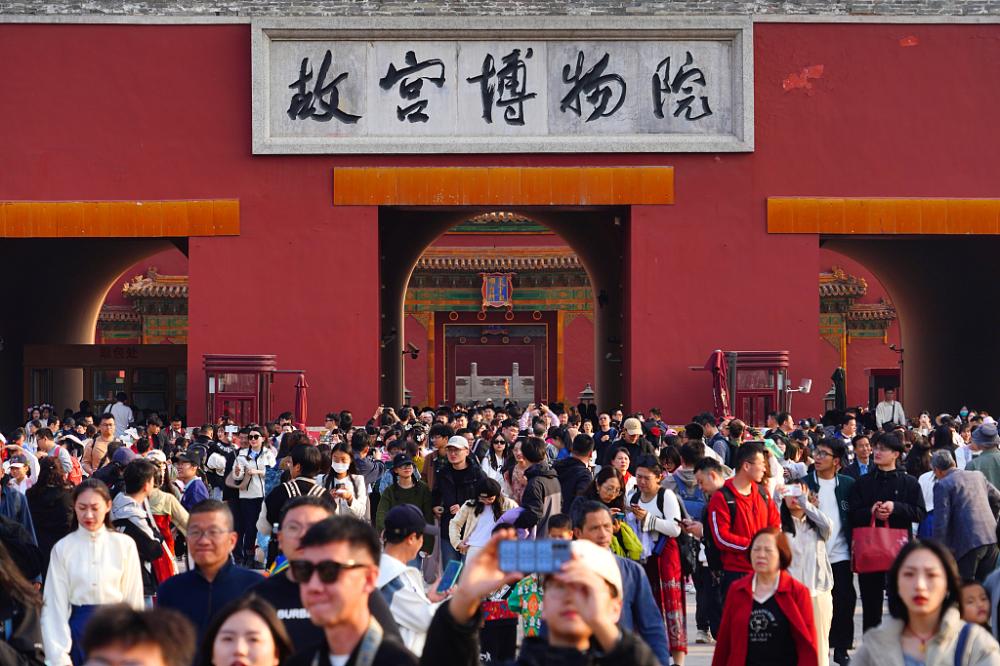
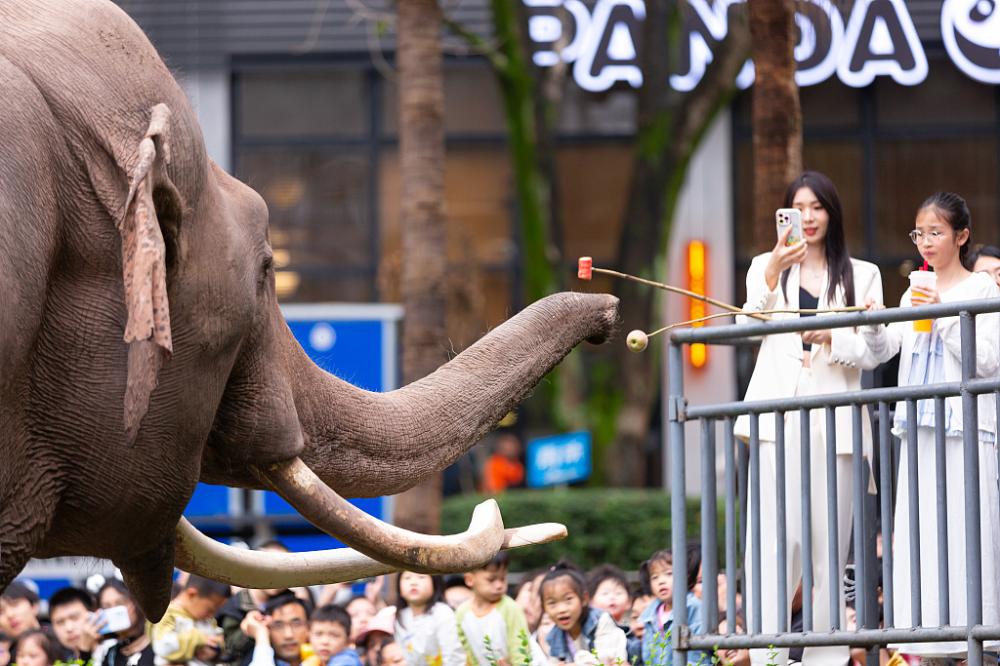
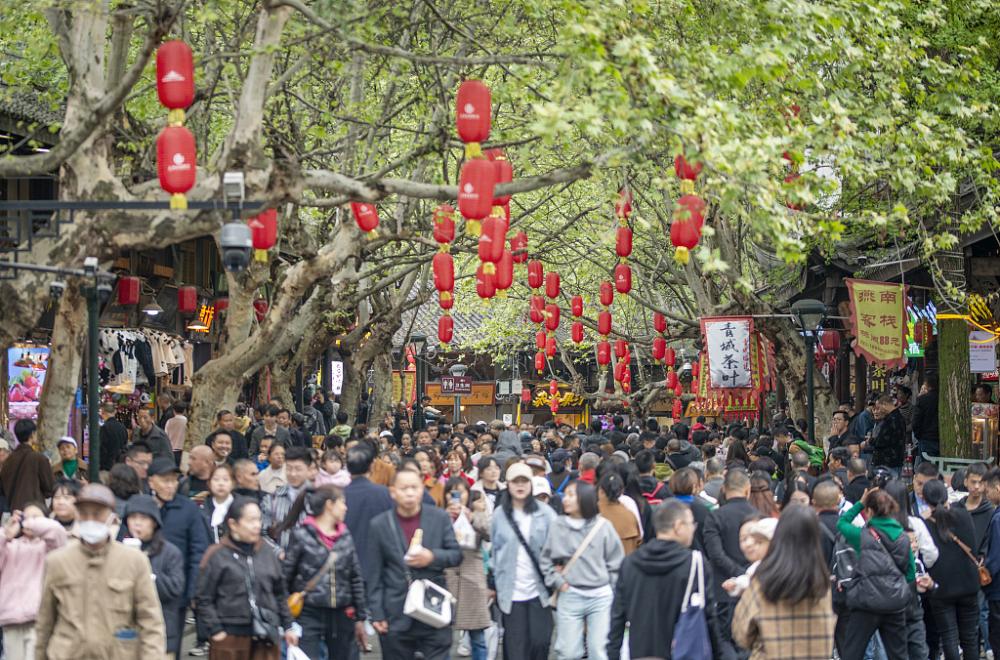
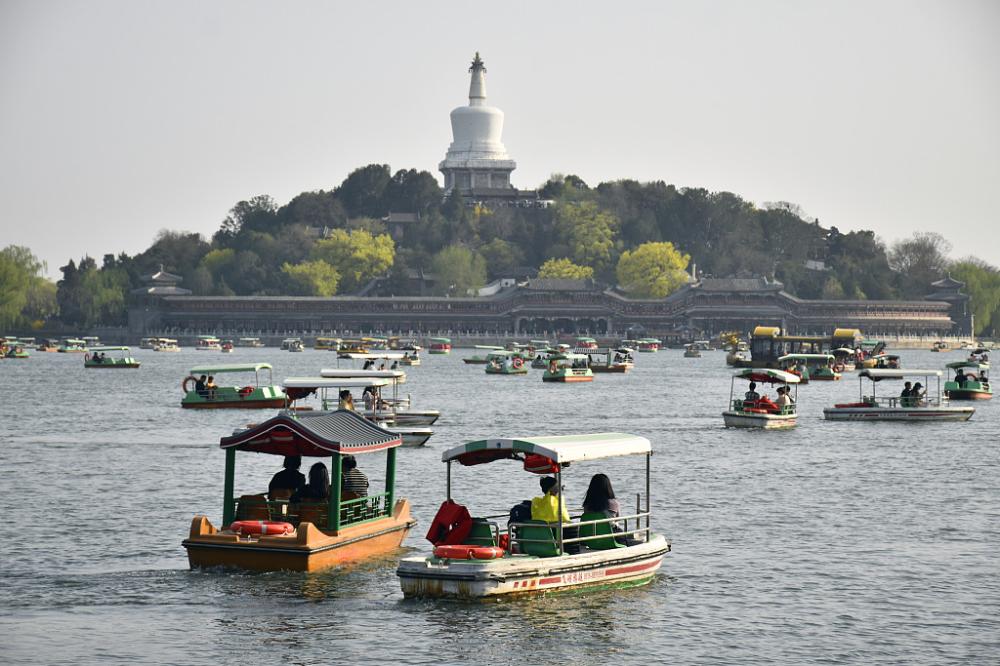
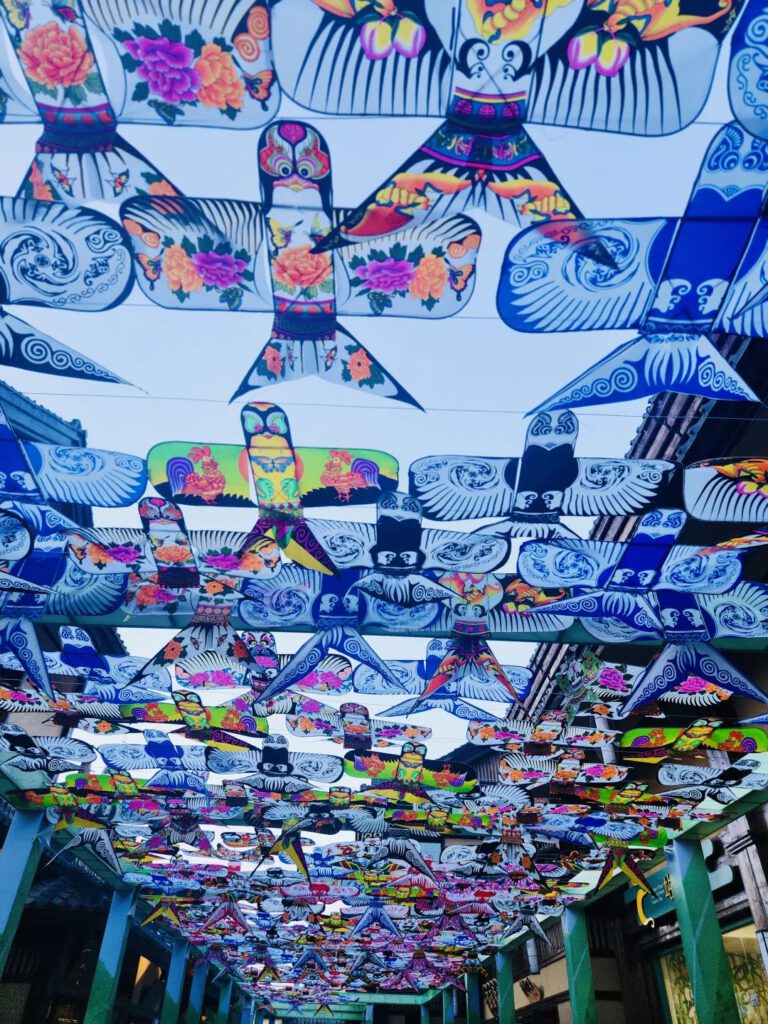
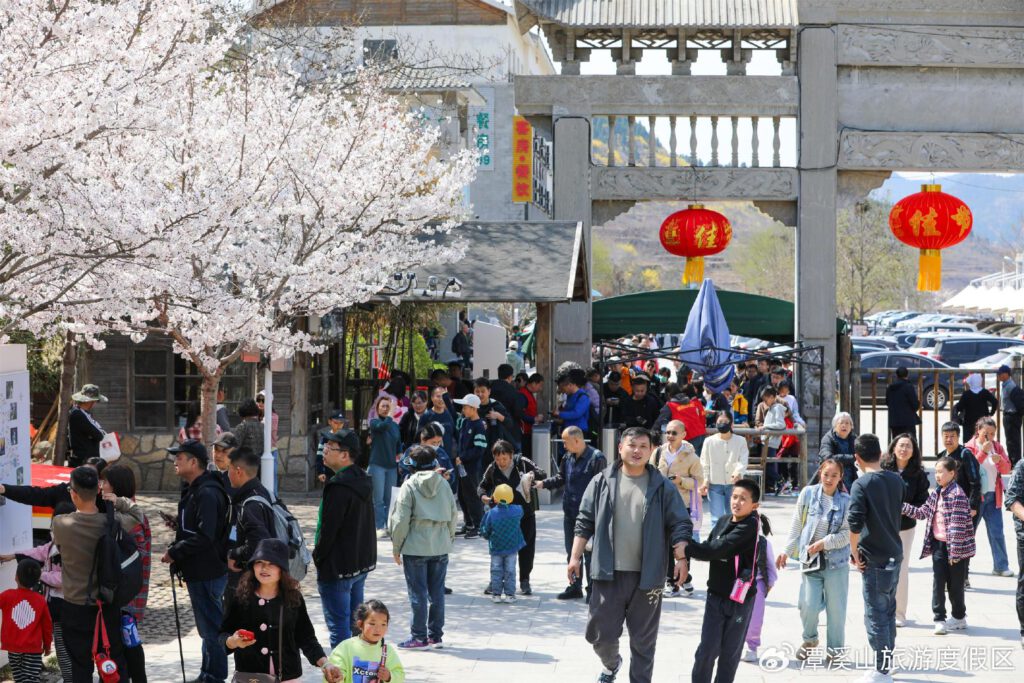
Aktuellen Statistiken des chinesischen Ministeriums für Kultur und Tourismus zufolge betrug die Zahl der inländischen Touristen während des dreitägigen Qingming-Fests 119 Millionen, was einem Anstieg von 11,5 Prozent im Vergleich zum Jahr 2019 entspricht. Chinesische Touristen zeigen einen zunehmend diversifizierten Trend in ihren Reisezielen.
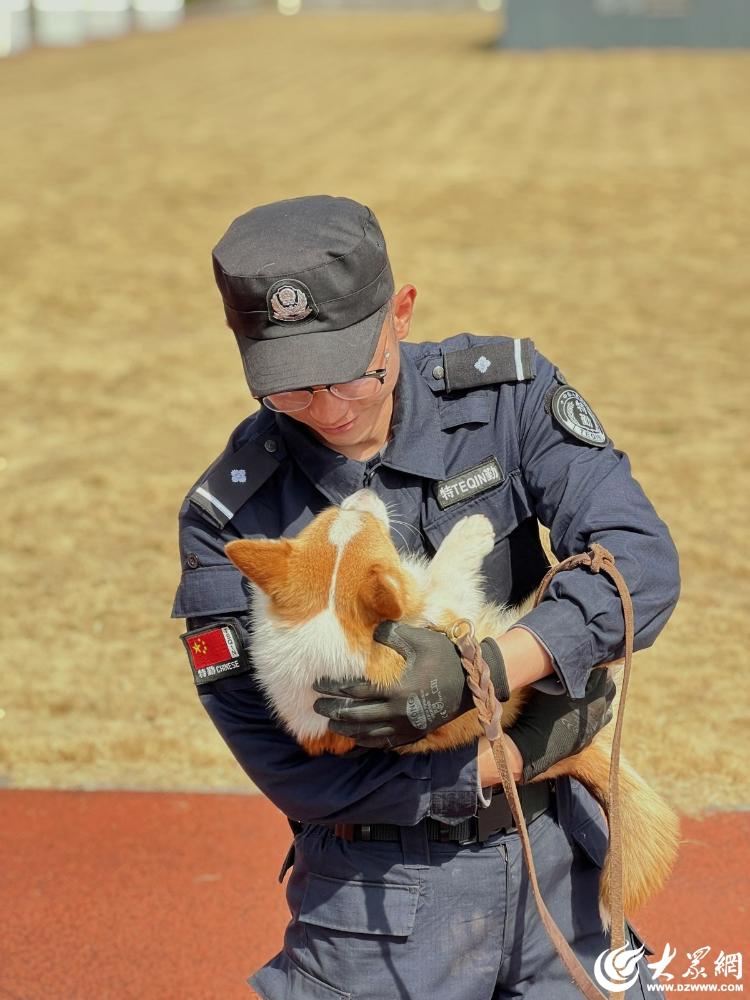
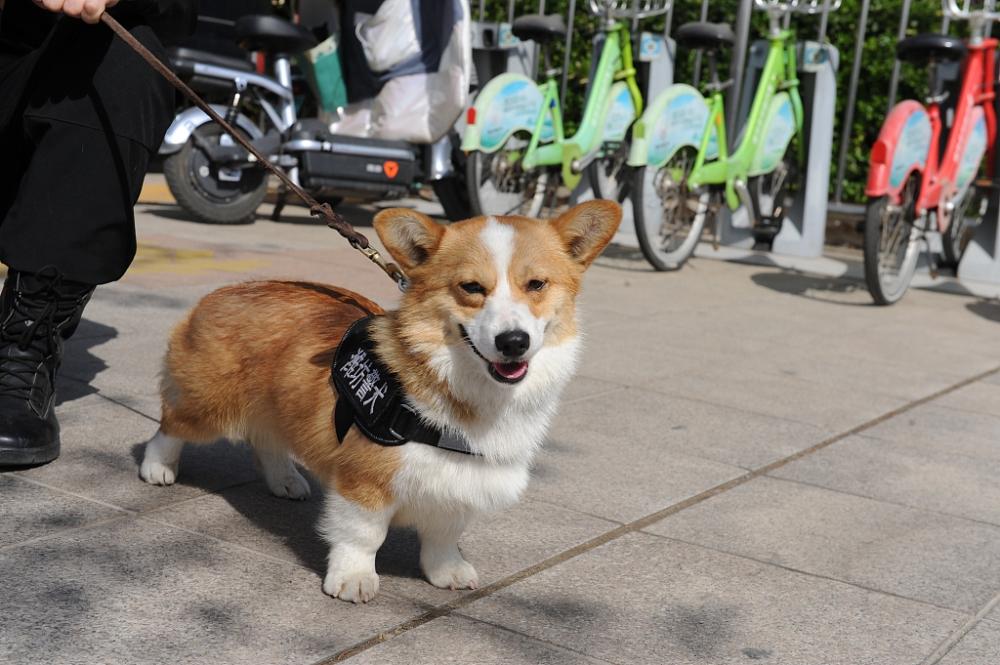
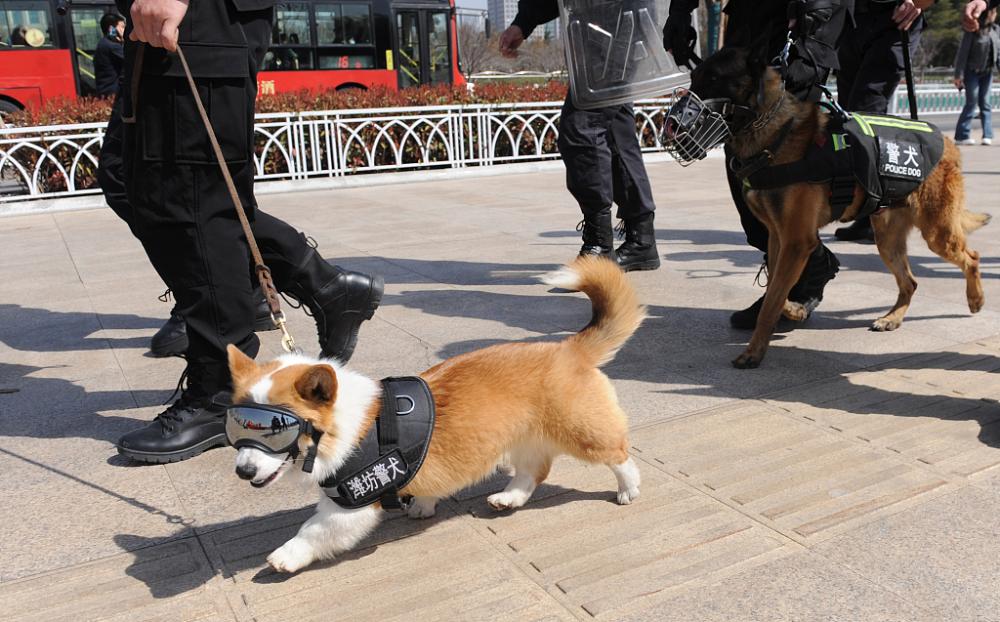
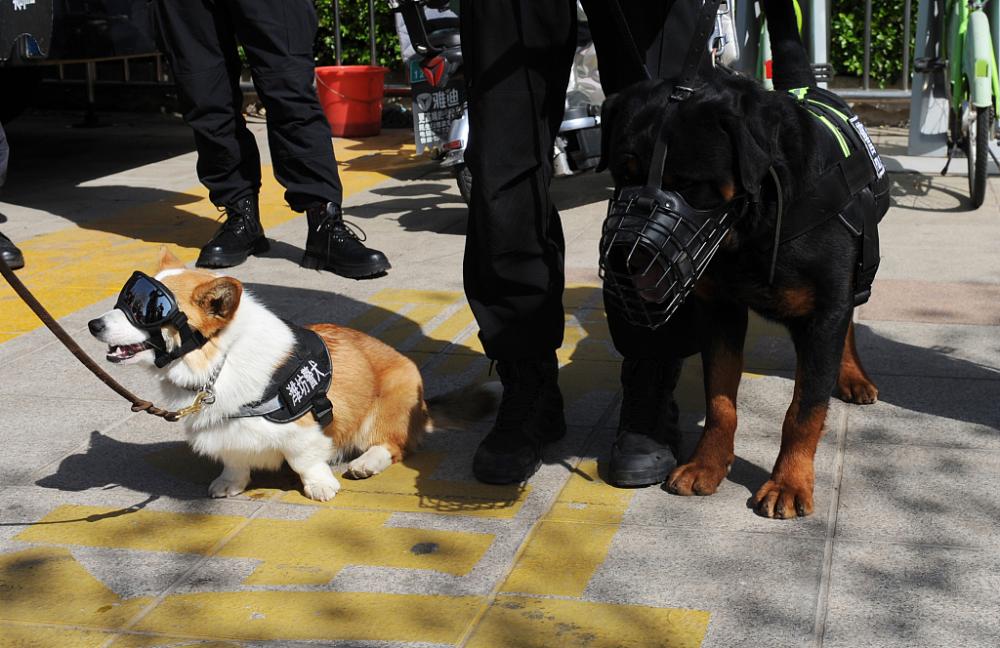
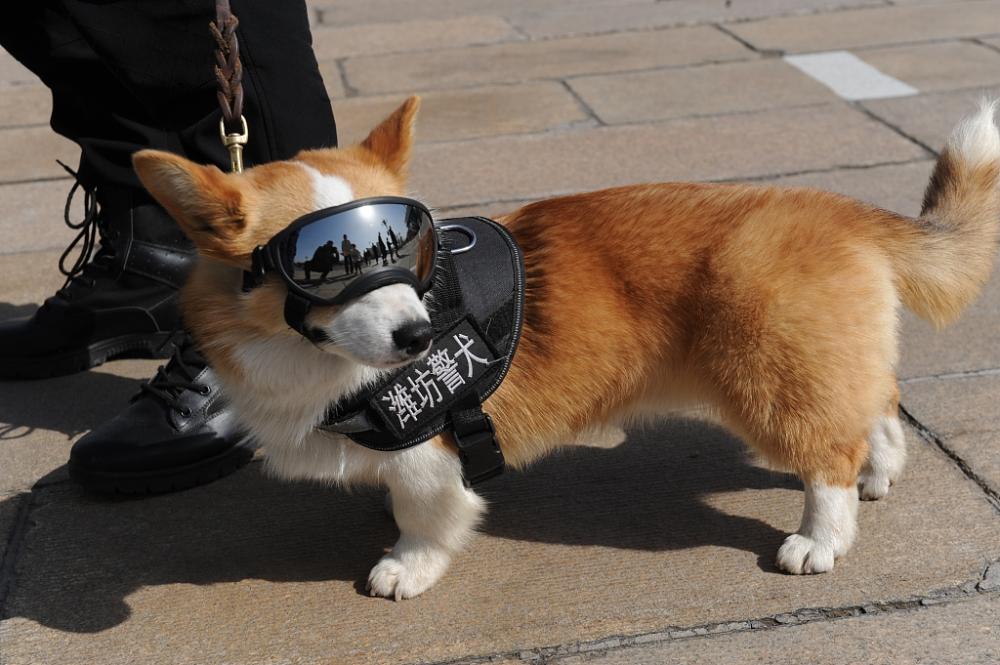
Der Corgi Fuzai, der als Polizeihund in der Reserve dient, wurde vor Kurzem von der Polizei in der ostchinesischen Stadt Weifang beim Tag der offenen Tür vorgestellt. Mit Stummelbeinchen und freundlichem Grinsen hat es nicht lange gedauert, bis Fuzai, dessen Name in etwa „Glücklicher Junge“ bedeutet, zum beliebtesten Polizeihund des Landes aufgestiegen ist. Die niedrige Höhe Fuzais ist bei seiner Arbeit nicht hinderlich, sondern verschafft ihm gegenüber anderen Vierbeinern einen Vorteil, vor allem dann, wenn es räumlich eng wird.
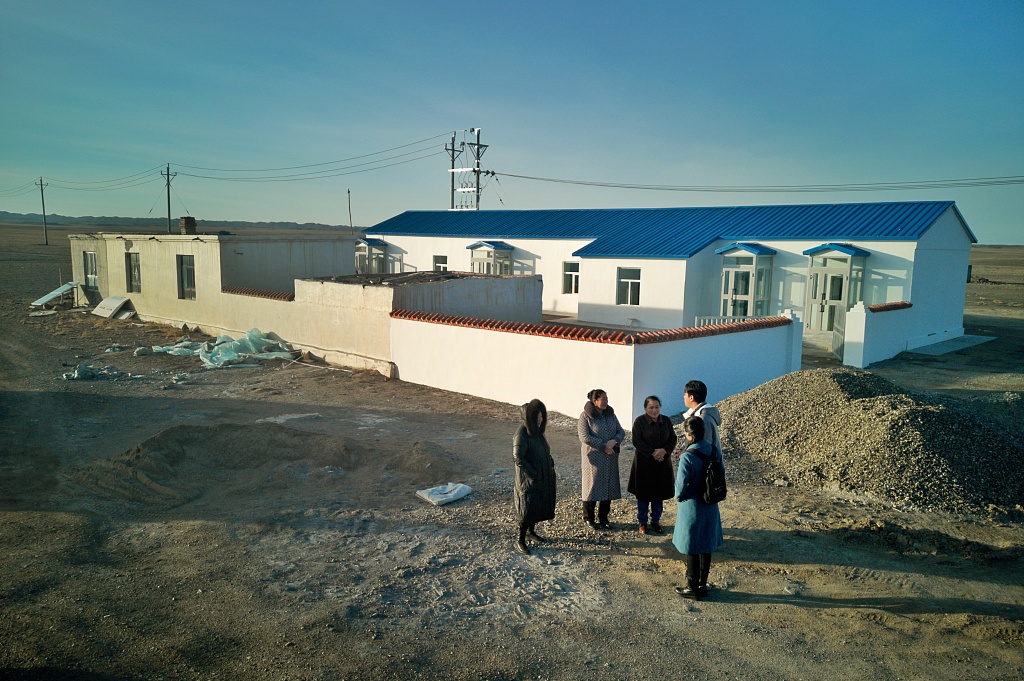
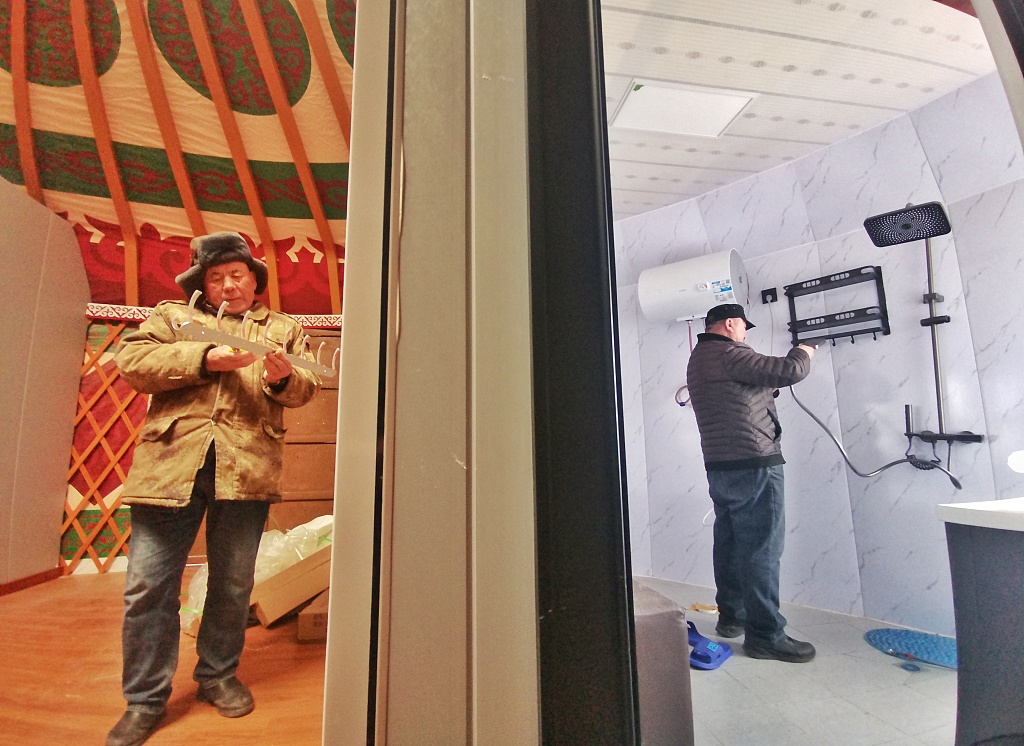
Während ein beißender Wind über eine abgelegene Weide weht und der Frost den Boden bedeckt, trinken die Hirten heißen Milchtee in Häusern, in denen es so warm ist wie im Frühling. Die Hirten in dem Bezirk Altay im Uigurischen Autonomen Gebiet Xinjiang haben sich von ihren Stein- oder Grashäusern verabschiedet und nagelneue „öffentliche“ Häuser, sogenannte „glückliche Stationen“, erhalten, damit sie während ihrer Arbeit im Freien bei schlechtem Wetter, extremer Kälte oder Erschöpfung einen Ort zum Ausruhen, Aufwärmen und Unterstellen haben.
Der 52-jährige Hairat Lehul kommt aus dem Bezirk Qinghe. Er sucht häufig eine „glückliche Station“ auf, um zu essen oder zu duschen. „Wenn ich spät in der Nacht ankomme, schlafe ich dort“, sagte er. Die Arbeiter in den Stationen böten auch Futtergras sowie Dinge des täglichen Bedarfs an. Die Ärzte in den Stationen überprüften einmal im Monat seinen Gesundheitszustand und Tierärzte würden bei der Bekämpfung von Viehseuchen helfen. „Ich bin mit der Umgebung und den Dienstleistungen zufrieden. Die Station bietet eine Menge Annehmlichkeiten“, erklärte er.
Seit 2017 hat Altay mehr als 36,5 Millionen Yuan RMB (circa 5,07 Millionen US-Dollar) für den Bau von 164 „glücklichen Stationen“ entlang der Routen zwischen den Weiden ausgegeben. Nach Angaben der lokalen Behörden haben rund 50.000 Menschen davon profitiert. Zu den festen Stationen gehören ein Leseraum, ein medizinischer Behandlungsraum, ein Tierarztzimmer, eine Kantine und ein Schlafraum. Außerdem sind mobile Stationen für Vieh und Vorräte eingerichtet. Die örtliche Regierung hat an den Stationen Brunnen gegraben und Solarzellen liefern Strom. Außerdem wurden weitere Signaltürme gebaut.
Erlan Salamhan, Leiter der Abteilung für Tierhaltung im Amt für Landwirtschaft und ländliche Angelegenheiten in Altay, sagte: „Früher lebten die Hirten während der Umsiedlung in Steinhäusern oder Filzzelten. Für den Alltag waren diese in der Regel ausreichend, aber bei extremen winterlichen Witterungsbedingungen stellten sie ein Sicherheitsrisiko dar.“ Die glücklichen Stationen böten Unterkünfte und Heizmöglichkeiten und seien mit Kohlenmonoxiddetektoren ausgestattet, was die Bedingungen für die Hirten während der Umsiedlung verbessere.
Einige der Stationen liegen an Straßen, die zu Sehenswürdigkeiten führen. In den Jahreszeiten, in denen die Hirten die Stationen weniger häufig nutzen, sind sie für die Öffentlichkeit zugänglich, empfangen Besucher und veranstalten Aktivitäten.
Altay hat außerdem 110 Millionen Yuan RMB für den Bau von 523 Häusern sowie 466 Ställen für Hirten ausgegeben. Der 55-jährige Hatax Sabdulla zog kostenlos in ein neues Haus auf einer Winterweide. Er erzählte: „Wenn ich früher auf die Winterweide ging, lebte ich in einem einfachen Filzzelt. Es war im Winter besonders kalt und nicht sicher, vor allem bei extremen Wetterbedingungen wurde es unbewohnbar.“ Das neue Haus verfügt über alle Einrichtungen, die die Familie braucht, darunter eine Feuerstelle, ein Holzbett und elektrische Leitungen. „Es ist warm, aufgeräumt und sicher. Wir müssen nur unsere Bettdecken und Schüsseln mitbringen, was für uns sehr praktisch ist“, sagte er. Außerdem gibt es dort einen geschlossenen Korral und einen Außenhof. „Tagsüber können wir unsere Tiere grasen lassen und wenn wir nachts zurückkommen, können wir sie im Pferch sichern. Anders als früher müssen wir uns keine Sorgen über Wölfe oder die Kälte machen“, erklärte er weiter. Die Familie lebe im Winter fünf Monate lang in dem Haus.
Erlan sagte, die neue Infrastruktur ziele darauf ab, die Produktions- und Lebensbedingungen in den Weidegebieten zu verbessern und die öffentlichen Dienstleistungen im Bereich der Viehzucht auszubauen.
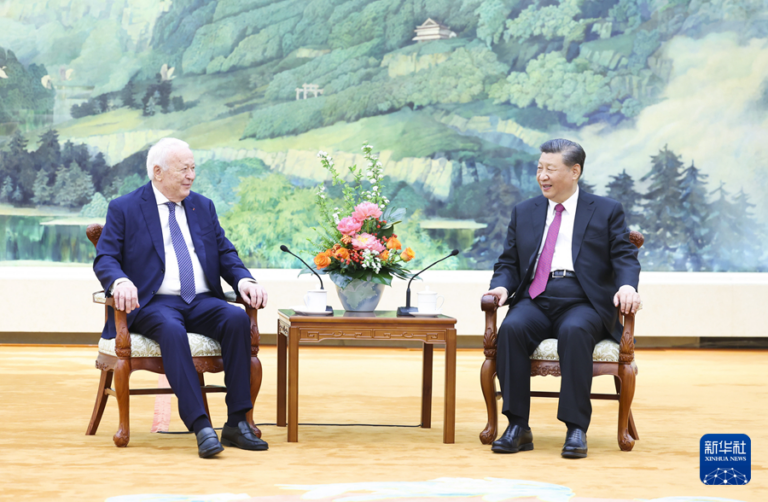
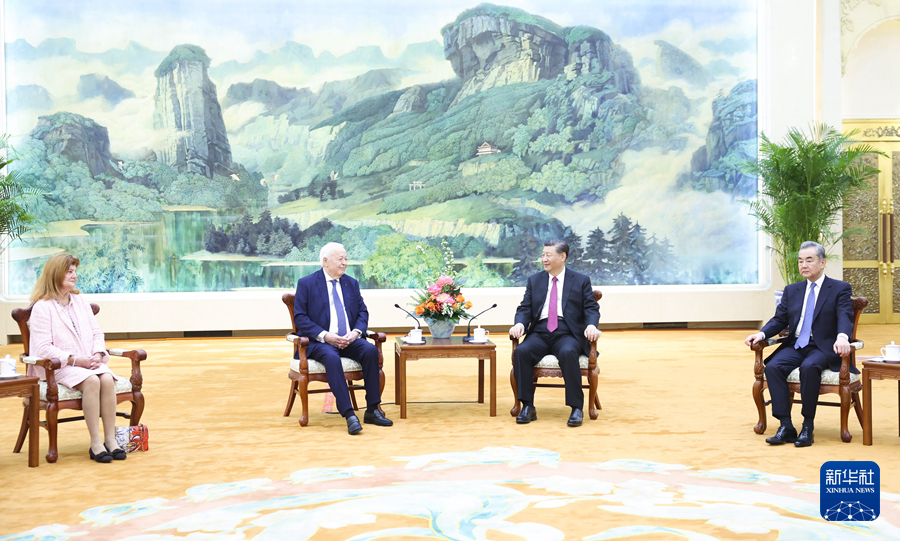
Der chinesische Staatspräsident Xi Jinping hat sich am Montag in der Großen Halle des Volkes in Beijing mit dem Präsidenten der Stiftung Mérieux, Alain Mérieux, und dessen Frau getroffen.
Xi Jinping dankte dem Ehepaar Mérieux und der Stiftung Mérieux für ihre langjährige Fürsorge und Unterstützung für die Entwicklung der chinesisch-französischen Beziehungen sowie die Gesundheitsversorgung Chinas.
Xi sagte, China trete immer für Frieden und nicht für Krieg ein. Es fordere ein Ende aller Kriege und die Förderung des Friedens sowie den Aufbau einer Gemeinschaft der Menschheit mit geteilter Zukunft.
In den vergangenen 60 Jahren, seit der Aufnahme der diplomatischen Beziehungen zwischen China und Frankreich, habe eine Generation nach der anderen die chinesisch-französischen Beziehungen übernommen und weiterentwickelt. Die Freundschaft zwischen den beiden Ländern sei im Laufe der Zeit immer enger geworden. China schätze die Freundschaft zwischen China und Frankreich und sei bereit, den Austausch auf hoher Ebene mit der französischen Seite weiter zu verstärken, die Zusammenarbeit zu intensivieren und die bilateralen Beziehungen auf eine höhere Ebene zu bringen. China und Frankreich führten seit langem eine Reihe von Kooperationen im Gesundheitsbereich durch und hätten dabei fruchtbare Ergebnisse erzielt. Er begrüße die weitere Vertiefung der Zusammenarbeit zwischen der Stiftung Mérieux und China, so Xi Jinping.
Alain Mérieux erwiderte, er habe im Laufe der Jahre die Entwicklung und den Fortschritt Chinas aufmerksam verfolgt und bewundert. Die Stiftung Mérieux werde die französisch-chinesische Freundschaft und Zusammenarbeit im Bereich der Gesundheit und Wohltätigkeit weiterhin aktiv fördern.
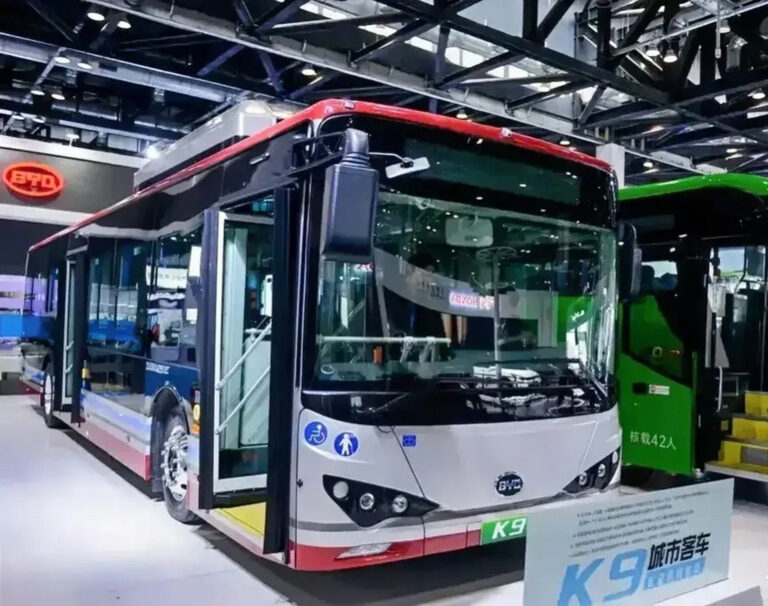
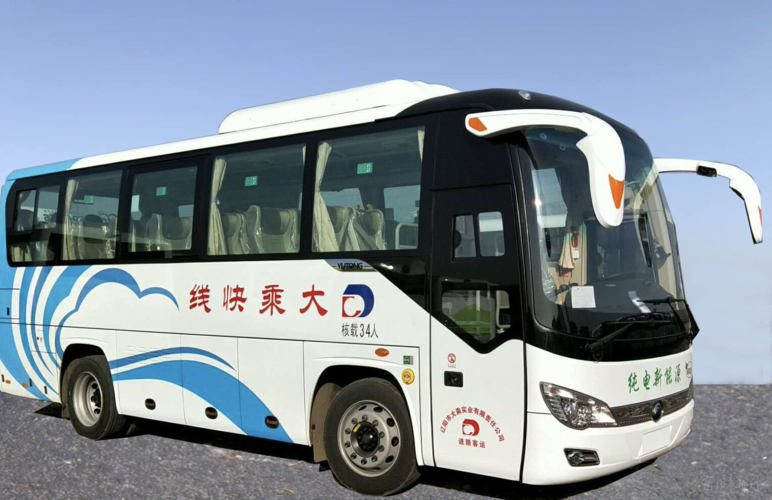
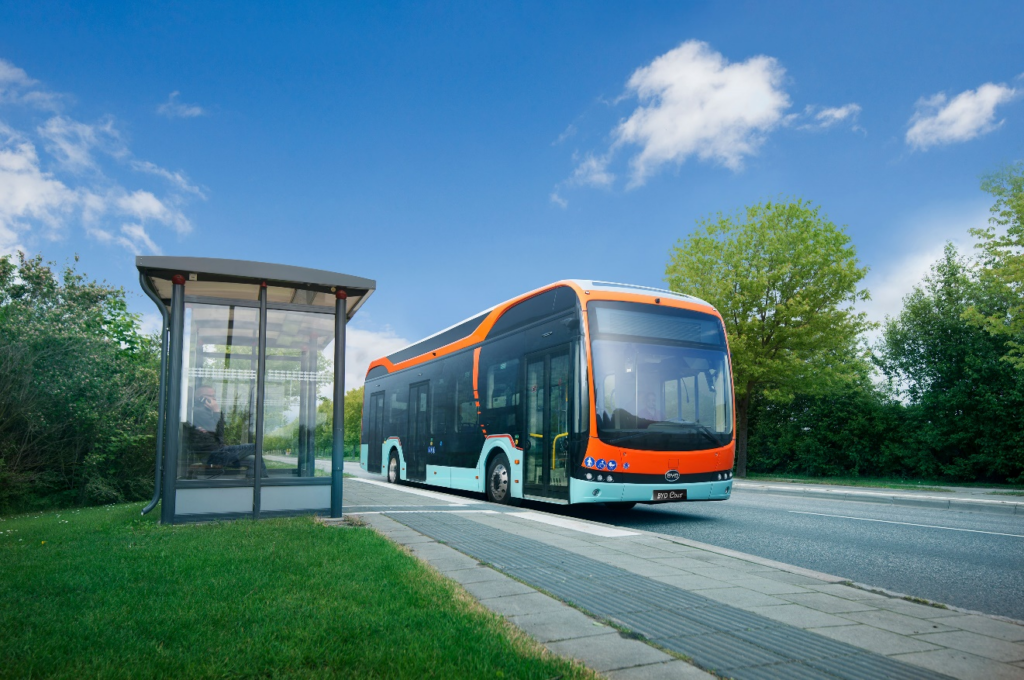
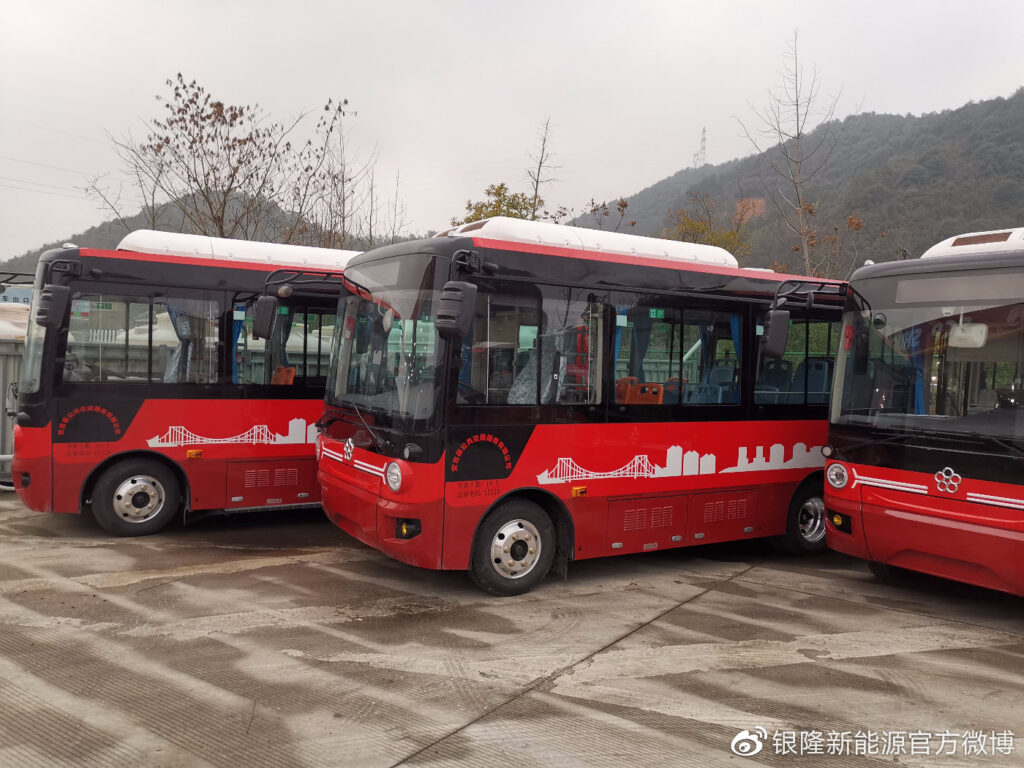
Brandneue Elektrobusse fahren auf den sauberen Straßen von Xining und werten den Stadtverkehr der alten Stadt auf der Qinghai-Tibet-Hochebene auf.
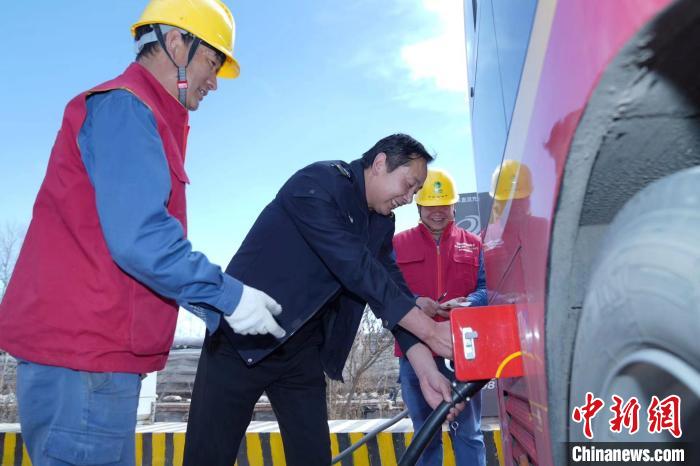
Der Fahrer der Buslinie 922, Lin Fude, erklärt, während er seinen Bus auflädt: „Unsere Bus-Station mit zwölf Fahrzeugen befördert pro Tag mehr als 2.000 Personen, hauptsächlich Dorfbewohner, die zur Arbeit nach Xining fahren sowie Studenten und ältere Menschen. Die neuen Busse fahren reibungslos und leise und es gibt keinen unangenehmen Benzingeruch. Man fühlt sich viel wohler.“
Die Busse der Nummer 922 fahren täglich von der Gemeinde Lijiashan ab und in den Bezirk Chengbei in Xining. Die gesamte Strecke ist 25 Kilometer lang und die Fahrt dauert etwa 1,5 Stunden. Mit der kontinuierlichen Beschleunigung der Urbanisierung beginnen immer mehr Dorfbewohner in der Gemeinde Lijiashan, auf dem Land zu leben und in der Stadt zu arbeiten .
Beim Betrieb von E-Bussen ist das Wichtigste die Lösung des Ladeproblems. Es wurde erfolgreich eine Ladestation mit vier Ladesäulen und 16 Ladepistolen, die 16 Busse gleichzeitig aufladen kann, fertiggestellt und in der Gemeinde Lijiashan in Betrieb genommen.
Die Busse der Linie 922 wurden Anfang 2024 durch E-Busse ersetzt, die den Bedürfnissen der arbeitenden Dorfbewohner, der zur Schule gehenden Schüler und der täglichen Pendler gerecht werden und von den Dorfbewohnern gut angenommen werden.
Ende 2023 kaufte der Dorfbewohner Ji Guohu in der Gemeinde Lijiashan ein neues E-Auto und plant, sein Einkommen durch Taxi-Service in seiner Freizeit zu erhöhen. Das lokale Stromversorgungsunternehmen installierte eine Ladesäule für Ji Guohu und schloss die Stromversorgung an.
Dafür musste Ji Guohu keinen Cent ausgeben und er ist sehr zufrieden. „Ich kann 400 Kilometer bis 500 Kilometer mit einer einzigen Ladung fahren. Die Kosten für einen Kilometer sind sehr günstig und ich kann mehr als 200 Yuan RMB pro Tag verdienen.“
In Xining gibt es viele Menschen wie Ji Guohu, die mit neuen Energien betriebene Fahrzeuge (NEV) kaufen und die Nachfrage nach Ladesäulen für zu Hause steigt ebenfalls. Immer mehr NEV erobern die chinesischen Hochebenen.